11 High-Protein Vegetables, Ranked by Grams Per Serving

If you view veggies as a necessary evil, you may as well eat the ones that help build muscle.
Here’s how you shouldn’t connect with your inner child: avoiding vegetables. Even as an adult, it’s common to view veggies as a necessary evil. If you’ve been neglecting your greens and feeling guilty about it, a simple reframe can go a long way. High protein vegetables exist, and there are more of them than you think.
You need to eat vegetables — you might as well go for the ones that help you reach your macro goals. Here are some of the best high-protein vegetables, and how to mix them into your diet. Pair any of these with a protein anchor and you’ve got the base of a solid high-protein lunch.
TL;DR
Vegetables aren’t protein powerhouses next to meat or beans, but a few punch above their weight. Edamame leads by a wide margin (about 18g per cooked cup), with green peas and spinach among the higher-protein vegetables worth consuming. Most deliver modest protein, so they work best as boosters.
Key Takeaways
- Vegetables aren’t usually considered protein sources, but you need to eat them daily.
- High protein vegetables deliver more protein per calorie than you’d expect.
- Edamame leads the pack, but spinach and peas are sneaky standouts.
- Adding the right veggies to your daily diet can help get you over the protein finish line.
The Highest-Protein Vegetables, Ranked
These are 11 of the highest-protein vegetables out there, ranked by protein content per 100-gram serving. We’ll convert that into a real-world portion you can understand and provide some preparation advice too.
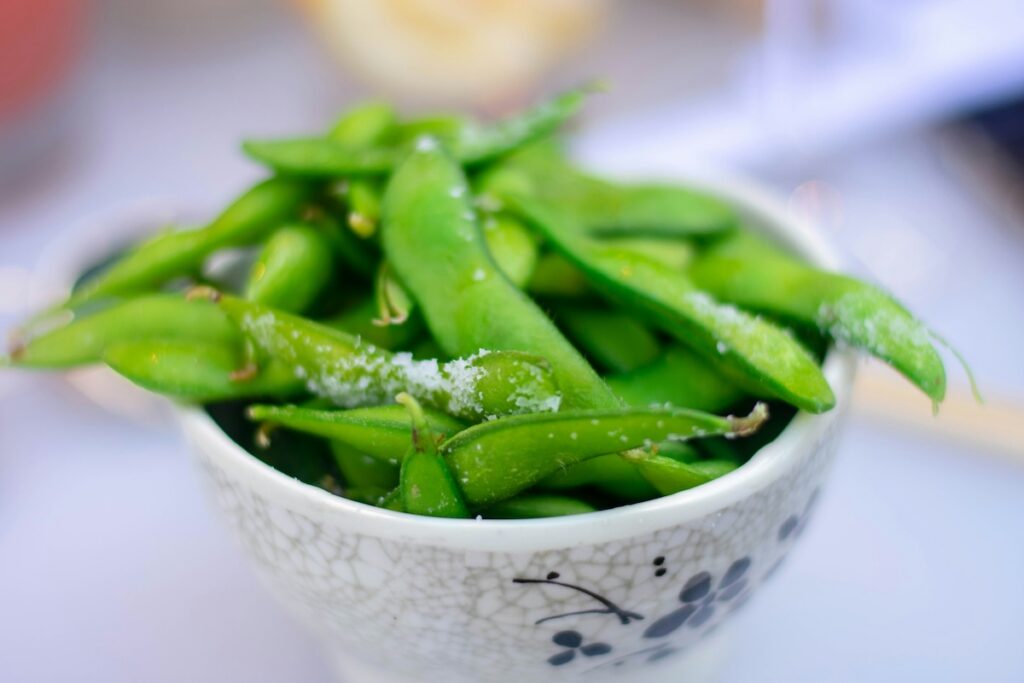
1. Edamame (100g): 11.9g protein | 1-cup serving (155g): 18.4g protein
How to prepare: Boil or steam in water for about 5 minutes, then toss with salt and pepper.
Legumes (edamame and lima beans) lead the way here, but most people consider and consume them as veggies. For convenience’s sake, look for pre-shelled if possible, or you can eat them shelled as a between-meal snack (the pods aren’t edible, think of them like a Pez dispenser).
2. Lima beans (100g): 7.8g protein | 1-cup serving (188g): 14.7g protein
How to prepare: Boil or steam in water for 5-10 minutes. Mix with garlic, onion, bacon bits, or add to wild rice or a hash. Like edamame, lima beans are technically a legume rather than a vegetable, but they earn a spot for how much protein they pack.
3. Green peas (100g): 5.4g protein | 1-cup serving (160g): 8.6g protein
How to prepare: If frozen, microwave, steam, or thaw under hot water. Mix into pasta, rice, or a risotto. A bit of butter goes a long way toward elevating flavor.
4. Corn (100g): 3.4g protein | 1-cup serving (164g): 5.5g protein
How to prepare: Boil on the cob for 3–5 minutes, or char it straight on the grill for smokier flavor. For kernels, sauté fresh or frozen in a hot pan with butter. Season with salt, chili powder, or a squeeze of lime. (Corn is starchier than most picks here, so treat it as a carb that happens to bring protein along.)
5. Artichoke (100g): 3.3g protein | 1 medium serving (120g): 4.0g protein
How to prepare: Whole artichokes take a bit of work to prep. Trim the tops, snip any thorny bits, then steam or boil for 20 to 40 minutes. For practicality’s sake, look for canned or frozen artichoke hearts in the grocery store, and incorporate them into your favorite pasta.
6. Mushrooms (100g): 3.1g protein | 1-cup sliced (70g): 2.2g protein
How to prepare: Sauté sliced mushrooms in a dry, hot pan first to cook off their water, then add oil, garlic, and a pinch of salt. They shrink a lot, so start with more than you think you need. (Technically mushrooms are a fungus, not a vegetable — but nobody’s putting them in the fruit bowl.)
7. Spinach (100g): 2.97g protein | 1-cup serving (180g): 5.4g protein
How to prepare: Spinach is extremely versatile. You can use it as a salad base, raw, or pan saute with olive oil and garlic for 2 to 3 minutes at most. Mix into your preferred carbohydrate source.
8. Kale (100g): 2.9g protein | 1-cup chopped, cooked (130g): 3.8g protein
How to prepare: Strip the leaves off the tough stems, then massage raw kale with olive oil and lemon for a salad, or sauté with garlic until wilted. Roasting at 350 for about 10 minutes turns it into crispy chips.
9. Brussels sprouts (100g): 2.55g protein | 1-cup serving (156g): 4.0g protein
How to prepare: Chop into halves or quarters, then toss with olive oil in a bowl. Oven roast at 400 degrees for about 20 minutes, or chuck them in the air fryer. Season with just about anything.
10. Asparagus (100g): 2.4g protein | 1-cup serving (180g): 4.3g protein
How to prepare: Snap or cut the stems off, then roast in the oven at 400 degrees for 10-12 minutes. Grilling works too, but either way, don’t let them sit too long or they’ll go limp. Season with salt, pepper, garlic, onion powder, and/or red pepper flakes.
11. Broccoli (100g): 2.4g protein | 1-cup serving (156g): 3.7g protein
How to prepare: Avoid cooking broccoli too much if you want to preserve as many micronutrients as possible. Try roasting at 425 for 15-20 minutes or until the edges are slightly burnt.
It’s worth noting that certain preparation methods can forfeit some of a vegetable’s nutritional value. Any cooking technique involving water will dilute nutritional content slightly, but as long as your veggies aren’t coming out limp and soggy, it’s not really worth worrying about.
How to Get More Protein From Vegetables
When it comes to adding high protein vegetables into your diet, it pays to get sneaky about it, especially if you don’t enjoy veggies on their own (more common than you might think).
- Spinach works as a salad base. Adding dressing masks taste.
- Peas and lima beans blend nicely into wild rice dishes or a breakfast hash.
- Brussels sprouts can be prepared both savory and sweet.
- You can chop broccoli into very fine chunks and consume with minimal chewing.
Practical wisdom: Adding vegetables to your diet doesn’t have to mean sitting down to a big plate of green, flavorless stuff. Weave vegetables into your favorite meals and you’ll inject more protein and micronutrients into your diet without even noticing.
The harsh truth: High protein vegetables won’t get you to your daily protein target on their own. If you’re vegetarian or vegan, it’s a different story, but unrestricted eaters should still lean on meat, dairy, or supplements for protein content in bulk.
Frequently Asked Questions
Edamame has the most protein of any vegetable you can find in the supermarket at 18.4g per 1-cup serving. You can pop them out of their pods and eat raw as a snack, or steam and serve with salt and pepper.
Peas and edamame are not technically vegetables; they’re categorized as legumes. However, in real-world terms, most people consider and consume them as vegetables, so it’s really a distinction without a difference.
No, not from vegetables alone — most are modest protein sources. But plant-based eaters hit their targets easily with concentrated sources like beans, lentils, tofu, and tempeh. Think of vegetables as adding to that base, not carrying it.
Edamame, peas, beans, and spinach are higher-protein vegetables than you’d expect. These greens do not have nearly as much protein as meat or dairy by weight, but since you have to eat veggies anyway, it’s worth choosing ones that pack a bit more protein into every bite.
None do, ounce for ounce — even edamame (about 18g per cooked cup) trails chicken or beef. But edamame, green peas, and lima beans come closest, and per calorie, some vegetables beat what you’d expect. For matching meat’s protein, legumes and soy foods are the plant options that get there.
Bottom Line on High-Protein Vegetables
Everyone is rightfully obsessed with their protein intake these days, but it can feel daunting to hit a specific quota day in, day out. To some degree, high quantities of meat, dairy, or powders are unavoidable — but you can find protein in unexpected places if you know where to look. Eating your greens is non-negotiable, so you may as well go for high protein vegetables that help push you over the line. Edamame is the clear winner here, but even tossing some spinach in your pasta can give you a boost (and make for a great high-protein lunch).
Experts Who Contributed
- Jake Dickson BS-EXS, NASM-CPT, wrote this article.
- Lauren Keary, NASM-CNC, reviewed this article for accuracy.