What Happens to Your Skin When You Quit Drinking Alcohol

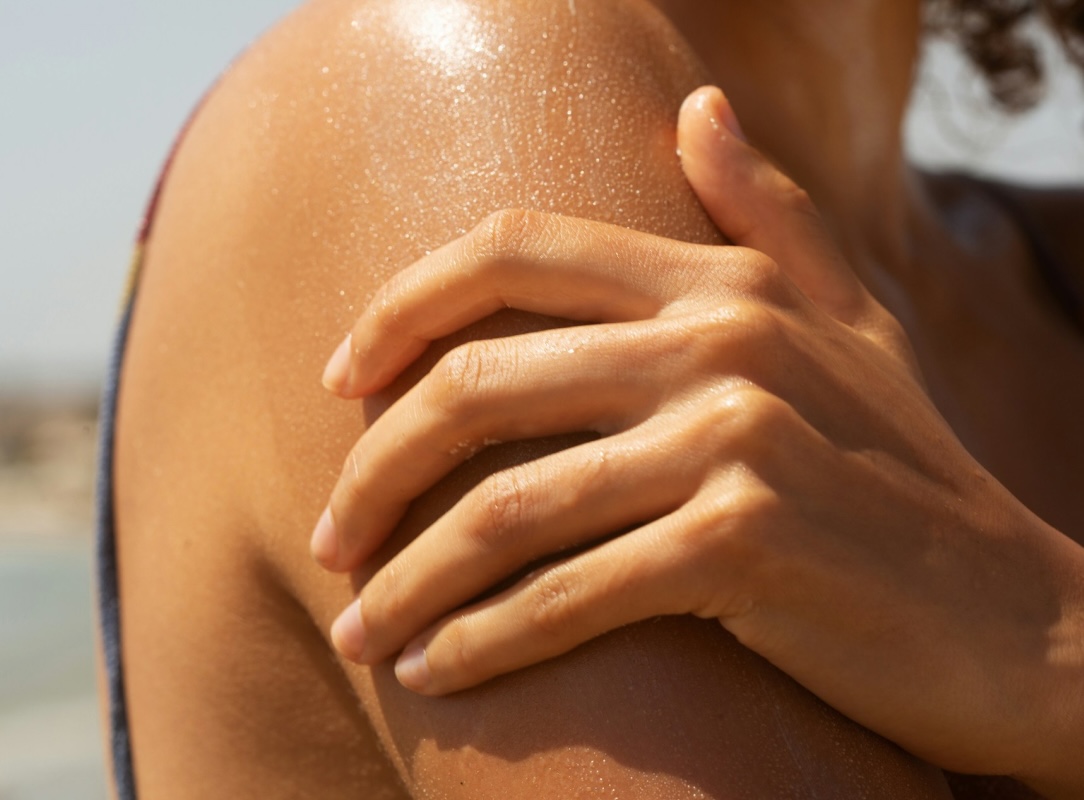
Ohlamour Studio/Unsplash
You Should Know: Dry January isn’t just good for your liver. Alcohol affects nearly every system in the body, including the skin. Because skin cells turn over constantly and rely on steady hydration, circulation, and nutrients, they’re often among the first to show changes when drinking habits shift.
Going Deeper: Alcohol is a diuretic, meaning it pulls water from the body and leaves skin more prone to dryness, dullness, and fine lines. It also dilates blood vessels, which can worsen redness, flushing, and broken capillaries over time. On a cellular level, alcohol increases inflammation and oxidative stress: two forces closely linked to premature aging and uneven tone. When you stop drinking, hydration levels stabilize, inflammatory markers drop, and sleep quality often improves. That combination supports better barrier function and more efficient repair. Many people notice fewer breakouts, reduced puffiness, and a more even complexion within weeks.
The Takeaway: Cutting out alcohol does more for your body than save your liver. It means your skin can regulate oil more effectively, retain moisture, and respond better to topical products.
Bottom Line: Whether it’s 30 days or longer, less alcohol gives your body a chance to reset — and that may manifest as clearer, calmer, brighter skin.