Why Women Are Using Dopamine Patches To Treat ADHD

Kristina Shvedenko/Unsplash
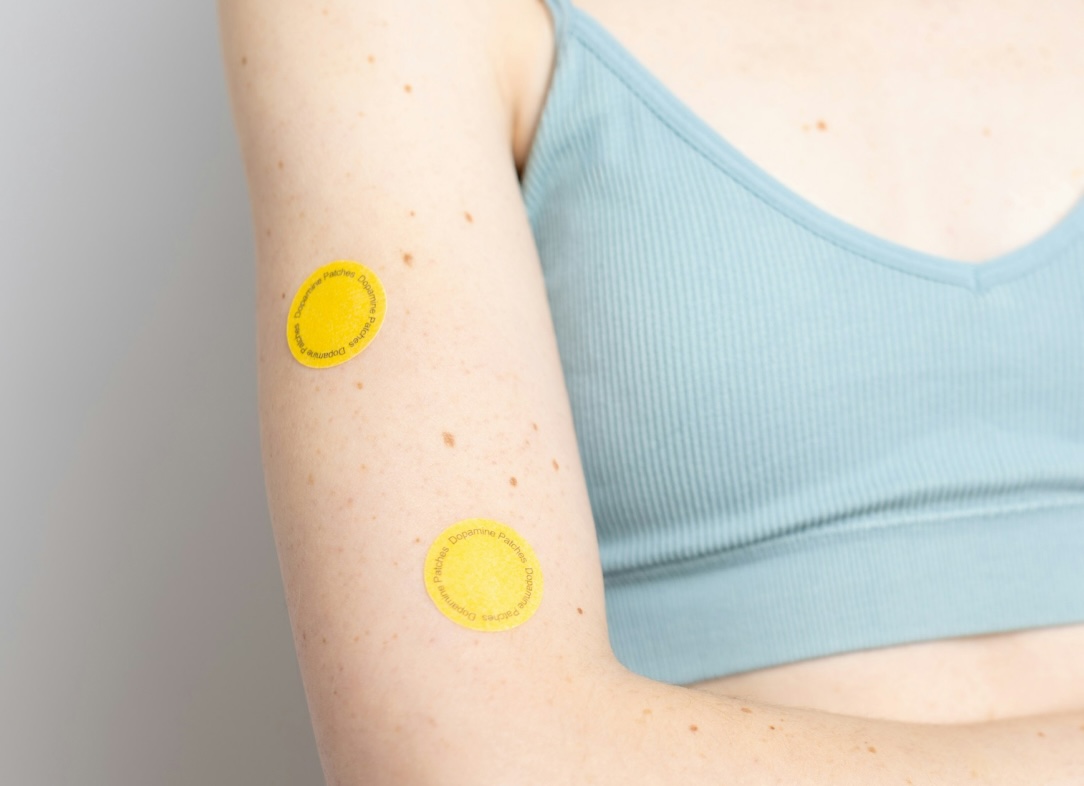
The Trend: Stick-on “dopamine patches” have entered the scene — and now they’re being used to help with ADHD. The connection makes sense: ADHD is associated with lower dopamine activity in the brain, which affects focus, motivation, and impulse control. These patches are considered a natural ADHD alternative, using ingredients like lion’s mane mushroom and mucuna pruriens (a bean extract with a natural dopamine precursor) — but no actual dopamine or FDA-approved compound. Women, who are disproportionately underdiagnosed for ADHD, are some of the biggest adopters of the patches.
What People Are Saying: Some say the patches help them feel more focused, while others say they felt no change — or even experienced skin irritation. Getting an official ADHD diagnosis can involve long wait times and dismissive providers, so the over-the-counter accessibility here is tempting. But experts are skeptical. “That they call them dopamine patches is complete false advertising,” says Ellen Walker, PhD, chair of pharmaceutical sciences at Temple University.
What to Know: These patches are basically a supplement rather than medical-grade dopamine replacement. Without clinical data, there’s no way to confirm whether the ingredients actually absorb through the skin. If you think you may have ADHD, experts recommend a formal evaluation from a medical provider.