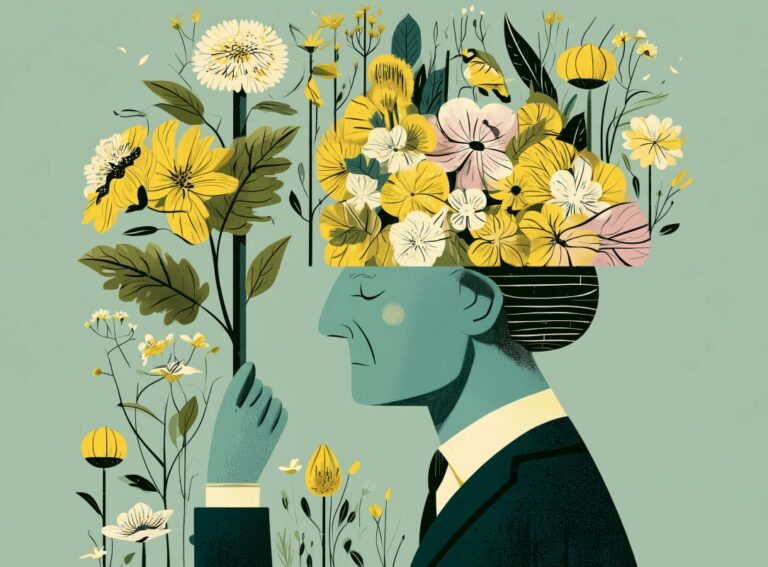
Why Some Brains Resist Alzheimer’s


Midjourney
Cognitive Conundrum: One of the stranger puzzles in neurology is that brain changes linked to Alzheimer’s don’t always match Alzheimer’s symptoms. Somewhere between 20 and 30 percent of adults aged 65 to 75 show disease-related brain changes without any signs of cognitive impairment. What separates those who stay sharp from those who don’t (even when the biological picture looks similar), has become one of the most perplexing questions in the field.
The Study: New research published in Neurology analyzed data from over 600 cognitively healthy adults around age 70, measuring Alzheimer’s-related pathology using blood markers and brain imaging, and then comparing these findings with cognitive performance across domains such as memory and executive function. People whose brains appeared younger than expected for their age showed a weaker link between pathology levels and cognitive decline.
The Takeaway: Researchers call this capacity “brain reserve,” and the encouraging part is that brain aging appears at least partially responsive to lifestyle factors, with physical activity specifically flagged as a potential contributor.
Keep in Mind: The study was cross-sectional, so researchers can’t confirm causation, and more work is still needed to make any definitive claims.