What Nutrition Science Really Says About Snacking

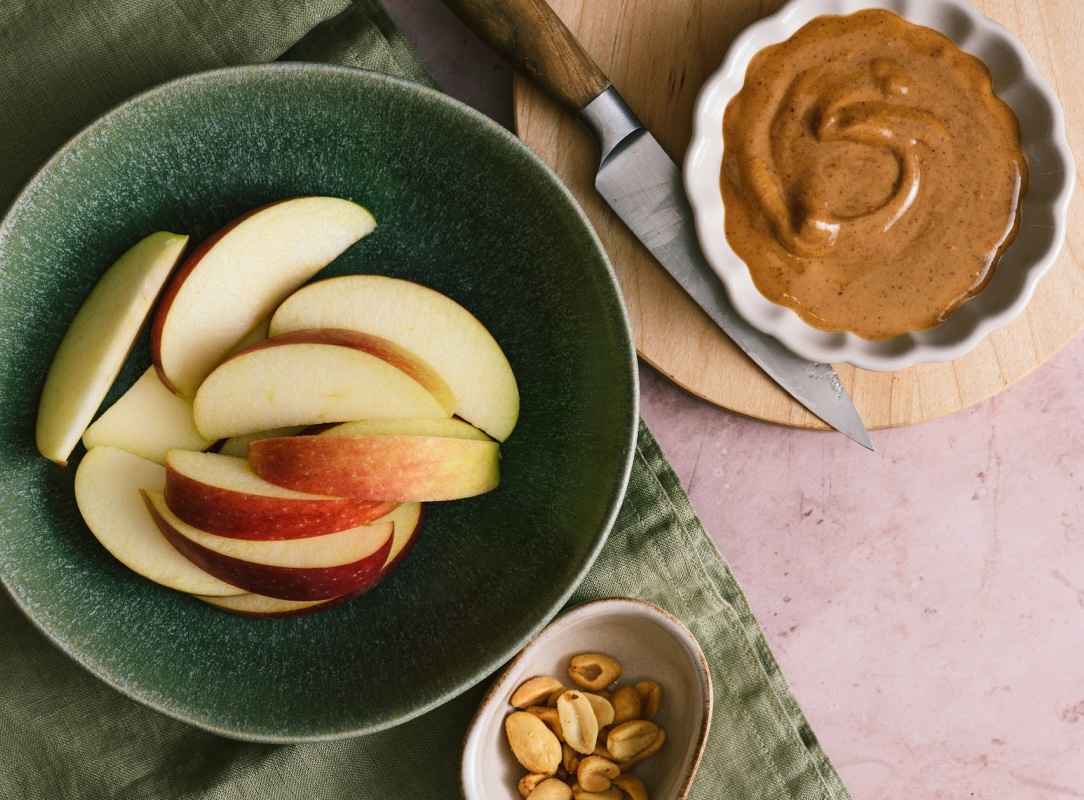
Natalie Behn/Unsplash
You Should Know: The snack-or-no-snack debate has been going on for decades, and it’s never exactly been settled. Research shows that snacking has been linked to both weight gain and weight maintenance, depending on what and why you’re eating between meals.
Going Deeper: One popular claim is that eating frequently throughout the day revs up your metabolism, but studies don’t really support this. Meal frequency has little to no effect on how many calories you burn, and dietitians also point out that constant grazing often means your main meals are falling short on protein and fiber, the two nutrients most responsible for keeping you full. Accordingly, research suggests that the quality and composition of what you eat matter more than the frequency.
Takeaway: Snacking isn’t inherently bad, but it tends to feel more intentional when meals are balanced and eaten at consistent times. High-protein, high-fiber snacks have the strongest satiety effects and produce more stable blood sugar than carb-heavy choices.
Bottom Line: Snacking works best when you plan ahead. So if you’re going to do it, aim for a snack with at least 10 grams of protein and four grams of fiber to actually hold you over until your next meal.