The Microplastics Problem Might Be Smaller Than We Thought

Getty/Unsplash
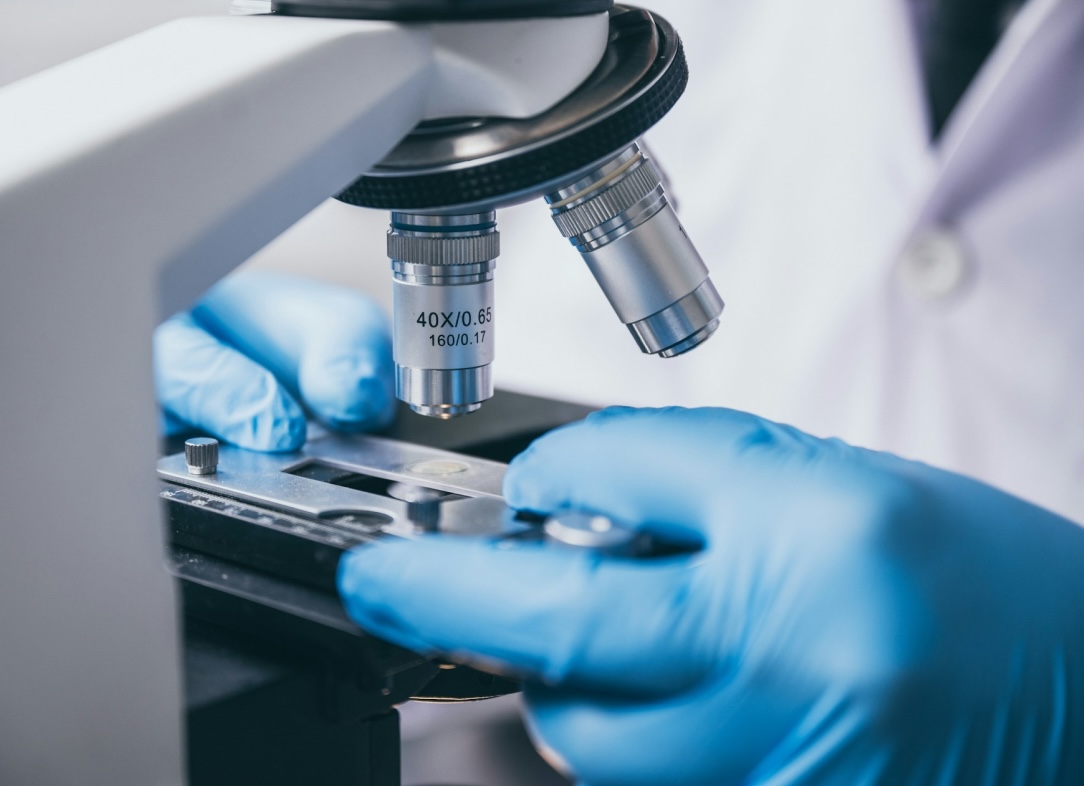
You Should Know: Microplastics have been showing up in increasingly alarming places, and all the new science around them has felt pretty hard to escape. But a new University of Michigan study is raising a wild question about how we’ve been measuring them in the first place. One study found that the disposable gloves that scientists typically wear while doing microplastic research may be contaminating the samples, potentially leading to a big overestimation of plastic particles in the environment.
The Study: The team was originally trying to measure microplastics in the air when their particle counts came back thousands of times higher than expected. After ruling out other lab variables, they traced the problem back to the gloves themselves. Disposable gloves are coated with soap-like particles called stearates during manufacturing, and those stearates transfer onto any surface the gloves touch. The problem is that stearates are structurally nearly identical to polyethylene (the most common plastic found in the environment), making them nearly impossible to distinguish using standard lab tools.
Keep in Mind: Even if environmental microplastic levels are lower than previously reported, researchers are firm that any amount still warrants concern given the documented effects on human health and ecosystems.