The Brain Science of Sensory Toys

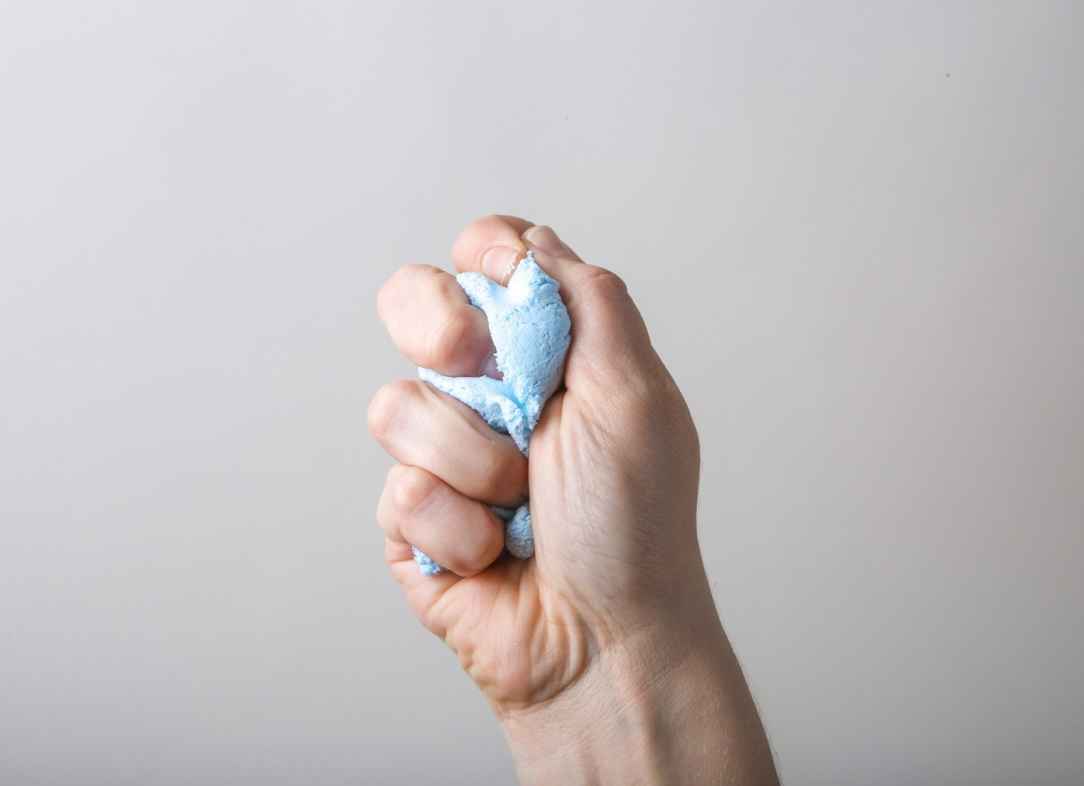
Giorgio Trovato/Unsplash
You Should Know: NeeDoh — a gel-filled fidget toy in cartoonish shapes like ice cubes and gumdrops — has gone viral. It’s out of stock almost everywhere, which has led to TikTok subgenres dedicated to “NeeDoh hunts.” Slime, kinetic sand, putty, and stress balls have all had similar trendy moments — the interesting question is why these textures keep sucking us in.
Going Deeper: Sensory neuroscientists in The Conversation note that the body has neural circuits for processing pressure and texture, and those circuits loop back to brain regions involved in emotional regulation and planning. Studies of stress-ball squeezing in adults show activation in those areas, which may help explain the calmer, more-focused feeling people get from these objects. The brain also seems to want the hands to be occupied. When fingers have something to do, they’re less likely to take up skin-picking or nail-biting.
Takeaway: For adults working through anxiety or trying to focus on a task, squishing is an easy way to redirect restless hands.
Bottom Line: The NeeDoh may be sold out, but any soft, squeezable object can scratch this neurological itch.