Why Trauma Survivors Can’t Always “Talk Their Way Through It”
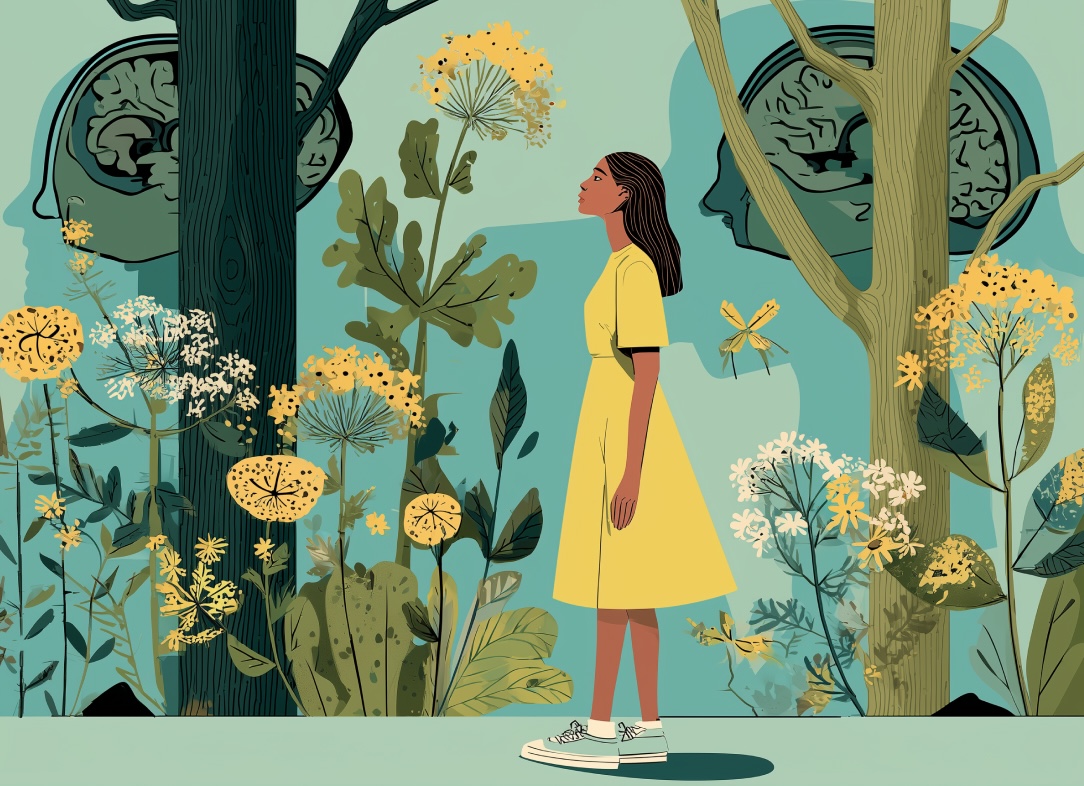
Midjourney
Talk It Out: Or not. Talk therapy is a cornerstone of PTSD treatment, but it doesn’t work equally well for everyone. New research suggests part of the reason may be found in how trauma changes the brain.
The Study: Researchers scanned the brains of 136 people (70 with PTSD and 66 trauma-exposed people without PTSD) while they used cognitive therapy techniques to challenge negative beliefs about themselves. They found that people with PTSD showed weaker communication between the prefrontal cortex (involved in thinking and self-control) and the thalamus (a brain region that helps relay information). Those with the strongest negative self-beliefs showed the weakest connections, potentially making it harder to update those beliefs — even when presented with evidence that contradicts them.
The Takeaway: PTSD isn’t “all in your head.” Trauma can alter brain networks in ways that make it difficult for some people to benefit from traditional talk therapy. If one approach hasn’t helped, that doesn’t mean treatment won’t work; different therapies may be needed.
Keep in Mind: This study helps explain why therapy outcomes vary, but it doesn’t show that talk therapy is ineffective. Many people with PTSD improve substantially, and brain scans alone can’t predict who will respond best to treatment.
More in Mindfulness

A Flow State Can Boost Focus & Ease Stress. Here’s How to Find Yours
 Mindfulness
Somatic Therapy Is on the Rise. Can It Really Help With Trauma?
Mindfulness 
How To Use This Neuroscience Principle To Rewire Negative Thoughts
Mindfulness 
The Science-Based Way to Set Goals You’ll Actually Stick With
Mindfulness