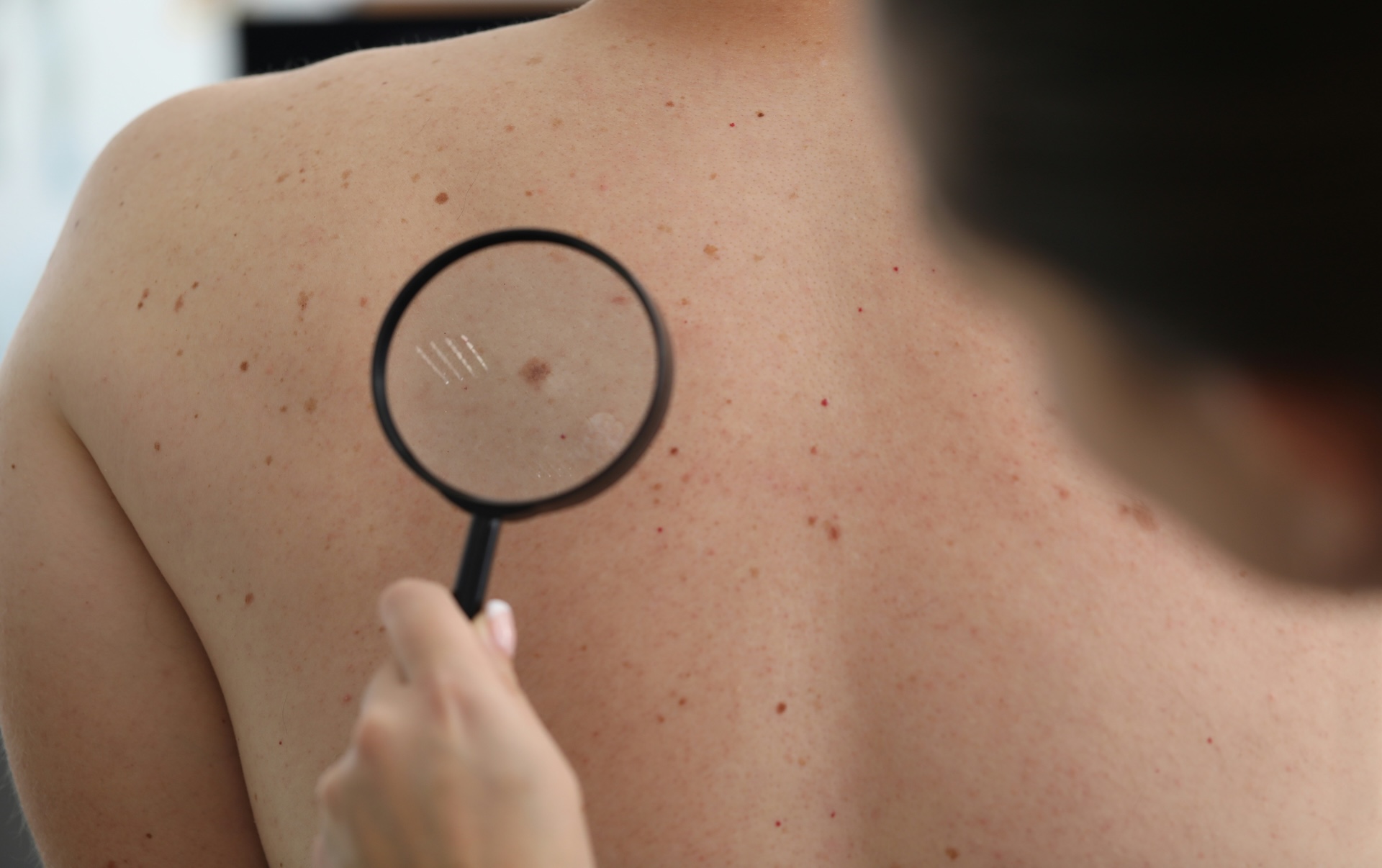
What Are Skin Tags — and Should You Worry About Them?

Here’s everything you need to know about skin tags, from how and why they form to whether they’re safe to remove at home.
Stumbled upon a skin tag? If you’re worried, we’ll put the good news up front: Skin tags are common and, almost always, harmless. However, it’s perfectly reasonable to be wary of a brand new something appearing on your skin — even if it’s just more skin.
Here’s what you need to know about skin tags, from how they form, to which remedies work, to the specific situations that may warrant a closer look by a physician.
What You Should Know About Skin Tags
Skin tags, or acrochordons, are soft, non-cancerous growths that hang off the skin. They’re usually small — most measure 1 to 5 millimeters, though some grow larger — and tend to be pink or flesh-colored and painless to touch. Some dangle from a thin stalk, while others sit flatter against the skin.
Are skin tags dangerous?: No. The Cleveland Clinic says they almost never require medical attention, and about half of all adults will get at least one at some point in their lives.
However: Skin tags present as benign protrusions. If they stay that way, great. But if the “skin tag” begins to rapidly change color, becomes painful to touch, bleeds, or hardens, you may be dealing with another condition.
Put simply, if your skin tag is consistently boring, you have nothing to worry about. If it starts acting up, you might be dealing with a mole, wart, or, potentially, skin cancer.
Going Deeper: Causes and How They’re Removed
How this happens: Your skin is your body’s largest organ. It shields your vulnerable insides from the elements and, as a result, takes quite a beating. Skin is elastic, resilient, and adaptable, especially to forces like friction.
Hormones can play a role, too. Shifts during pregnancy and menopause sometimes trigger new tags, and after about age 40, a natural decline in collagen and elastin makes skin more prone to them.
Skin tags tend to develop in clusters around areas where skin repeatedly rubs against itself. Think of your underarms, neck, or eyelids.
Metabolic factors may also play a role. Studies show that insulin resistance may impact the prevalence of skin tags, and some data indicate skin tags may function as a canary in the coal mine for metabolic syndrome.
For most people, most of the time, skin tags develop with age and due to physical factors. They are not necessarily an indicator of an underlying problem. If you’re concerned about your skin tags, there’s no harm in having a dermatologist take a closer look.
DIY Skin Tag Removal at Home: Is It Safe?
Don’t make a small nuisance into a big problem. It’s unsafe to remove skin tags at home with DIY methods like cutting, freezing, or applying topical ointments, especially if your skin tags are near sensitive areas like your eyes.
If you do want to try something at home on a low-risk spot, stick to an over-the-counter product that’s FDA-cleared specifically for skin tags and follow the directions carefully — wart removers, for instance, are too harsh and can damage the surrounding skin.

If you’d like to have your skin tags removed, seek out a dermatologist. Skin tags can be removed with precision freezing or snipped off with specialized tools.
Worth mentioning: Unless your dermatologist deems your skin tag removal a medically necessary procedure, your health insurance usually won’t cover it.
The Takeaway
Skin tags are common, benign, and rarely amount to more than an aesthetic inconvenience. In rare cases, they may indicate a more serious medical issue, especially if they grow, bleed, or change in color or texture. If you’re bothered by skin tags, don’t try to chop them off at home. Have a dermatologist conduct the procedure in a clinical setting, but be prepared to pay out of pocket, even if you have insurance.
Bottom Line
Skin tags are harmless topical quirks that most adults will encounter at one point or another. They can be removed in a doctor’s office if needed, but are generally not considered a health risk unless they display progressive changes or rapidly develop in one area.