How Accurate Is Your Fitness Tracker, Really?

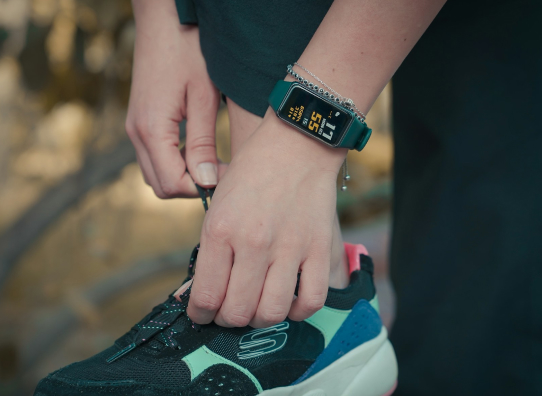
Onur Binay/Unsplash
You Should Know: Wearables are getting smarter, and Apple’s new Watch Series 12 is being touted for improved heart-rate accuracy. Still, smarter doesn’t necessarily mean exact. Many health metrics on your wrist are still estimates generated by sensors and algorithms, not direct measurements of what’s happening inside your body.
Going Deeper: A new study from Florida International University put four popular watches — the Apple Watch Series 8, Garmin Forerunner 955, Samsung Galaxy Watch 5, and Fitbit Sense 2 — to the test against clinical-grade equipment. The watches generally overestimated calories burned during exercise, with typical errors ranging from 15% to 25%. Apple was the most accurate of the bunch, but it still wasn’t exact. More strikingly, accuracy tended to worsen as participants’ body-fat percentage increased.
Takeaway: Fitness trackers may not be highly accurate, but that doesn’t mean they’re useless. Outside of physiological metrics like heart rate and calorie burn, metrics like activity and performance data (such as walking or running pace) are helpful, particularly for spotting trends over time. They can also help you stay motivated and find community through app platforms.
Bottom Line: Treat your smartwatch as a helpful guide. Its numbers can inform your choices, but they shouldn’t dictate them.