Could Your Diet Be Aging You? The Foods That Age You Faster
The science behind how added sugar, ultra-processed foods, and certain cooking methods may affect your skin, cells, and long-term health.
You already intuitively know that what you eat affects your energy, weight, and overall health, but have you thought about the overall impact your diet has on how you get older? Certain foods that age you, or at least contribute to certain biological processes linked with aging, may affect everything from how your skin looks to how your body manages inflammation.
One cookie won’t give you wrinkles, nor will cleaning up your diet halt your biological clock. Aging is still a complicated process affected by a plethora of factors like genetics, time, sun exposure, sleep, stress, and a few others. But the food on your plate is one of those factors you can enact complete control over, and research suggests it may matter more than most people realize.
What You Should Know About Diet and Aging
There are all sorts of medical treatments, lotions, and exercise prescriptions that can help with various aspects of the aging process, but if you haven’t been considering your diet as a whole-body approach to slow down, or, at the very least, ease the symptoms of aging, then you’re missing a crucial component.
That’s because certain foods and dietary habits can influence inflammation, blood sugar regulation, gut health, and the formation of compounds called advanced glycation end products, or AGEs. These processes are all tied, in different ways, to how your body changes over time, including the visible signs of aging that show up in your skin.
One of the main pathways is glycation, which happens when excess sugar binds to proteins or fats in the body. Over time, this can lead to the formation of AGEs, which may stiffen collagen — the protein that helps skin look firm and youthful — and contribute to age-related changes in the body. Some AGEs also come from the foods you eat, especially foods cooked with high, dry heat, such as fried, grilled, broiled, or heavily browned foods.
The other pathway is chronic inflammation — a low, constant simmer of immune activity that, left unchecked, wears on your cells and tissues over time. Diets heavy in added sugar and ultra-processed food tend to keep that simmer going.
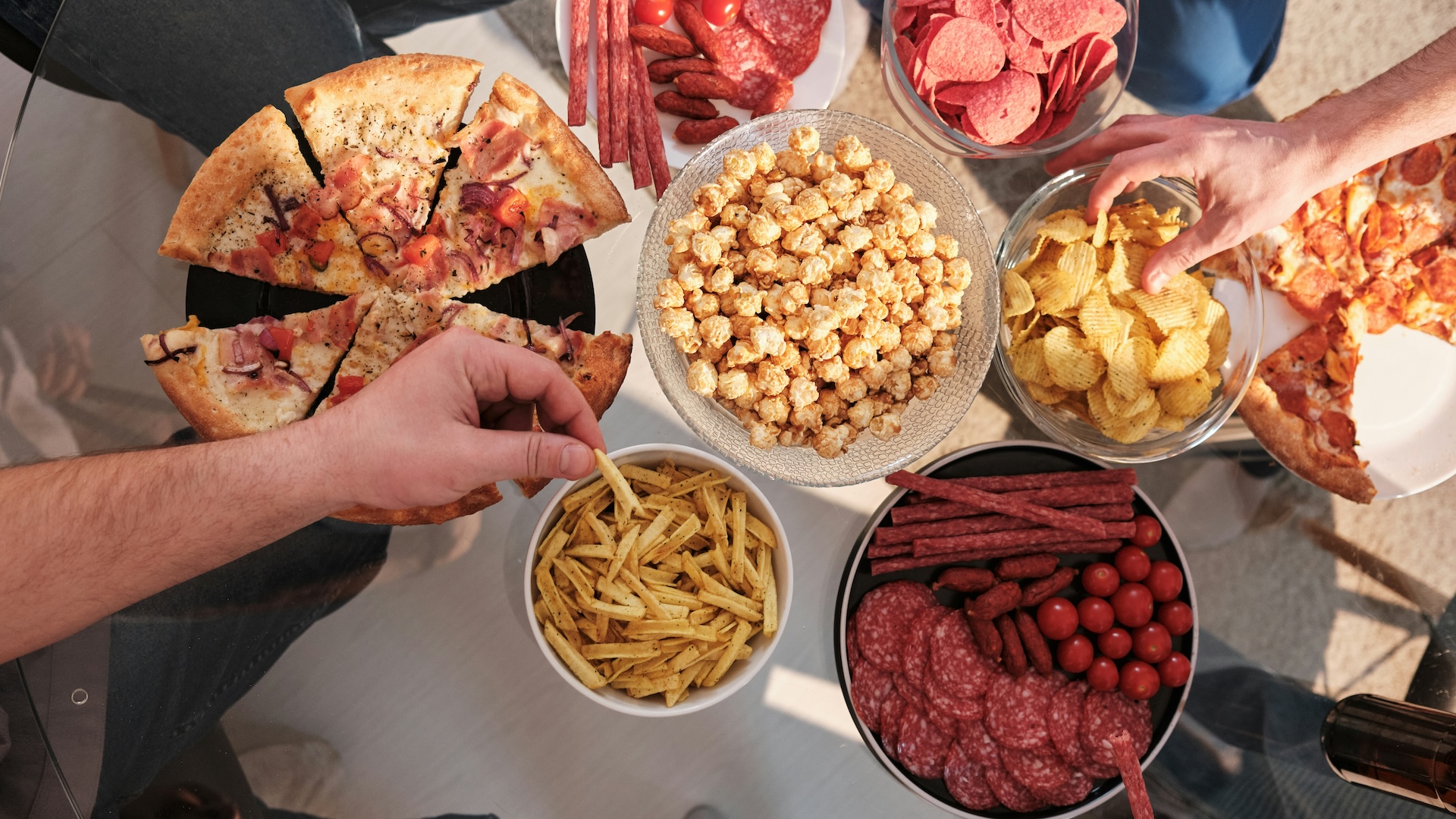
What won’t surprise you (as much, at least) is that processed carbohydrates, processed meats, and excess saturated fats are the main culprits. These foods don’t “cause aging” on their own, but eating them often may contribute to some of the biological processes associated with faster aging.
But how much do these findings matter in real life, and can changing what you eat actually influence aging in a meaningful way?
Going Deeper on Diet and Aging
In an article by The Guardian, Eric Verdin, president and CEO of the Buck Institute for Research on Aging in Novato, California, explains that the body may benefit from time away from constant eating and digestion. As he put it: “There is a lot of evidence for this — 12 hours fasting and repairing, and 12 hours eating and building is more conducive to healthy aging.” The food itself clearly matters, too.
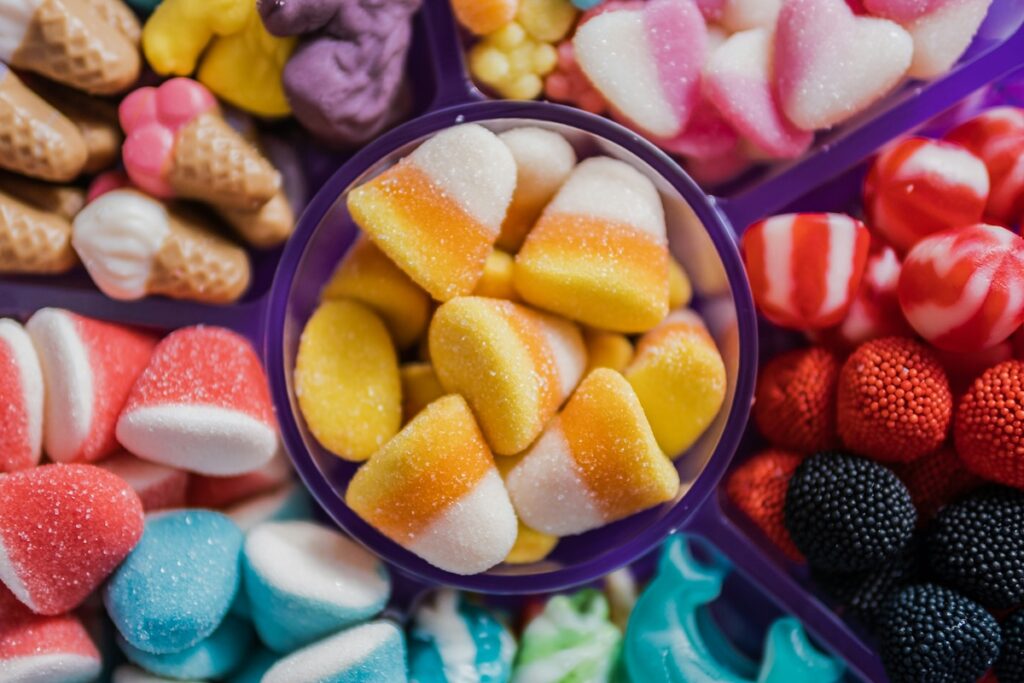
- A 2024 study of 342 black and white middle-aged women found that a higher intake of added sugar was associated with a higher epigenetic (aka biological) age than among those who ate a higher-quality diet, such as the Mediterranean diet.
- High-heat, low-moisture cooking techniques, like grilling and pan-frying, were found to increase the levels of AGEs in foods, according to a 2010 paper published in the Journal of the Academy of Nutrition and Dietetics. The authors concluded that changing cooking techniques could yield significant changes in the AGEs; for example, poaching a chicken breast for 15 minutes yielded 1,076 AGEs compared to nearly 5,000 for pan-frying a chicken breast.
- AGEs were also strongly linked to skin aging in a review published in Dermato Endocrinology.
The Takeaway
You can’t eat your way out of aging — sorry! — but the research suggests that foods high in added sugar, ultra-processed ingredients, and AGEs may contribute to some of the processes that make your body age faster. To support healthier aging, cut back on sugary drinks, packaged snacks, processed meats, and heavily fried or charred foods, and build more meals around colorful produce, healthy fats, whole grains, and fish.
Bottom Line
Inflammation and glycation are real pathways tied to aging, and your diet can influence both. What’s less clear is how much changing your diet alone can slow the visible pace of aging, especially since much of the research is associational and aging is also shaped by genetics, sleep, sun exposure, stress, alcohol, smoking, and exercise. No single diet change is your fountain of youth. However, eating a more precise and healthy overall diet can be a meaningful lever for you to pull.
Experts Who Contributed
- Andrew Gutman, NASM-CPT, wrote this article.
- Lauren Keary, NASM-CNC, reviewed this article for accuracy.
More in Nutrition

The 12 Best Low-Calorie Fruits To Add To Your Diet
 Nutrition
Condiments Can Spike Your Blood Sugar — Here Are 7 That Won’t
Nutrition 
6 Supplements That Might Help Lower Cortisol or Ease Stress — and What to Know Before Trying Them
Nutrition 
Should You Drink Coffee Before or After Breakfast?
Nutrition