
8 Self-Care Ideas to Help You Recharge

We may earn a commission if you make a purchase through links in this article. This does not affect our recommendations.
Eight small upgrades — apps, loungewear, and recovery tools — that make taking better care of yourself a little easier.
It’s hard to show up — for work, for your friends, for your family — if you aren’t taking proper care of yourself. Self-care is a term that’s been spun around by marketers to mean a whole bunch of different things, from working out and eating well to getting more sleep and meditating. Those big-picture practices matter, but so do the smaller things you can work into your routine to help you feel better rested, more relaxed, and generally a little more human.
The list of self care ideas below includes apps, apparel, and recovery tools that you can add to different parts of your routine to make it feel less David Goggins and more spa day. None of these products replace consistent exercise, a balanced diet, or quality sleep. But if they help you unwind, recover, sleep better, or simply carve out a little time for yourself, they can still earn a place in a healthy routine.
Self-Care Ideas and the Products That Help
- Best Vagus Nerve Stimulation Device: NuroPod
- Best Massage Gun: Hyperice Hypervolt
- Best Fasting App: Simple App
- Best Cashmere Loungewear: Quince
- Best Sleep Earbuds: Ozlo Sleepbuds 2
- Best Red Light Therapy Device: Mito Red Light
- Best Sleep System: Orion Sleep System
- Best Telehealth Platform: Hone Health
Best Vagus Nerve Stimulation Device: NuroPod
There’s a lot to unpack with the Nuropod, but the long and short of it is that it’s a device that clips to your ear and electrically stimulates the parasympathetic nervous system — which helps regulate rest and digestion — by way of the vagus nerve.
Nuropod recommends using the device for about 30 to 60 minutes per day. The underlying approach — transcutaneous vagus nerve stimulation — has been studied in randomized, placebo-controlled research for effects on things like heart rate variability, fatigue, and stress, though results are mixed, and most of that work used clinical-grade devices, not consumer products like this one. That makes it more interesting than a purely gimmicky gadget, but keep expectations realistic: Nuropod is not FDA-approved to treat any medical condition, and it shouldn’t replace established stress-management habits or medical care.
Best Massage Gun: Hyperice Hypervolt
Massage guns have gone from fitness trend to recovery staple, with everyone from recreational lifters to elite athletes using them to loosen up before training or unwind afterward. There’s some evidence behind the hype, too: Research suggests percussive therapy can temporarily improve range of motion and flexibility, and may help reduce perceived muscle soreness. They don’t quite mimic the digging-in feeling of an actual massage, but they do feel good, and they’re a practical way to self-massage your muscles at home while watching TV or lying in bed.
Hyperice makes three models — the Hypervolt 3 Pro, Hypervolt 3, and Hypervolt Go 3 — that offer similar functionality at different price points. For $149, the Go 3 is the best value, delivering three speed levels, a compact profile, and two massage heads. If you’re consistently fending off post-workout soreness or simply like the feeling of a light massage, Hypervolt’s massage gun line is a worthwhile investment that you can use for years.
Best Fasting App: Simple
Intermittent fasting isn’t for everyone. But eating within a set time window is one approach to weight loss — a review of intermittent-fasting studies found it produced weight loss comparable to standard calorie-cutting diets, often because a shorter eating window means taking in fewer calories overall. Simple capitalized on IF’s popularity to create a nutrition app focused on weight loss through fasting instead of meticulous calorie tracking or restrictive food rules.
The app features an adorable furry avatar, Blinky, who reacts to your progress and helps make tracking feel a little less tedious. Simple also includes personalized weight-loss plans, food scanning, fasting and meal tracking, hydration and activity tracking, AI-powered coaching, and guided workouts. If you’re looking to lose weight and prefer structure without logging every calorie, a guided app like Simple can give you tools to build more consistent eating and activity habits — and taking better care of yourself certainly qualifies as self-care.
Best Cashmere Loungewear: Quince
Picture this: Your coffee spills into your cupholder on the drive to work, that one co-worker goes behind your back to your boss, and, worse yet, you forgot to pack your favorite part of lunch that morning. By the time you get home, you’re a near-boiling kettle of rage. On days like this, it helps to have one part of your routine you genuinely look forward to — even if it’s simply changing out of your work clothes and into something soft, warm, and comfortable.
That’s where Quince comes in. The brand offers cashmere sweaters, pants, robes, socks, and other lounge-friendly staples at prices that are generally more approachable than traditional luxury cashmere. The fabric feels warm without being overly bulky, which makes it easy to wear around the house without feeling like you’ve wrapped yourself in a blanket. And while cashmere does require a little more care than your average sweatshirt — Quince recommends hand washing it cold and laying it flat to dry — it’s the kind of small luxury that can make the transition from work mode to off-duty mode feel a little more deliberate.
If you’re hesitant to spend more on loungewear, Quince also offers free returns on most items for up to 365 days, provided they’re still in original condition.
Best Sleep Earbuds: Ozlo Sleepbuds 2
There’s no arguing the importance of sleep. Your body needs it to recover and perform its vital functions, but some people have trouble turning off their brains long enough to get the recommended seven to eight hours each night. Introducing a consistent sleep routine and practicing good sleep hygiene can help. Think limiting screen time before bed, sleeping in a cool room, blocking unwanted light, and keeping your bedroom as quiet as possible.
Ozlo Sleepbuds 2 fit into that routine by helping reduce nighttime noise without the bulk of traditional earbuds. The silicone tips create a passive seal, while adaptive noise-masking sounds help cover disruptions like snoring or traffic; they can also stream music, podcasts, or other audio before automatically switching to masking sounds once you fall asleep. The Ozlo app tracks sleep patterns and, using sensors in the Sleepbuds and Smart Case, provides insights into sleep stages, noise, room temperature, and light exposure. At $279, they’re definitely a splurge, but for people who regularly lose sleep to a noisy partner, neighbors, or city sounds, they’re a worthwhile option compared to sleeping in standard earbuds.
Best Red Light Therapy Device: Mito Red Light
You’ve probably heard a lot about red light therapy and wondered if standing in front of a floor-length panel of light can actually do anything for your health. The good news is that red light therapy isn’t just another wellness fad. Research suggests red and near-infrared light may modestly improve certain measures of exercise recovery, pain, skin health, and tissue healing. Results can vary based on the wavelength, dose, treatment duration, and what you’re using it for, but there’s enough evidence to make red light therapy an intriguing addition to a recovery or skincare routine.
Mito Red Light offers a wide range of at-home options, from smaller portable panels and face masks to larger full-body panels and pods, making it easier to choose something that fits your space and routine. The main consideration is price: Red light therapy equipment can get expensive quickly, especially as you move into larger devices. Still, if you’re interested in using red light consistently for skin health, soreness, or recovery, investing in an at-home setup can be more convenient than booking repeated treatments elsewhere.
Best Sleep System: Orion Sleep System
There’s a time to be frugal and a time to shell out for the long haul, and quality sleep is one area where spending more can make sense. The Orion Sleep System fits over your existing mattress and lets each side of the bed run at a different temperature, which is especially useful for couples who sleep together but have very different definitions of “comfortable.” If running hot at night is what’s wrecking your sleep, its bedside control tower circulates heated or cooled water through the cover, and you can use the app to create temperature schedules that change throughout the night.
Orion also has built-in sensors that track sleep stages, heart rate, movement, breathing rate, and heart-rate variability, giving you a clearer picture of how you’re sleeping over time. The system can then use that data, along with your preferences, to refine your temperature schedule. It’s undeniably a luxury purchase, but if temperature is one of the main things disrupting your sleep — or you’re constantly fighting your partner over the thermostat — Orion tackles the problem without forcing you to replace a mattress you already like.
Best Telehealth Platform: Hone Health
Self-care isn’t always about massages, soft clothes, and better sleep. Sometimes it means getting actual information about your health and doing something with it. Hone Health is a telehealth platform built around lab testing and physician-led care, with a focus on areas like hormones, metabolism, cardiovascular health, thyroid function, and other markers tied to long-term health. You start with bloodwork, review the results with a licensed physician, and receive a personalized plan that may include lifestyle recommendations, supplements, additional testing, or prescription treatment when appropriate.
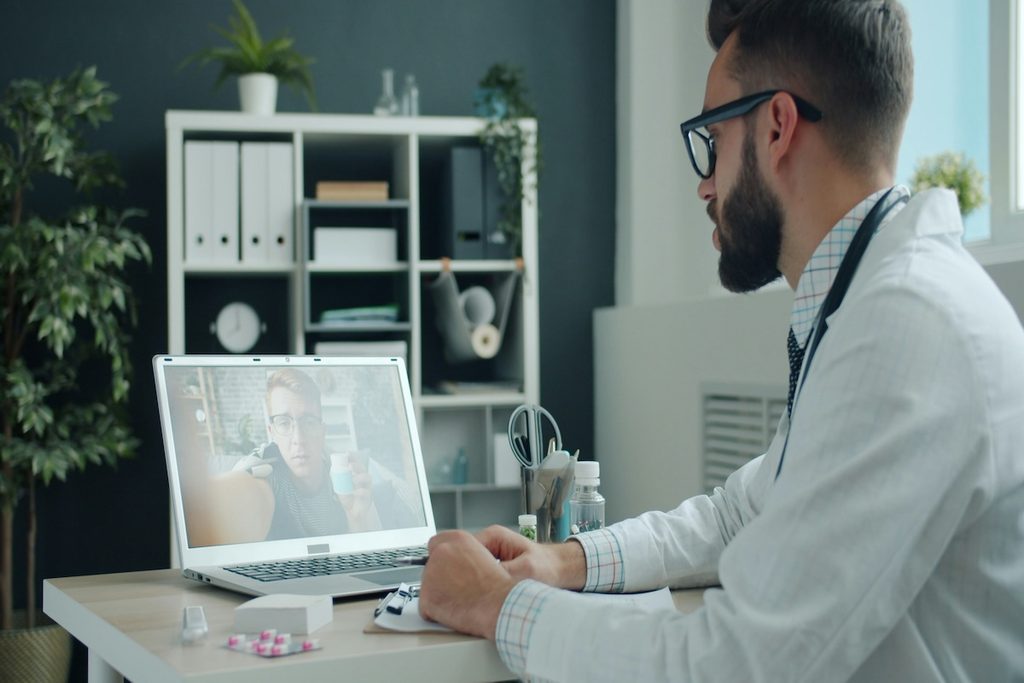
The appeal is in its convenience. Its testing covers more than 50 biomarkers, follow-up care happens virtually, and members can track changes over time instead of treating a single lab panel like a one-off snapshot. Hone currently offers a lower-cost Basic membership as well as a more comprehensive Premium tier that includes regular testing and physician consultations, while medications cost extra when prescribed. It’s a bigger commitment than buying another wellness gadget, but for someone who has been putting off bloodwork or wants more structured oversight of their health, making medical care easier to access may be one of the more practical forms of self-care on this list.
What to Consider When Building a Self-Care Routine
Before choosing a self-care idea that’s right for your lifestyle, you’ll want to assess your current routine, see which things will actually help you build repeatable habits, and consider if medical help should be a step in the process, as well.
Current Routine
You probably already practice self-care to some extent. Write down what you currently do for yourself — meditate, run, journal in the morning — so you can spot any gaps or habits you’d like to reinforce. If you’re already heavy into exercise, adding 10 minutes of massage gun work may be a natural fit. Or, if you consistently sleep poorly, it may be worth investing in something that could make your sleep environment more comfortable.
Habits
You’re unlikely to stick with something if it feels inconvenient or overly disruptive. If you’ve never intentionally dieted before, for example, downloading an app and overhauling your entire eating routine may feel like too much at once. Start smaller by adding simple practices to parts of your day that already exist, then build from there once they feel automatic.
It’s Not a Replacement for Medical Help
Products and wellness routines can help you relax, recover, and build healthier habits, but they aren’t replacements for professional care. Persistent pain, sleep problems, anxiety, fatigue, or other health concerns deserve more than another gadget. Think of self-care as one part of taking care of yourself, not a substitute for seeing a qualified healthcare professional when you need one.
How We Chose These Self-Care Picks
There are thousands of products marketed as “self-care,” which is part of what makes the term feel so vague. For this list, we focused on the best self-care products that support specific habits — like sleeping, recovering, relaxing, or managing your health — rather than products that simply slap a wellness label on something you don’t need.

Use Cases
Every product on this list had to solve a recognizable problem or make a healthy habit easier to follow. That could mean blocking disruptive noise at night, providing an easy way to massage sore muscles, helping regulate your sleep environment, or making health tracking and medical care more accessible.
Weighed the Evidence
When a product made health or performance claims, we looked at the research behind the broader technology or practice. Some categories, including massage guns, red light therapy, and vagus nerve stimulation, have emerging or established evidence for specific outcomes, but we avoided treating early research as proof that every marketing claim is true.
Cost and Practicality
A self-care product only makes sense if you’ll use it. We weighed price against features, versatility, convenience, and how easily each product could fit into everyday life. Expensive products had to offer a clear benefit or solve a problem that cheaper alternatives don’t address as well.
FAQs
Easy self-care can be as simple as going for a walk, taking a hot shower, stretching for 10 minutes, reading before bed, calling a friend, preparing a meal you enjoy, or putting your phone away for an hour. The best self-care ideas are usually low-friction habits that help you feel calmer, healthier, or more rested.
No. Many of the most effective forms of self-care cost nothing, including sleep, exercise, spending time outside, setting boundaries, meditating, and maintaining relationships. Products can make certain routines more enjoyable or convenient, but they should support healthy habits, not replace them.
Ideally, self-care should be built into your regular routine rather than saved for when you feel completely burned out. That doesn’t mean scheduling a spa day every afternoon. Small daily habits — like getting enough sleep, moving your body, taking breaks, and making time to decompress — usually matter more than occasional big gestures.
The Bottom Line
Self-care doesn’t have to mean a total lifestyle overhaul. Most of the picks here work because they lower the friction on something you already want to do — sleep a little better, move a little more, actually unwind at the end of the day, etc. A fasting app or a sleep-tracking system can give you useful data, a massage gun or red light panel can help you recover, and a pair of sleep earbuds can make your space feel calmer. None of these are magic, and a few (like the vagus nerve device) are backed by early, mixed research rather than settled science, so it’s worth matching your budget to how much you’ll realistically use something. Start with one upgrade that targets your biggest pain point rather than buying the whole list at once. The best self-care tool is the one you’ll actually use.