A Simple Cortisol Cocktail Recipe — and Whether or Not It Works

Social media may make cortisol cocktails look tasty, but their supposed benefits might be too good to be true.
If you’re feeling on edge or notice that you’re accumulating tension or stress over a few days, weeks, or months, it’s tempting to think that something as simple as a drink can wash it all away. That’s more or less the claim people are making on social media about cortisol cocktails (sometimes called adrenal cocktails), a trendy, nonalcoholic drink that users suggest will help reduce levels of cortisol, the body’s main stress hormone.
Sadly, battling chronic stress is not that simple or easy. Not only is cortisol more complicated than these social media posts make it out to be — stress doesn’t always equal high cortisol, and lowering it isn’t always a good thing — but a simple drink made from common household ingredients also likely isn’t enough to have a meaningful effect. Keep reading to learn what’s in a cortisol cocktail recipe, what potential benefits a cortisol cocktail actually offers, any risks to know about, and when it might make sense to try one yourself.
TL;DR
A cortisol cocktail is a drink popularized by social media with the purported benefit of reducing cortisol, the body’s main stress hormone. It often contains orange juice, coconut water, sea salt, and magnesium powder, making it a good source of some electrolytes and vitamin C. While it might be tasty and hydrating, there’s no proof it actually lowers cortisol or reduces stress.
Key Takeaways
- A cortisol cocktail is a trendy, nonalcoholic drink recipe that the internet claims reduces cortisol, most often containing orange juice, coconut water, salt, and magnesium powder.
- The drink provides some vitamins and electrolytes, including vitamin C, potassium, magnesium, and sodium, which can support hydration, overall health, and energy.
- There’s no evidence that cortisol cocktails directly lower cortisol levels or meaningfully reduce stress.
- For most people, cortisol cocktails don’t pose any serious health risks, but they’re unlikely to lower cortisol or have a significant impact on your health.
How to Make a Cortisol Cocktail
Cortisol cocktail recipes vary, but one popular version includes: 1 cup coconut water, 1/4 cup orange juice, 1/4 teaspoon salt, and a scoop of magnesium powder, served over ice and/or with sparkling water. Some versions also include a squeeze of lemon juice, cream of tartar, or ground ginger.
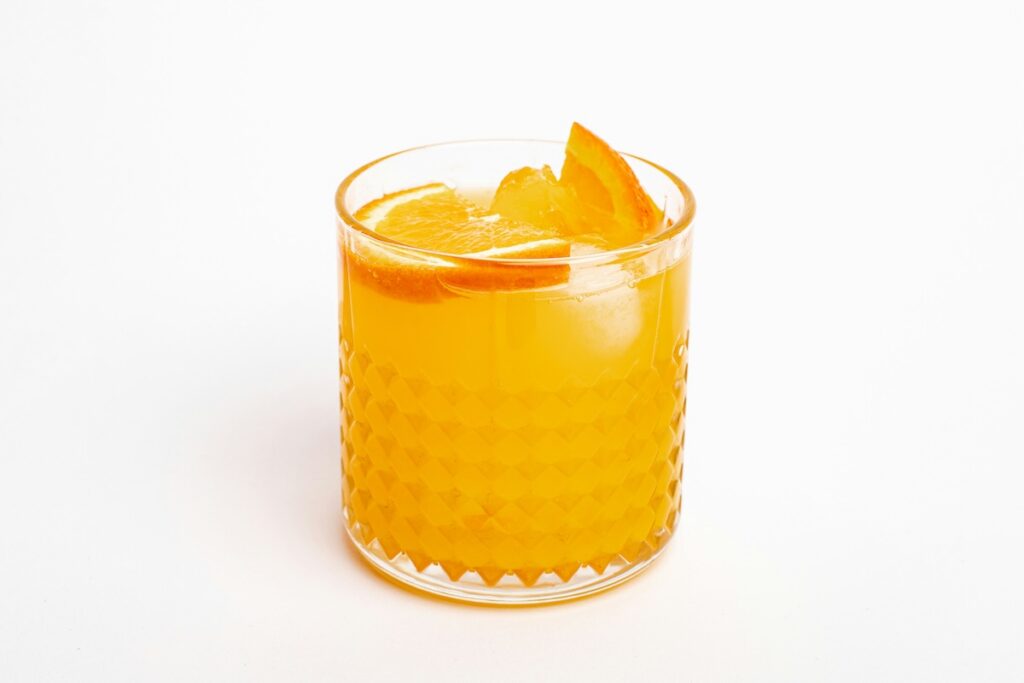
Here’s what the main ingredients offer in terms of nutrition:
- Coconut water: A cup of coconut water contains about 44 calories and 10 grams of sugar. It provides a small amount of a few vitamins and minerals, most notably including about 63mg sodium and 400mg potassium, both of which are electrolytes.
- Orange juice: The specific nutrition will vary depending on the exact type of orange juice, including whether it’s freshly squeezed or commercially processed. As an example, one quarter cup of freshly squeezed orange juice contains about 28 cals, 5g sugar, 105 mg potassium, about 2% of the daily value (DV), 30 mg vitamin C, or about 33% of the DV.
- Salt: A quarter teaspoon of sea salt provides 500–600 mg of sodium, or about a quarter of the daily value of the electrolyte.
- Magnesium powder: This depends heavily on the exact magnesium powder used. Popular magnesium powders commonly provide 200–300 mg of magnesium (about 48–70% of the DV) in one scoop, for example. Different supplements may use different types of magnesium, which affects how your body absorbs them and what potential health benefits they may offer, and they may also contain other active ingredients.
That means, together, a cortisol cocktail might contain about 70 calories and 15 grams of sugar, while being a good source of three electrolytes (sodium, potassium, and magnesium) and vitamin C.
Does It Actually Work?
There’s no evidence that this “cortisol cocktail” recipe can lower cortisol or dramatically reduce stress. So where does the cortisol-lowering claim come from? Well, it does offer some nutrients that could, in theory, promote overall health and help regulate your body’s stress response.
Let’s break it down: Cortisol, commonly known as the “stress hormone,” is released by the adrenal glands and helps regulate your sleep-wake cycle and send your body and mind into action in times of stress. That’s why cortisol cocktails are sometimes referred to as “adrenal cocktails,” though they don’t treat any adrenal issues, including “adrenal fatigue,” which is not a recognized medical diagnosis.
Cortisol isn’t all bad: the levels of this hormone naturally rise and fall throughout the day, and help support morning alertness. Chronic stress can disrupt your body’s stress response, including how much cortisol is secreted; however, it doesn’t always lead to high cortisol. Long-term exposure to too much cortisol causes Cushing’s syndrome, which is most often caused by corticosteroid medication use and less often by tumors.
People dealing with everyday stress generally don’t need to test or worry about lowering their cortisol levels. Instead, the goal should be managing the stress itself. Anyone with multiple or worsening symptoms of Cushing syndrome, including rapid weight gain around the abdomen and face (sometimes called “cortisol belly” and “cortisol face”) with thin arms and legs, a fatty hump between the shoulders, and easy bruising should consult a doctor.
So where does the cocktail come in? Certain nutrients — including those found in the cortisol cocktail — do play a role in regulating the body’s stress response, though calling it a “cortisol cocktail” as a result is almost certainly an overstatement. Electrolytes such as sodium and potassium help maintain fluid balance, and a small observational study found that adults with low fluid intake and suboptimal hydration had a stronger cortisol response to acute stress, though the study didn’t look at electrolytes specifically. Some research also links magnesium and vitamin C with the body’s stress response, but it’s unclear whether consuming them — as part of a typical diet or through supplements — meaningfully affects cortisol levels or perceived stress.
When to Drink It
It may not be the advertised benefit, but a cortisol cocktail can be a fitting post-workout beverage after long, intense, or very sweaty exercise. Because this cortisol cocktail recipe offers sugar and electrolytes (key for maintaining fluid balance), it can help you rehydrate and replenish some of your body’s fuel stores with quick carbohydrates. (After shorter, moderate, or lower-intensity workouts, water and regular meals are usually enough.)
If you like the taste, it’s also a valid mocktail option if you want something fun to drink in the afternoon or evening and are opting out of alcohol. (The tangy, sweet, fruity, and salty taste combination might even remind you of a margarita — just add a squeeze of lime.)
If you use a magnesium powder that contains magnesium glycinate, drinking this beverage in the evening may also fit into a wind-down or relaxation routine. Some research shows that magnesium supplements may help with sleep, though the results are inconsistent. For example, a 2025 trial found that magnesium bisglycinate modestly improved insomnia symptoms in adults with poor sleep.
Risks to Know About
Experts say cortisol cocktails generally aren’t likely to do any harm — but they aren’t a suitable choice for everyone. Here are some things you should know before you try it:
- Consider your blood sugar. Even if made with no-sugar-added orange juice and coconut water, this example cortisol cocktail recipe still contains 15 grams of sugar and little fiber or protein to slow digestion. This doesn’t make it inherently unhealthy, but it’s worth considering if you drink it daily or are watching your blood sugar.
- Drink with caution if you’re watching potassium or sodium intake. Because one serving of this cortisol cocktail is a significant source of sodium and potassium, anyone watching their intakes of either mineral should be mindful of how much they’re drinking and what else they’re pairing the drink with. Most Americans get more than enough sodium in their daily diet, so drinking a beverage with about 25% of your daily sodium DV may be excessive for some people.
- Be wary of supplements — and talk to your doctor before you try one. If you’re thinking of trying a supplement, like magnesium powder, for the first time, it’s a good idea to talk to your doctor or a registered dietitian first. The Food and Drug Administration (FDA) doesn’t approve dietary supplements for safety or effectiveness before they’re sold. Supplements aren’t highly regulated, which means choosing the right one is very important (and not always easy). Supplements can also interact with medical conditions and prescription drugs, and have the potential to cause serious side effects.
Frequently Asked Questions
Cortisol cocktail recipes vary, but many circulating online contain coconut water, orange juice, salt, and magnesium powder, served over ice or with sparkling water. Some versions also contain lemon, ground ginger, cream of tartar, or other dietary supplements such as ashwagandha and L-theanine. Despite their name, cortisol cocktails don’t contain any alcohol.
There’s no evidence showing that cortisol cocktails lower cortisol levels or reduce stress. Some of the nutrients supplied by the drink — including magnesium, electrolytes, and vitamin C — help support the body’s stress response system, but that doesn’t mean drinking a cortisol cocktail will have any meaningful effect on your stress levels or cortisol.
Because most cortisol cocktails contain electrolytes and sugar, they can be an option after a long, intense, or sweaty workout to rehydrate and replenish a small amount of carbohydrates. Magnesium glycinate may also improve sleep, so a cortisol cocktail that includes that supplement may fit well into an evening wind-down routine, though research is limited (and there’s none on cortisol cocktails, specifically).
For most people, it’s likely safe to drink one serving of a cortisol cocktail each day, but it’s not necessary. Anyone watching their potassium, sodium, or blood sugar may want to consult a doctor first. Also keep in mind that most people get more than enough sodium in their diets, so drinking a beverage with an additional 500-600 mg of sodium may push you into excess sodium intake.
Bottom Line on the Cortisol Cocktail
A cortisol cocktail is essentially a sweet, salty electrolyte drink with a catchy name. It can be enjoyable — and may not pose a health risk to most people — though there’s no direct evidence it’ll reduce your cortisol levels or relieve stress. Better-supported ways to manage stress include adequate sleep, regular physical activity, relaxation practices, and social or professional support. If stress feels unmanageable, talk to a health or mental-health professional, and if you believe you have a problem with your cortisol levels, it’s best to consult a doctor.
Experts Who Contributed
- Lauren Mazzo, CPT, wrote this article.
- Lauren Keary, NASM-CNC, reviewed this article for accuracy.