Can Your Health Tracker Help With Menopause?

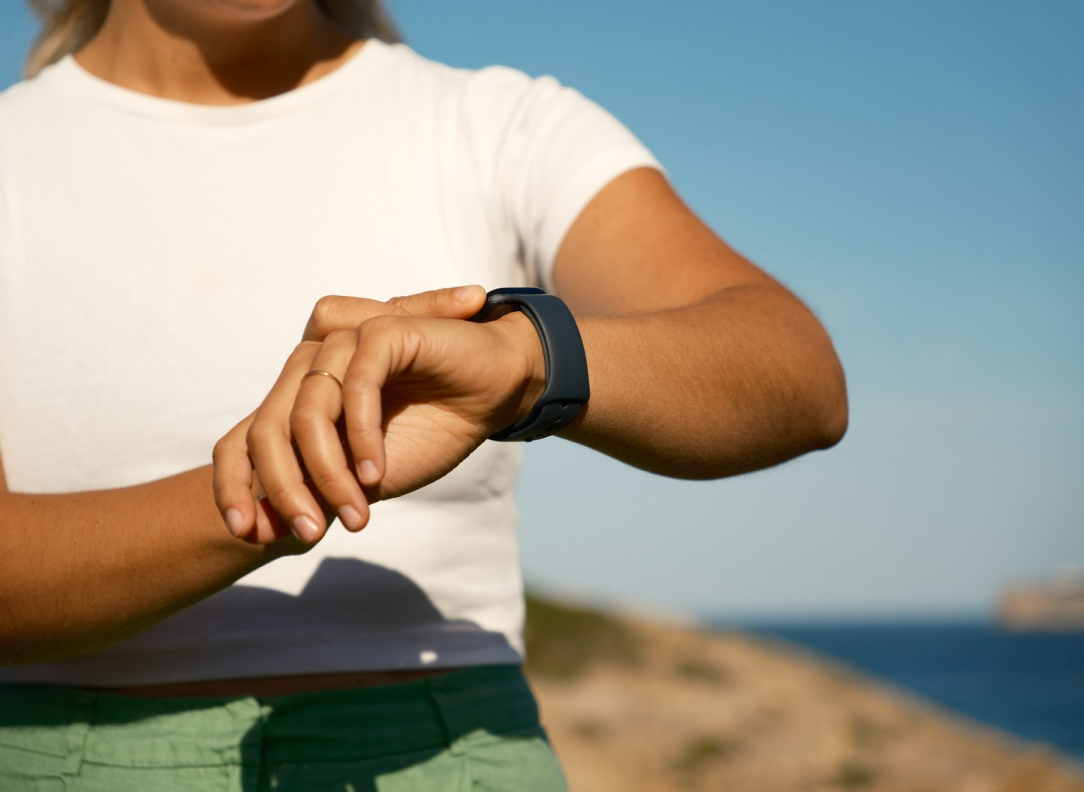
Daniel J. Schwarz/Unsplash
You Should Know: October is Menopause Awareness Month, and wearable tech is finally paying more attention to midlife women. Apple’s Health app now lets users track perimenopause and menopause symptoms, including hot flashes, night sweats, and sleep changes. Oura’s Menopause Insights organizes symptoms across seven categories, while WHOOP offers a space to log menopause stages and compare symptoms with sleep and recovery data.
Going Deeper: Wearable devices measure useful clues, yes; but they don’t truly capture the reality of menopause. Skin temperature, resting heart rate, heart-rate variability (HRV), and sleep patterns may point to menopause, but they don’t measure hormone levels. You’ll still need to log symptoms yourself and consult a doctor to make connections.
That said, it’s not all for naught. One small study, for example, found that menopause apps helped participants understand their symptoms and feel more confident discussing them with health care providers. But the study was small, and researchers still need stronger evidence that these tools improve outcomes.
Takeaway: Trackers may help you connect habits and symptom patterns, giving you concrete information to bring to your doctor.
Bottom Line: Wearables can be helpful, but remember that correlations aren’t proof of cause, and no wearable replaces medical advice.