Why Winter Can Make Menopause Symptoms Feel Worse

All Healthy Design Studio
You Should Know: October is Menopause Awareness Month, which happens to align with the temperatures dropping. For many women in perimenopause and menopause, moving into the fall and then winter can make symptoms harder to manage. Falling estrogen changes how your body handles heat, and darker days can bring low mood and disrupted sleep on top of everything else.
Going Deeper: Hot flashes start in the brain when the drop in estrogen triggers cells in the hypothalamus to become overactive and trigger the body to flush or sweat even when you aren’t overheated. Winter can worsen this problem, since temperature changes can be uncomfortable: Moving from cold outdoor air into a heated room or bundling up in layers may make it harder to regulate body temperature when you’re already prone to hot flashes. Researchers say hormones’ effect on how we handle cold temperatures is still understudied.
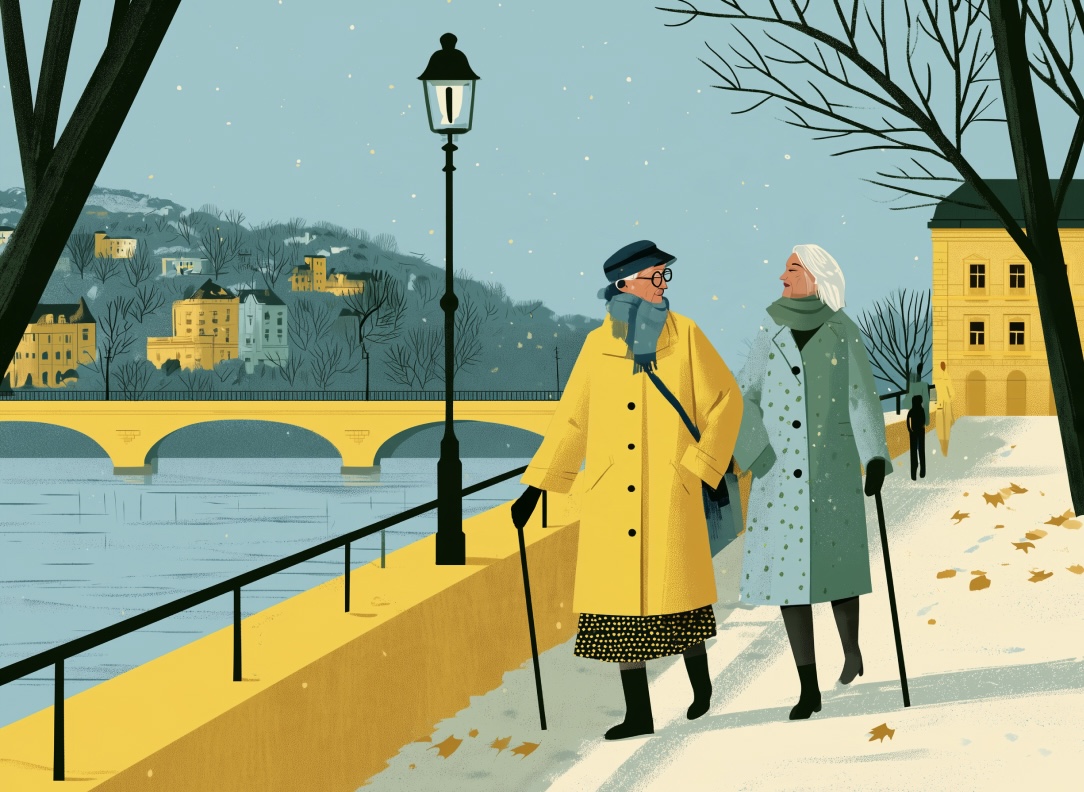
Takeaway: Manage menopause symptoms in winter by wearing breathable layers you can peel off fast. Getting enough vitamin D and getting outside for some daylight when you can (or using a light therapy lamp) can support overall health and may help with seasonal mood changes and sleep disruptions.
Bottom Line: Winter can make menopause symptoms feel heavier, but adding a few small habits can help you stay comfortable until spring.