
Can Intense Exercise Improve Your Gut Health?

Intense exercise can feel like the enemy of a happy gut — but research suggests the right mix of hard and easy training can actually help.
If you’ve ever been halted mid-run to search for the nearest bathroom — you know, “runner’s gut” — you may assume hard exercise is the last thing your microbiome wants. And with gut health conversation dominated by fiber and probiotics, exercise doesn’t often get credit for good gut health. But in reality, active people tend to have more diverse gut microbiomes than sedentary ones, and it turns out the intensity of your workouts may shape your gut in ways worth understanding. But what you really need to be asking is which kind of movement, and how much.
What You Should Know About Exercise and Your Gut
Active people generally have richer, more varied gut microbiomes than people who don’t move much, but not all exercise affects the gut the same way. A study in the Journal of the International Society of Sports Nutrition found that the right combination of hard and easy training, plus solid nutrition, can really benefit the gut. So the real question isn’t whether to exercise for your gut, but rather, how you should do it.
Going Deeper: What the Research Found
When gut bacteria ferment fiber, they produce short-chain fatty acids, or SCFAs — compounds that lower the pH of your gut so it’s less hospitable to harmful bacteria, fuel the cells lining your colon, support immune function, and help keep the gut wall sealed so less of what belongs in your intestines leaks into your bloodstream and drives inflammation. More fiber generally means more SCFAs, and a more resilient gut.
To see where exercise fits in, researchers collected stool samples from 23 elite rowers across two training phases — one high-intensity, one low — and tracked how their microbiomes worked. During the harder block, the rowers had more frequent bowel movements and significantly higher levels of two beneficial SCFAs, propionate and butyrate.
When you work hard, your muscles produce lactate, which travels through the bloodstream to the gut where certain resident bacteria can put it to work, fermenting it into short-chain fatty acids like butyrate and propionate. A byproduct of hard effort then becomes fuel for the microbes that keep your gut healthy.
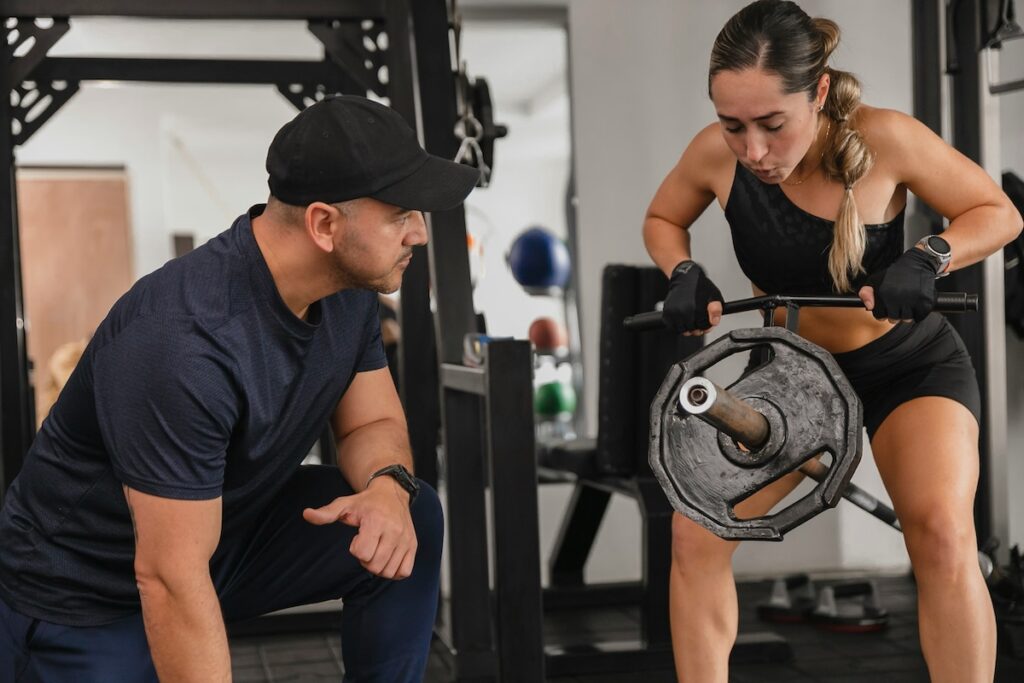
During heavy training, the rowers’ microbial diversity actually dipped (even as their bacterial balance looked better) to a lower ratio of Firmicutes to Bacteroidota bacteria, which is a sign linked to better gut health in athletes. So hard training seemed to build a more active gut environment even as diversity dropped off. Researchers note that what drives these changes as well as if they’re all good changes still needs further research though.
That doesn’t mean intense exercise always feels good to the gut while you’re doing it — which you completely understand if you’ve ever experienced that “runner’s gut” we were talking about earlier. During hard workouts, your body reroutes blood toward your working muscles and away from your digestive tract. With less blood flow, the gut lining temporarily gets less oxygen, which allows tiny gaps to open in the intestinal wall — which means food rushes through faster than usual. That combo of reduced blood flow and faster transit through a temporarily weaker gut barrier is what causes runner’s gut. Heat and pre-race nerves or anxiety can add to the issue — plus you’ll need to factor in what you ate beforehand, of course.
The Takeaway
To reap the gut health benefits from exercise, focus on duration rather than all-out intensity, and mix harder days with easier ones — the tough sessions increase SCFAs, while easy days give your microbiome more time to work and build diversity. Pay attention to your nutrition even on rest weeks, and keep the fiber and water coming, since fiber is what your bacteria turn into SCFAs. But if you’ve got a hard race ahead, cut back on the high-fiber foods about three hours before to dodge mid-workout GI upset. For everyday fiber, go for resistant starches like potatoes and bananas, plus broccoli, whole grains, beans, and oats.
Bottom Line
Exercise shapes your microbiome, and SCFAs offer solid benefits — research even links them to lower risk of conditions like Type 2 diabetes, hypertension, chronic kidney disease, and colon cancer. But the rower study is small and specific, overall microbial diversity dropped during hard training, and scientists want more data before dubbing any distinct pattern the best. But moving your body in a smart mix of hard and easy is a favor to your gut (not to mention those leg and lung benefits you’re getting on top of that).