8 Things Dentists Wish You’d Stop Doing to Your Teeth

There are a handful of everyday habits and DIY hacks that chip away at enamel that never grows back. Here’s what dentists want you to rethink.
You’re probably pretty good at basic dental upkeep— brushing twice a day and flossing (hopefully, most days). But even those who are diligent with their dental hygiene pick up a few not so great habits, like the all-day sipping and the intense scrubbing. Dentists see the consequences at your semi-annual cleanings, and what’s frustrating is that most of the damage is totally preventable if you have the knowledge. And that knowledge is important because once your enamel wears away, it doesn’t grow back. Below are eight habits worth reconsidering, plus an easy swap for each.
What You Should Know
Preventing dental damage is the name of the game. Enamel (the hard outer layer of your teeth) doesn’t grow back, so once it’s eroded or chipped, it’s just gone, which makes protecting it far easier than repairing it. None of this is about being perfect, but a few small changes can save you both money and discomfort down the line.
Going Deeper: 8 Habits to Rethink
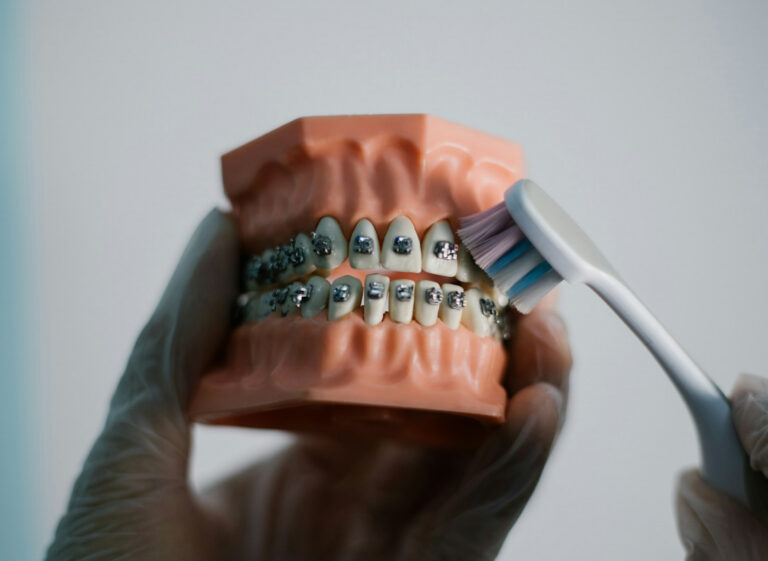
- Skipping floss. Your toothbrush doesn’t get what’s in between your teeth, so plaque and food remnants collect there and can cause both cavities and gum disease. A small portion of adults floss daily (kudos to you if you’re one of them), but plenty never floss. If threading string through your teeth isn’t in the cards for you, there are other options that will get the job done — interdental brushes or a water flosser clean those gaps just as well, and they’re easier if you have limited mobility in your hands.
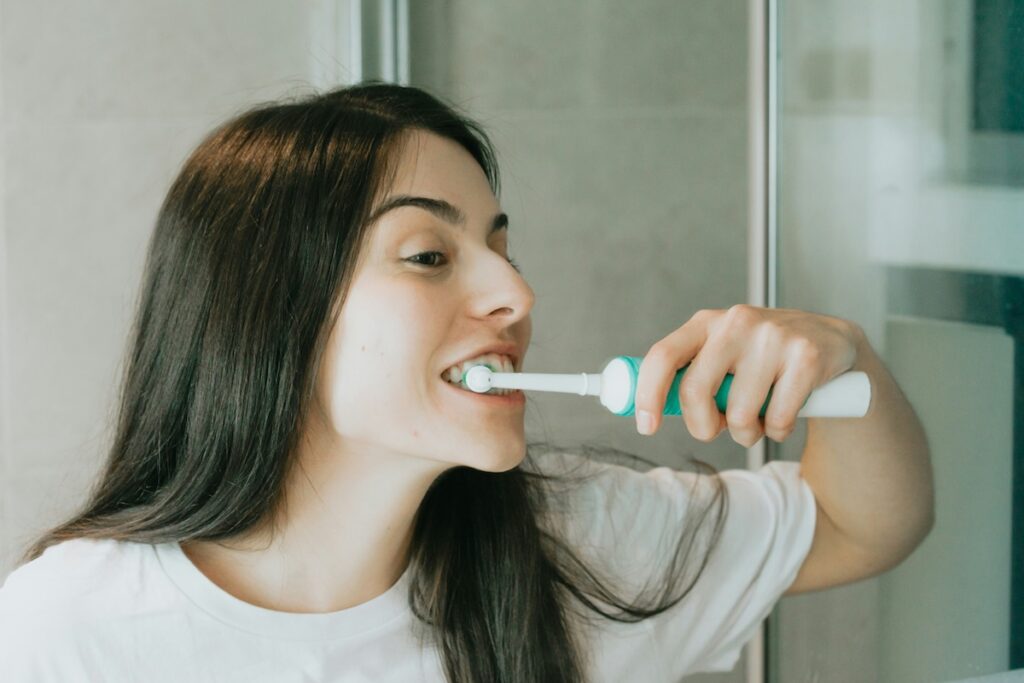
- Brushing too hard. Going at your teeth like you’re scrubbing the grout in your shower will actually do more harm than good. Hard brushing wears down enamel and can even lead to receding gums. So the advice here: cool it. Use a soft-bristled brush held at a 45-degree angle and move in small gentle circles through your mouth. If you use an electric brush, let it do the work without adding extra pressure.
- Sipping sugary or acidic drinks all day. Nursing a soda, wine, sports drink, juice, energy drink, or sweet coffee for hours coats your teeth in acid that wears enamel. Drink these drinks with a meal rather than over the course of an entire afternoon or morning, and rinse with water to wash away some of the acid that remains.
- Grazing all day. Same goes for constant snacking. Every time you eat — especially carbs and sugar — the bacteria in your mouth produce acid. Give your mouth breaks between meals so your saliva can neutralize the environment. If you do snack, rinse with water when you’re done, or wait about 30 minutes before brushing, since brushing right away can scrub softened enamel.
- Using your teeth as tools. Your teeth are built for chewing food and that’s it. This may sound redundant to some, but you really should not be using them to open bottles or tear into packaging as it can crack or fracture a tooth (sometimes deep enough to reach the nerve and push you into root canal territory). Keep a real bottle opener on your keychain and scissors nearby instead of using your teeth as a tool.
- Chewing ice and biting your nails. Ice is hard enough to crack a tooth, and nail-biting chips and wears down your front teeth over time. If you’re a cruncher or a biter, keep your nails short and chew sugar-free gum when that urge hits.
- DIY dental work. Filing your own teeth with a nail file, getting “veneers” from anyone who isn’t a licensed dentist, or whitening with baking soda, hydrogen peroxide, or charcoal can cause permanent damage — chemical burns, brutal sensitivity, a thrown-off bite, and enamel erosion all won’t revert back. (Store-bought whitening strips used as directed are fine for most people, FYI.)
- Taking your dental advice from social media. Influencers may sound sure, but most of them don’t back their tips with evidence. A hack that’s fine for one mouth can absolutely wreck another mouth. Before you try a viral dental trend, please ask an actual dentist.
The Takeaway
In general, these are pretty small fixes almost anyone can handle. Sip with meals, brush gently, keep a real bottle opener within reach, and let a water flosser clean out what’s left. None of these are huge moves, but add them up, and your healthy smile will last a lot longer than most.
Bottom Line
This really isn’t groundbreaking. In fact, you’ve probably heard a lot of these things from your own dentist over the years. But your mouth is your mouth, so asking how often to floss or whether whitening is right for you are definitely worth bringing up at an appointment with a dentist who knows your mouth and can tailor the advice to you personally.