High-Protein Lunch Ideas That Pack 25 Grams or More

These easy, high-protein lunch ideas deliver at least 25 grams per serving and include meal-prep, no-cook, vegetarian, and meat-based options.
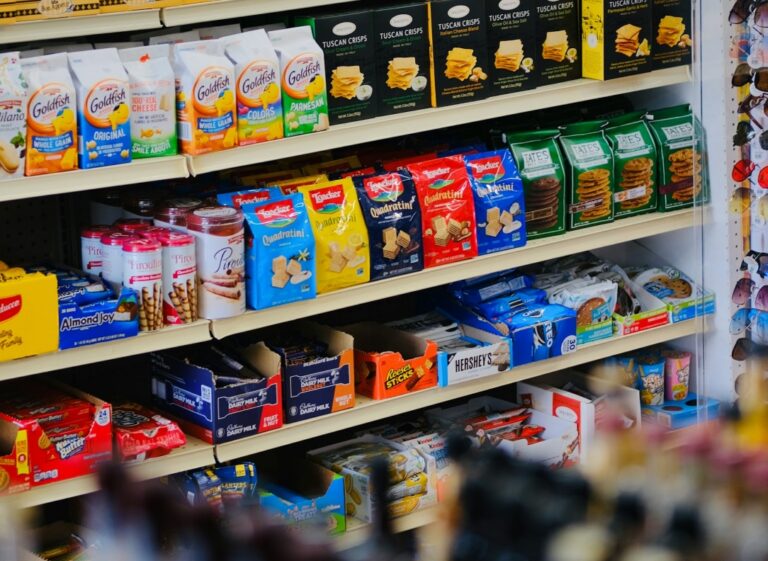
Protein is hot right now. Look no further than the hordes of companies pumping out protein-fortified pasta, popcorn, cereal, granola, cookies, and even toaster pastries. These beefed-up grocery store shelves are simply a response to what people want. And they. Want. Protein.
There’s good reason for the enthusiasm, too. Protein helps build and maintain muscle and also plays essential roles throughout the body. But getting more of it doesn’t require radically overhauling your diet or stuffing your cabinets with highly processed foods. The high-protein lunch ideas below are fresh, easy to make, built mostly from whole foods, and designed to keep you full through the afternoon. Join the protein craze, but do it your way.
TL;DR
A solid high-protein lunch usually provides about 25 to 35 grams of protein. The easiest approach pairs a protein anchor with vegetables, fiber-rich carbs, and a sauce that carries the flavor. High-protein lunch meal prep works best when you prep components instead of finished meals, so the same ingredients become a grain bowl one day and a wrap the next.
Key Takeaways
- A high-protein lunch generally provides about 25 to 35 grams of protein, though individual needs vary.
- Building each meal around chicken, fish, tofu, eggs, beans, Greek yogurt, or another protein anchor simplifies the process.
- Make-ahead and no-cook options make high-protein lunches easier to maintain on busy days.
- Pairing protein with fiber-rich foods can help make lunch more filling and satisfying.
- High-protein lunch meal prep is easier when you batch-cook components — a protein, a grain, chopped vegetables, and a sauce — instead of assembling five identical containers.
8 High-Protein Lunch Recipes
You don’t need to eat an entire rotisserie chicken to get a meaningful amount of protein at lunch. Unless you’re really YOLO-ing your way through life — which, no judgment — you’re probably already eating some protein at breakfast, lunch, and dinner. Adding a few more ounces of a protein-rich food, keeping calorie-dense extras in check, and increasing the volume of vegetables can turn an ordinary lunch into one that is higher in protein, moderate in calories, and more filling.
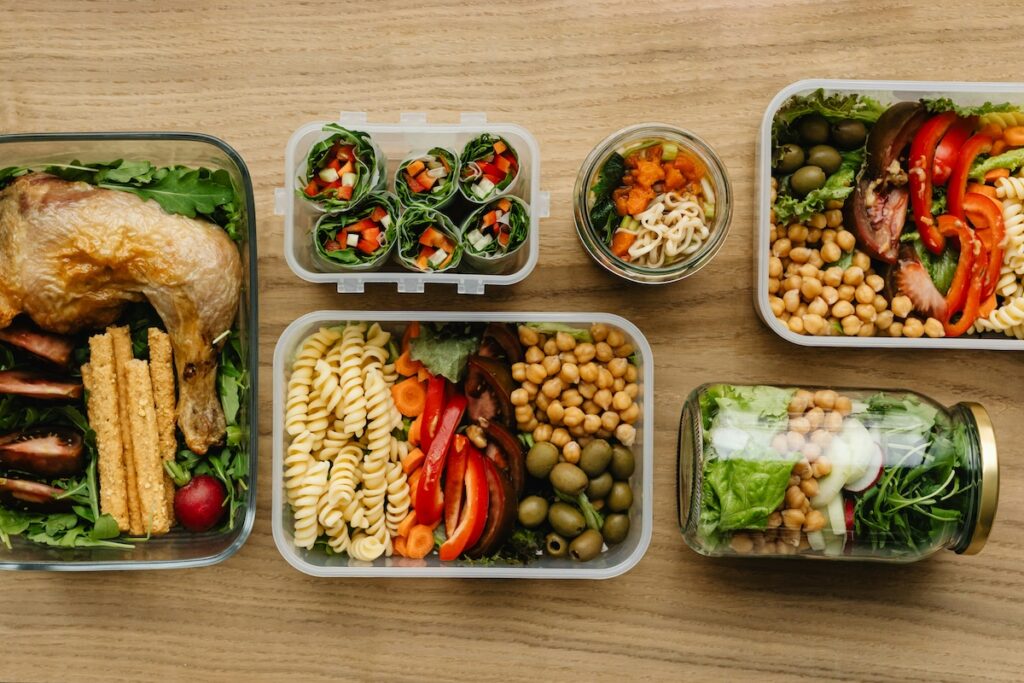
Simple tweaks add up, and eating healthier, protein-heavy meals doesn’t require sacrificing flavor or portion size. Case in point: Each of the eight lunches below provides more than 25 grams of protein and covers a different flavor profile. They can also be made ahead of time, packed for lunch on the go, or quickly reheated for a meal that’s ready in less than five minutes.
Veggie-Heavy Chicken Noodle Soup
Estimated calories: 425
Estimated protein: 45 grams
Estimated fiber: 9 grams
- Heat 2 cups of reduced-sodium chicken broth in a saucepan and add 2 cups of chopped vegetables, such as carrots, celery, zucchini, spinach, or green beans.
- Simmer the vegetables for 8 to 10 minutes, or until they begin to soften.
- Stir in 4 ounces of cooked, shredded chicken breast and ½ cup of cooked egg noodles. Continue cooking until everything is heated through.
- Season the soup with black pepper, garlic, thyme, parsley, and a squeeze of lemon juice. Add extra broth or water if you prefer a thinner, higher-volume soup.
Tilapia and Slaw Tacos
Estimated calories: 525
Estimated protein: 50 grams
Estimated fiber: 6 grams
- Season 6 ounces of tilapia with salt, pepper, garlic powder, and chili powder, then air-fry or pan-cook it until the fish flakes easily with a fork.
- Warm three small flour tortillas in the microwave for about 10 seconds or briefly heat them in a dry skillet. High-fiber, lower-calorie tortillas can reduce the calorie count and add more fiber.
- Spread each tortilla with about 1 tablespoon of light sour cream or plain Greek yogurt. Divide 1 cup of pre-shredded broccoli slaw and ¼ cup of shredded Mexican-style cheese among the tortillas.
- Break the cooked tilapia into bite-sized pieces and divide it evenly among the three tacos. Finish with lime juice, hot sauce, cilantro, or sliced jalapeño, if desired.
Chickpea Salad Wrap
Estimated calories: 500
Estimated protein: 26 grams
Estimated fiber: 17 grams
- Add ¾ cup of drained and rinsed chickpeas to a bowl, then lightly mash them with a fork, leaving some whole for texture.
- Stir in ⅓ cup of plain nonfat Greek yogurt, 1 teaspoon of Dijon mustard, a squeeze of lemon juice, and salt and pepper to taste.
- Fold in ¼ cup each of diced celery, shredded carrots, and chopped cucumber. Add fresh herbs, red onion, or a pinch of paprika for more flavor.
- Spoon the chickpea salad into a large high-protein or high-fiber wrap, add a handful of spinach or mixed greens, and roll it tightly before serving.
Tofu Stir-Fry Over Rice
Estimated calories: 575
Estimated protein: 41 grams
Estimated fiber: 15 grams
- Press 6 ounces of extra-firm tofu to remove excess moisture, then cut it into cubes. Toss the tofu with 1 teaspoon of cornstarch, garlic powder, and a small splash of reduced-sodium soy sauce.
- Air-fry or pan-cook the tofu until browned. If using a skillet, coat it with cooking spray rather than pouring in oil.
- Cook 2 cups of mixed vegetables, such as broccoli, bell peppers, mushrooms, carrots, and snap peas. Add ½ cup of shelled edamame and return the tofu to the pan.
- Toss everything with reduced-sodium soy sauce, rice vinegar, garlic, ginger, and 1 teaspoon of sesame oil. Serve over ½ cup of cooked rice.
Lean Beef Burger
Estimated calories: 440
Estimated protein: 37 grams
Estimated fiber: 8 grams
- Shape 4 ounces of 96-percent lean ground beef into a patty and season both sides with salt, pepper, garlic powder, and smoked paprika.
- Grill or pan-cook the burger until it reaches your preferred doneness.
- Place the burger on a whole-wheat bun and top it with one slice of reduced-fat cheese, lettuce, tomato, onion, pickles, and mustard.
- Serve it with a simple side salad made with 2 cups of greens and chopped vegetables. Use vinegar, lemon juice, or a light dressing to keep the calories down.
Lighter Chicken Caesar Salad
Estimated calories: 470
Estimated protein: 52 grams
Estimated fiber: 7 grams
- Season 5 ounces of chicken breast with salt, pepper, and garlic powder, then grill, bake, air-fry, or pan-cook it. Slice the cooked chicken into strips.
- Add 4 cups of chopped romaine lettuce to a large bowl with ½ cup of cherry tomatoes or another vegetable of your choice.
- Toss the vegetables with 2 tablespoons of light Caesar dressing, 2 tablespoons of grated Parmesan, and ⅓ cup of whole-grain croutons.
- Place the sliced chicken over the salad and finish with fresh-ground black pepper (if available) and a squeeze of lemon juice.
Turkey Sandwich
Estimated calories: 455
Estimated protein: 47 grams
Estimated fiber: 10 grams
- Lay out two slices of whole-wheat bread and spread each with 1 tablespoon of hummus.
- Layer 5 ounces of sliced roasted turkey breast onto one slice of bread. Add one slice of reduced-fat cheese.
- Top the turkey with lettuce, tomato, cucumber, red onion, or banana peppers. Add mustard, black pepper, or dried herbs for more flavor.
- Close the sandwich and serve it immediately, or wrap it tightly and refrigerate it for a make-ahead work lunch.
Savory Cottage Cheese Bowl
Estimated calories: 395
Estimated protein: 27 grams
Estimated fiber: 5 grams
- Spoon 1 cup of 2-percent cottage cheese into a bowl.
- Top it with ½ cup of chopped cucumber, ½ cup of cherry tomatoes, and ¼ cup of diced bell pepper.
- Add fresh herbs, sliced scallions, cracked pepper, everything seasoning, or red-pepper flakes. Drizzle with 1 teaspoon of olive oil.
- Serve the bowl with six small whole-grain crackers for crunch and additional fiber.
How to Build a High-Protein Lunch From Scratch
First, it helps to understand how much protein you need, since “high protein” is relative to your body size, activity level, and goals. The current Dietary Guidelines for Americans recommend roughly 0.55 to 0.73 grams of protein per pound of body weight per day, with active adults generally aiming toward the upper end of that range. For a 180-pound person, that works out to about 99 to 131 grams daily — or roughly 33 to 44 grams at each of three meals if divided evenly.
There’s plenty of debate about how much protein your body can use in one sitting, but protein intake does not need to stop at 35 grams per meal. Total calorie intake is the biggest dietary factor in weight management, while consuming enough protein across the day helps support or preserve muscle mass, particularly while you’re trying to lose weight. So don’t fret over whether lunch contains 25 or 50 grams of protein: The extra protein isn’t simply wasted. Focus first on consistently meeting your overall protein and calorie targets.
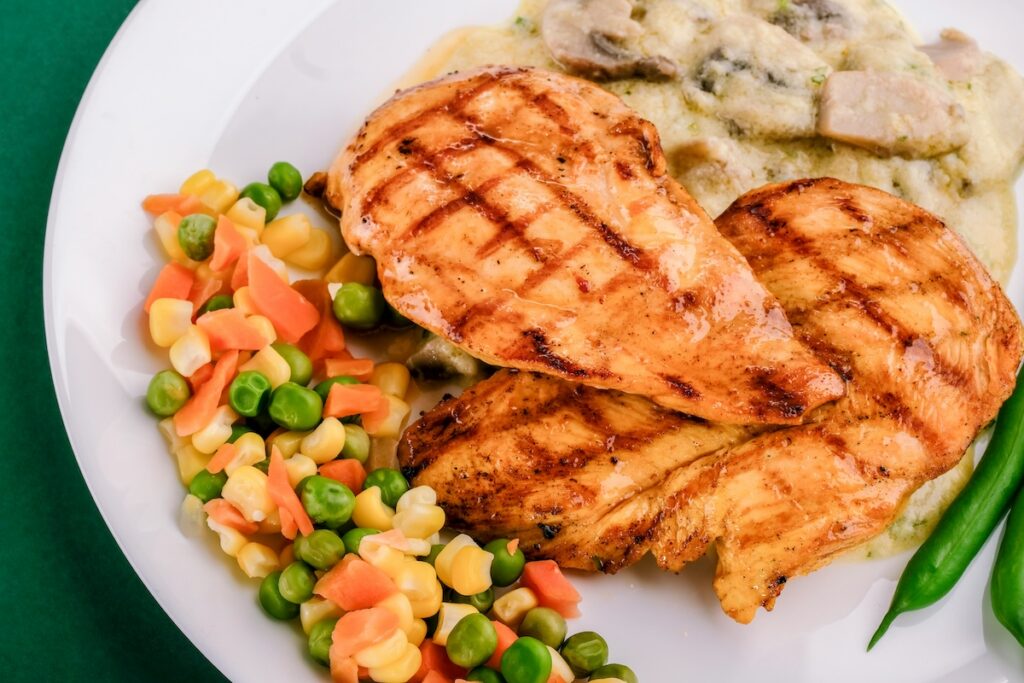
That said, here are some simple ways you can build your own protein-forward meal:
- Anchor your meal with protein. Since protein is the star of the dish, choose a primary source — such as chicken, fish, lean beef, eggs, tofu, beans, or Greek yogurt — and build the rest of the meal around it. Four to six ounces of cooked meat or fish will generally provide at least 25 grams of protein, but amounts vary more widely among plant-based foods, so check the nutrition label when necessary.
- Focus on fiber next. Fiber doesn’t just make a meal more filling; higher fiber intake is also associated with a lower risk of chronic disease and premature death. Men age 50 and younger should generally aim for 38 grams per day, while women should aim for 25 grams. Add one or two fiber-rich foods — such as vegetables, beans, whole grains, seeds, or fruit — to your lunch.
- Add flavor and a little fat. People often put food into two categories: “healthy” meals that taste like grass and meals they actually enjoy. Seasonings, herbs, citrus juice, hot sauce, salsa, mustard, and vinegar add plenty of flavor for a few calories. A measured portion of olive oil, avocado, cheese, nuts, seeds, or dressing can make the meal more satisfying without unknowingly doubling its calorie count.
- Use simple protein math. Start with approximately 25 grams from your main protein source, then stack smaller amounts from the rest of the meal. For example, chicken may provide 25 grams, a whole-grain wrap another 6 grams, and hummus another 2 grams, bringing the total to over 30 grams.
- Prepare components instead of complete meals. Cook a batch of protein, chop several vegetables, and prepare a grain or bean at the beginning of the week. You can then turn the same ingredients into a salad, wrap, bowl, or soup without eating an identical lunch every day.
Frequently Asked Questions
Aim for between 25 to 35 grams of protein, though the right amount depends on your body size, activity level, and total daily goal. Larger, more active people may need more. What’s crucial is that you meet your overall protein target consistently across the day.
A turkey sandwich, chicken Caesar salad, cottage cheese bowl, or chickpea wrap can all work well for the office because they are easy to prepare and transport. Start with a substantial protein source, then add vegetables and a fiber-rich carbohydrate to make the meal more filling and balanced.
Choose lunches that pair lean protein with high-volume, fiber-rich foods, such as chicken soup, fish tacos with slaw, tofu and vegetables, or a large salad topped with chicken. Protein can improve fullness and help preserve muscle, but weight loss still depends on maintaining a calorie deficit over time.
Yes. Tofu, tempeh, edamame, lentils, beans, eggs, Greek yogurt, and cottage cheese can all serve as the main protein source in a meatless lunch. Combining foods, such as tofu with edamame or chickpeas with a high-protein wrap, makes it easier to reach 25 grams or more.
Prep components instead of finished meals. Batch-cook a protein and a grain, chop sturdy vegetables, and make one sauce, then combine them differently each day. Most cooked proteins and grains keep three to four days refrigerated, so freeze anything you’re saving for the end of the week.
Bottom Line on High-Protein Lunch Ideas
A high-protein lunch doesn’t need to be complicated. Start with a substantial protein source, add fiber-rich vegetables or whole grains, and plan ahead so the meal is easy to grab when hunger hits. That simple formula can help you stay fuller and avoid the midafternoon snack spiral. For more ideas, see our guide to getting enough protein or the highest-protein vegetables to round out your plate.
Experts Who Contributed
- Andrew Gutman, NASM-CPT, wrote this article.
- Lauren Keary, NASM-CNC, reviewed this article for accuracy.