Meet Bemotrizinol, the Sunscreen Filter Americans Have Waited Decades For

Bemotrizinol, a broad-spectrum UV filter that Europe and Asia have used for decades, just became the first new sunscreen ingredient the FDA has permitted in more than 20 years.
Sunscreen obsessives have been asking for bemotrizinol by name for years, and the FDA finally said yes. Last month, the agency cleared its first new sunscreen filter in more than two decades — an ingredient that’s been standard in sunscreens across Europe and Asia since 1999. If you’ve ever come home from a trip abroad wondering why the sunscreen there felt so much nicer than anything in the U.S., you’ll want to read on.
What You Should Know About Bemotrizinol
On June 9, 2026, the FDA added bemotrizinol to its list of permitted sunscreen active ingredients — the first new compound to make the list in more than 20 years. Bemotrizinol is a UV filter, which is a chemical that absorbs the sun’s ultraviolet rays before they can damage your skin.
Here’s what sets it apart. Most chemical filters available in the U.S. protect against either UVA or UVB rays, so manufacturers blend several to cover both. Bemotrizinol is broad-spectrum all on its own. And that matters because the two types of rays do different damage: UVA rays drive premature aging and wrinkles, while UVB rays are the main cause of sunburn, according to the American Academy of Dermatology. But both increase your skin cancer risk, per the Skin Cancer Foundation.
Bemotrizinol is also highly photostable — it doesn’t fall apart in sunlight the way many chemical filters do, according to scientists at the Environmental Working Group, so its protection holds up while you’re actually out in it. And FDA data shows low absorption through the skin into the body — a sticking point for some older chemical filters.
Going Deeper on Why This Matters
American sunscreens are known to come up short on UVA protection. Mineral formulas with zinc oxide cover both types of rays but tend to leave a white cast, and among U.S. chemical filters, good UVA coverage has been hard to come by. That gap is exactly what advocates spent years pushing the FDA to close.
The Environmental Working Group, which has urged the agency to permit bemotrizinol since 2019, celebrated the decision:
“This is a great day for American consumers and everyone who has fought to improve sunscreen options and close the UVA protection gap in U.S. sunscreens,” said David Andrews, Ph.D., chief science officer at EWG, in a statement.
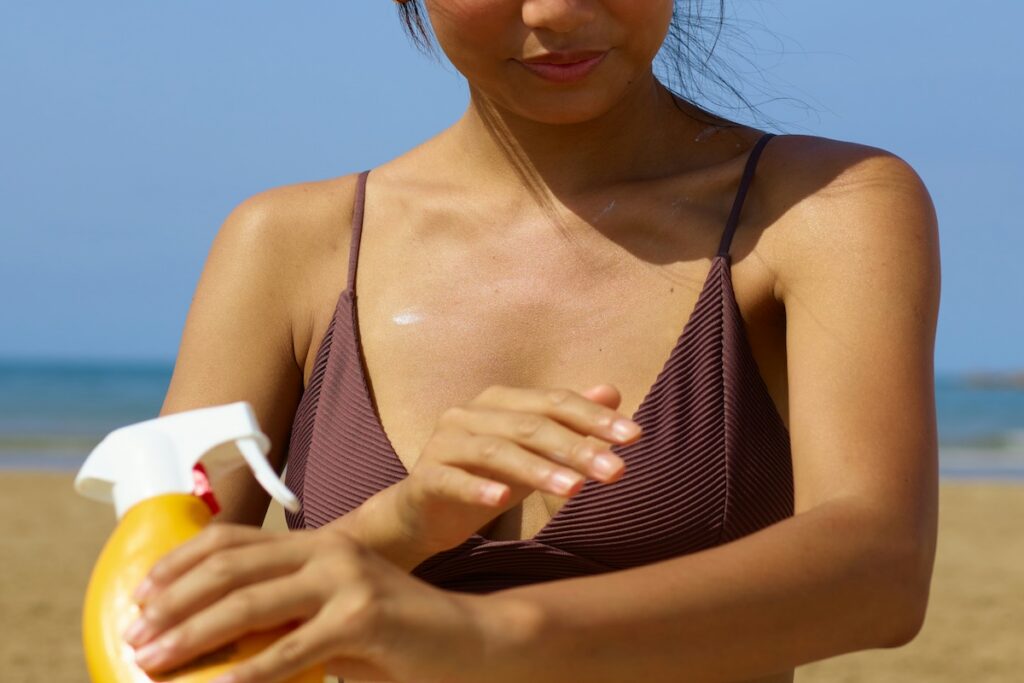
A little perspective before you hit the sunscreen aisle though: this approval covers the ingredient, at concentrations up to 6% and for adults and children 6 months and older, per the FDA. Sunscreens made with bemotrizinol are expected by the end of the year, according to ingredient manufacturer DSM-Firmenich, as reported by NBC News.
The Takeaway
If you’ve struggled to find a broad-spectrum sunscreen that feels good enough to wear every day, bemotrizinol is a promising addition — stronger UVA coverage in a more stable formula, minus the white cast of mineral options. Still, the oldest advice in dermatology stands: the best sunscreen is the one you’ll actually put on and reapply. Think of this as a welcome new option, rather than a must-switch.
Bottom Line
The FDA considers bemotrizinol safe and effective — it covers UVA and UVB in a single photostable ingredient, it barely absorbs into the body, and it has decades of real-world use abroad. What’s still TBD is which U.S. brands will use it and when those bottles will actually reach shelves. Until then, your current SPF routine — and the reapplying that comes with it — still gets the job done.