Does Lymphatic Drainage Actually Work? What It Can and Can’t Do

Lymphatic drainage techniques promise to flush toxins and depuff. But here’s where it can help, and what’s just really good PR.
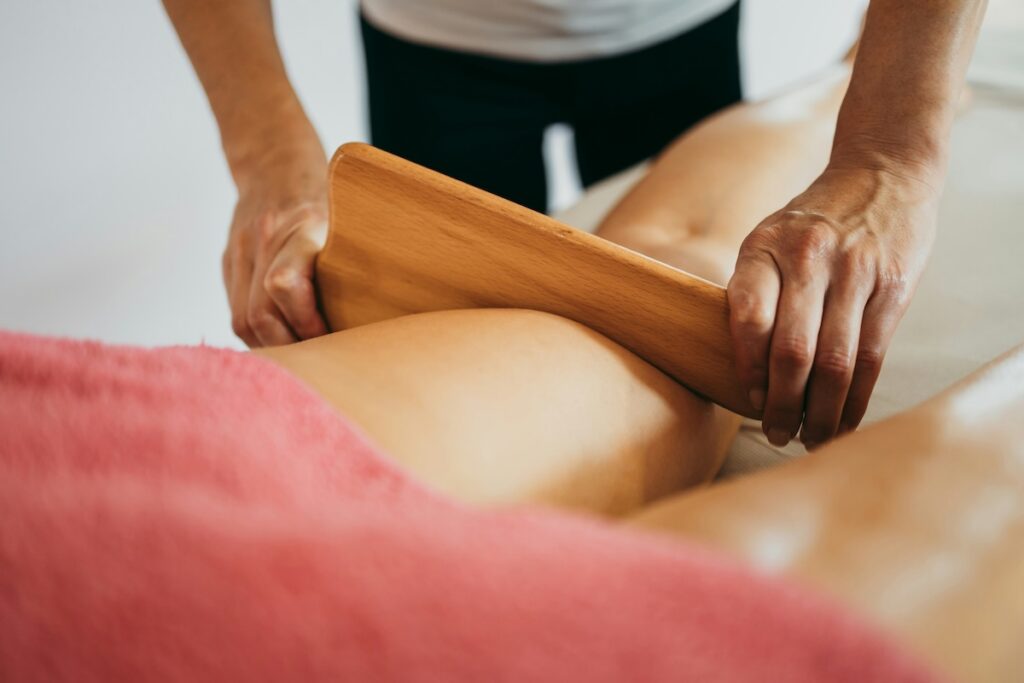
If beauty is in your algorithm at all, you’ve likely seen someone using a gua sha stone, or getting a lymphatic drainage massage and claiming it flushed out all their toxins. And you’ve probably seen the (albeit painful-looking) dry brushing technique using that big scratchy, bristled brush as well. What social media is selling is that our lymphatic system is backed up, and these tools unclog it, allowing you to depuff and drop a few pounds. It’s the kind of trendy wellness promise that with a second look, doesn’t actually hold true (like the dopamine detox or your collagen routine). So does lymphatic drainage work at all? We’re here to tell you exactly what it can and can’t do for you.
What You Should Know About Your Lymphatic System
Your lymphatic system is basically your body’s cleanup crew. It’s a network of thin vessels and small nodes that carries lymph — a fluid packed with infection-fighting white blood cells — collecting excess fluid and waste from your tissues and draining it back into your bloodstream, per the National Cancer Institute. It even brings fat from your food into the bloodstream along the way. But it has no central pump the way your circulatory system has the heart, which means your muscles do all the work for you, and regular movement is what keeps your lymph system working.
There is an evidence-backed version of “lymphatic drainage” though that can be helpful. Manual lymphatic drainage (MLD) is a specialized massage technique done by trained therapists for people with lymphedema. Lymphedema is the persistent swelling that can follow cancer treatment when lymph nodes are removed or damaged.
A healthy lymphatic system isn’t clogged though, and it doesn’t need to be flushed with massage therapy. The toxin-clearing and weight-loss claims tied to at-home dry brushing and DIY facial massage are mostly not supported by evidence.
Going Deeper on What Actually Works
Even for the medical use case, the research isn’t fully there. A systematic review found that MLD alone doesn’t significantly reduce lymphedema, though it can add some benefit when coupled with compression and exercise, according to Cancer Research UK. When you get into the more sculpted face or fewer “toxins” claims that have nothing to do with a medical diagnosis, the evidence is much thinner.
In short, MLD helps manage diagnosed lymphedema, and everyday habits like moving your body, staying hydrated, eating well, and not sitting still for hours keep normal flow going. The idea that a cosmetic tool or therapy changes the amount of toxins in your body or helps with fat loss fails when you actually look at the science.
And if you argue that you really do see the depuff happening in the mirror, yes, you’re not hallucinating. But it’s mostly just fluid moved elsewhere rather than any sort of actual detox.
The Takeaway
You can move lymph fluid around to keep it away from places you don’t want to see it (like the face), and MLD does help people living with lymphedema. But a healthy body that’s getting good movement already drains itself (as it was built to do), so consider your gua sha stone or dry brush as more of a feel-good morning or evening ritual than a toxin detox.
Bottom Line
MLD can help manage lymphedema, but in healthy people the lymphatic system manages itself. The “toxin flushing” and weight-loss promises trending on social media are louder than the science. If they feel good, there’s no harm in gua-shaing your little heart out every morning — just know the depuffing you see in the mirror is only temporary while the fluid was moved elsewhere. And definitely get any lasting or unexplained swelling checked by your GP, especially during or after cancer treatment.