The Best Foods for Lung Health, According to Research

A 200,000-person study found that eating more fruit was tied to healthier lungs, even in polluted air.
When people talk about good lung health, smoking and exercise tend to dominate the conversation — food barely gets a seat at the table. But new research suggests the foods for lung health should be in the mix too — particularly fruit. With almost everyone on the planet breathing air that exceeds safe pollution limits, if the food on your plate can help your lungs in any way, it’s worth paying attention to.
What You Should Know About Diet and Your Lungs
Not smoking and staying active are usually top of mind when it comes to keeping your lungs healthy. People don’t often consider diet a factor in lung health, but it really should be. Air pollution drives oxidative stress in the body, and antioxidant-rich foods may help fight off some of it. But these foods are there to support lung function over time rather than undo serious damage. The question researchers asked, though, is if eating more produce can actually help your lungs fend off polluted air — here’s what they landed on.
Going Deeper on the Air Pollution Study
The research presented at the European Respiratory Society Congress used data from almost 200,000 participants in the UK Biobank. Researchers homed in on PM2.5, the tiny airborne particles from things like vehicle exhaust and industrial processes that travel deep into your lungs and cause inflammation. They looked at people’s consumption of produce and whole grains and compared it to their lung function, then noted how the numbers changed with different amounts of pollution exposure.
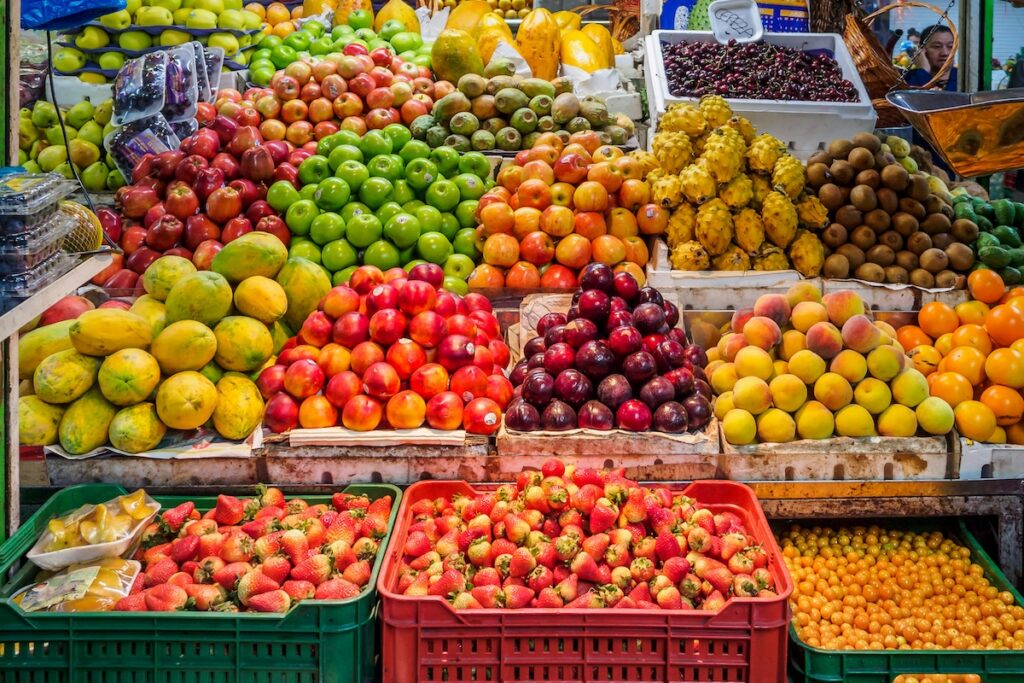
Fruit stood out the most of all the food groups the researchers studied. People who ate more fruit appeared to have healthier lung function, and among women specifically, those eating four or more servings a day saw smaller pollution-related drops in lung function than women who ate less. When PM2.5 sits in the lungs, it throws off the balance between free radicals and the antioxidants that neutralize them, and fruit is packed with these antioxidants. Vitamin C and plant compounds called flavonoids are basically the body’s cleanup crew, nixing free radicals before they have the chance to inflame tissue.
For context, the World Health Organization estimates that 99% of people worldwide breathe air exceeding its pollution limits. This is observational data, though, so it shows an association rather than proof. It doesn’t tell us that fruit alone protected anyone’s lungs.
The Takeaway
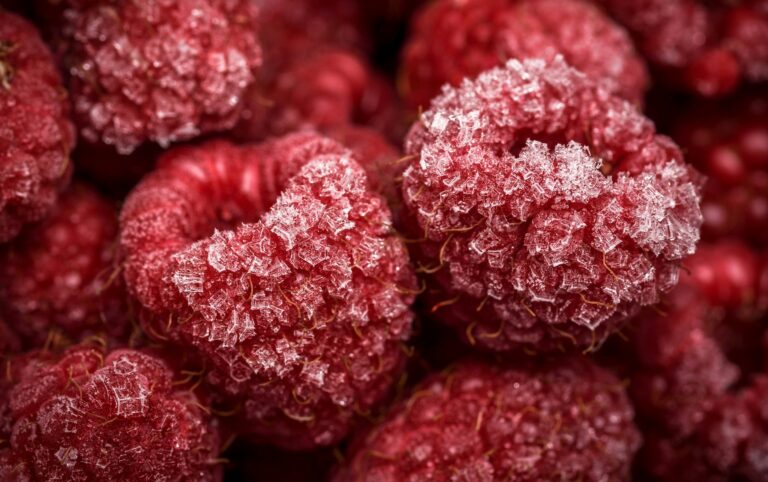
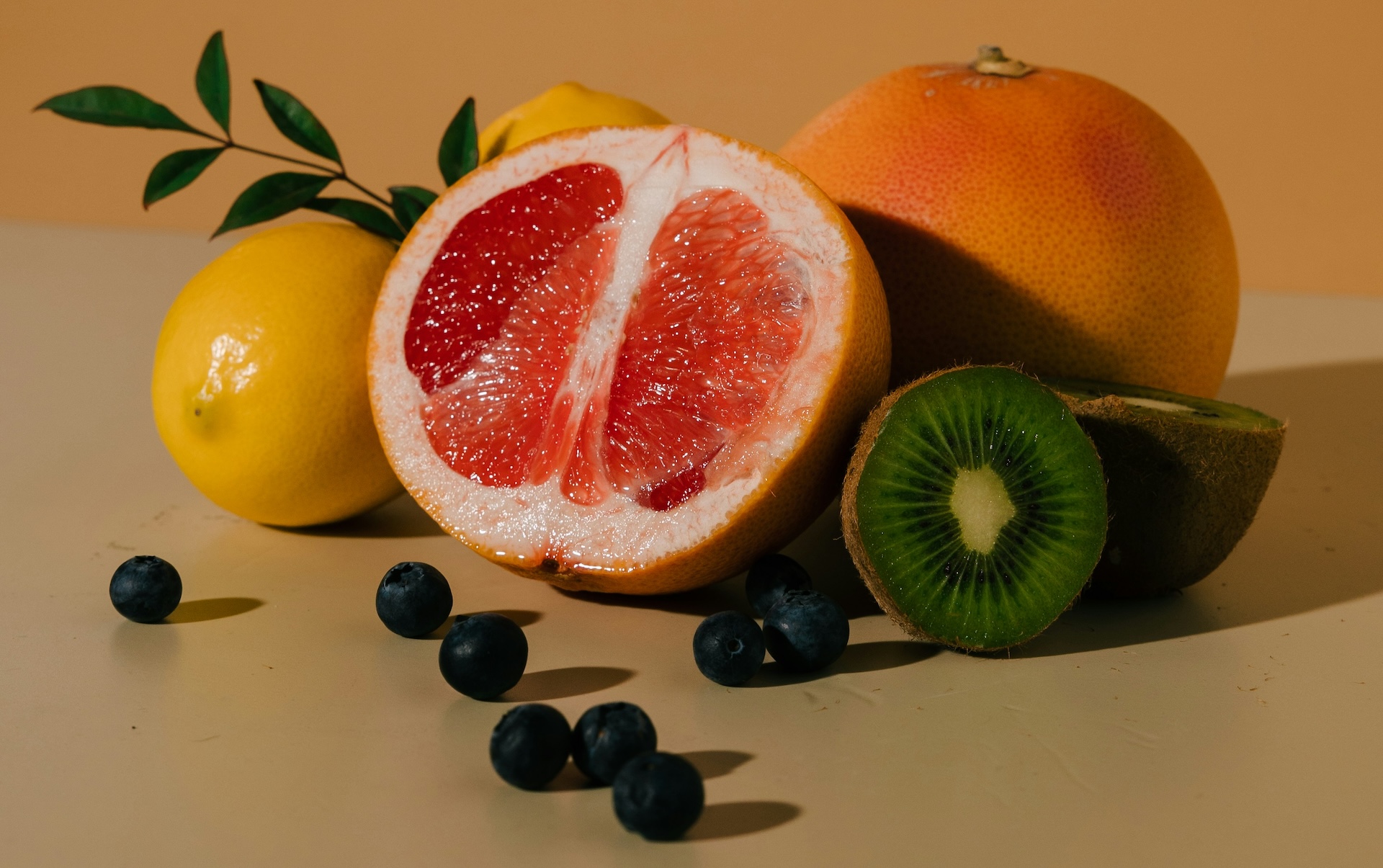
Research notes an antioxidant-rich, produce-forward diet may help support lung health amid everyday pollution. Aim for at least four servings of fruit per day, and mix colors so you get a range of antioxidants. Eating your fruit with healthy fats via things like nut butter or avocado helps, too, since fat-soluble antioxidants like carotenoids absorb better alongside a little fat. Think berries with breakfast, orange or lemon at lunch, an apple as an afternoon snack, and a kiwi post-dinner. Frozen fruit works also, and it’s typically harvested and flash-frozen when it’s peak ripe, which means you can eat it year-round instead of waiting for it to be in season.
Bottom Line
Diet quality is linked to lung function, even if we still aren’t sure whether or not food significantly offsets pollution exposure. This was an observational study, and just eating high-quality fruits won’t replace breathing cleaner air or finally quitting smoking. Treat fruit as a supportive habit, and over time, that choice may compound, especially if you spend a lot of time outdoors.