Is Hummus Low-Calorie?

Hummus isn’t exactly low-calorie, but that doesn’t mean it isn’t a healthy food choice.
For several years now, hummus has been a sort of health-food poster child, commonly served up as a smart snack recommendation alongside baby carrots and celery sticks. That said, its association with diet foods doesn’t necessarily mean that hummus is low in calories. Moreover, whether hummus is low-calorie isn’t the only important nutritional consideration when deciding whether it fits into your diet or eating plan.
So, is hummus healthy, or not? Keep reading to learn where hummus falls on the calorie spectrum, what other nutrition benefits it offers, and how to include hummus in your healthy eating plan.
TL;DR
Hummus isn’t considered a low-calorie food. It contains about 70 calories per 2 tablespoons, making it moderately calorie-dense. The calories in hummus come from tahini and olive oil, which supply healthy fats, alongside chickpeas, which offer satiating protein and fiber. Because it offers so many nutrients, hummus is a healthy choice even if it’s not low-calorie.
Key Takeaways
- Hummus isn’t low-calorie but moderate, with roughly 70 calories per 2-tablespoon serving.
- Many of the calories in hummus come from heart-healthy fats in tahini and olive oil.
- Hummus is nutrient-dense, offering plant protein and fiber that help you feel full, plus meaningful amounts of several vitamins and minerals.
- The exact nutrition facts of hummus vary depending on ingredients, flavor, and how it’s prepared.
What the Research Says About Hummus Calories and Nutrition
Before we dive in, a caveat: Hummus’ exact nutritional content will vary depending on which hummus you’re eating — for example, a restaurant dish, commercial store-bought hummus, or one you’ve made at home. Different preparation styles and flavors can affect which ingredients are in hummus, thereby influencing its calorie and nutrient content.
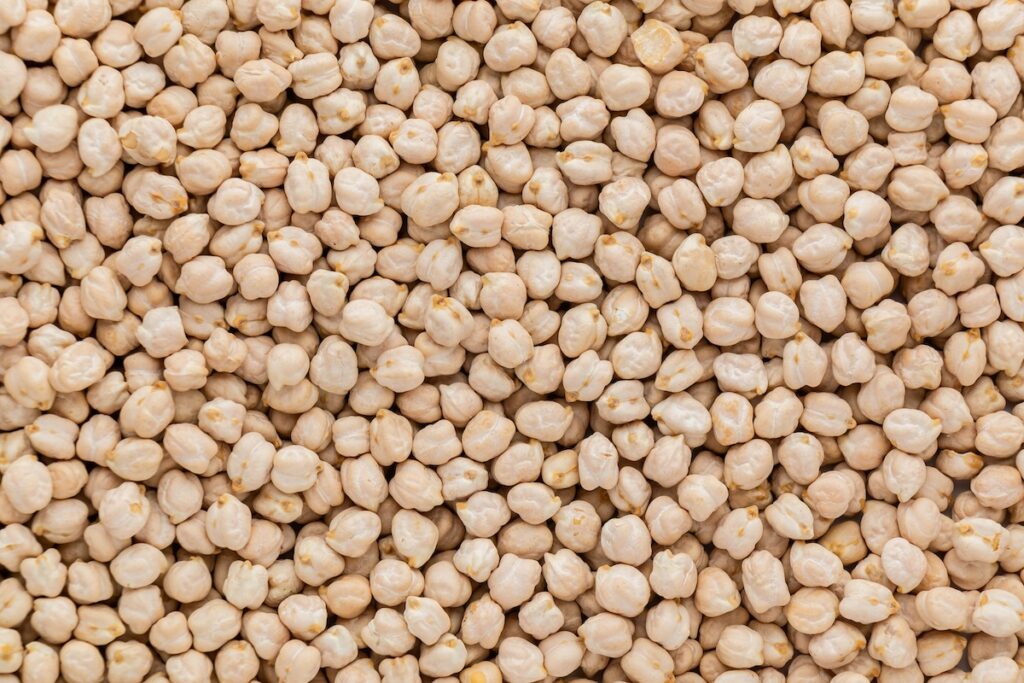
Generally speaking, hummus contains chickpeas (garbanzo beans), tahini (sesame butter), olive oil, lemon juice, and garlic, totaling about 70 calories, 2 grams of protein, 5 grams of fat, 4 grams of carbs, and 2 grams of fiber per 2-tablespoon serving. (That means hummus has about 35 calories per tablespoon.) Hummus also provides significant amounts of several vitamins and minerals, including iron, copper, magnesium, manganese, potassium, thiamin (vitamin B1), folate (vitamin B9), and vitamin K.
Overall, hummus is considered a healthy addition to most diets. It originated in the Middle East and Mediterranean regions, and continues to be a staple in both dietary patterns, which are linked to a lower risk of developing obesity, cardiovascular disease, type 2 diabetes, and several other chronic diseases. Similarly, observational studies have found that people who eat chickpeas and/or hummus tend to have healthier diets overall. You can’t pin all of those perks on hummus alone, but there’s reason to believe that it does play a role.
For one, research shows that eating legumes (i.e., beans and peas, including chickpeas) appears to be associated with lower cholesterol and blood pressure, better weight control, and improved blood glucose and insulin response. Chickpeas have protein, fiber, and resistant starch, which digest slowly and promote fullness while serving as fuel for beneficial gut bacteria.
The olive oil and tahini found in hummus also supply heart-healthy monounsaturated and polyunsaturated fatty acids, which are associated with improved cholesterol levels and may also support healthy glucose metabolism. Tahini is also rich in several antioxidants, including lignans and tocopherols, which may help protect against oxidative stress and inflammation, with emerging evidence suggesting potential benefits for blood pressure and other aspects of cardiometabolic health.
So while you might view hummus simply as an easy snack, know that you’re also getting a lot of powerful nutrients with every scoop.
Why Hummus Isn’t as Low-Calorie as It May Seem
With about 70 calories per two tablespoons, hummus is generally considered a moderate-calorie food. Under FDA regulations, a food can be labeled “low calorie” if it contains 40 calories or fewer for the Reference Amount Customarily Consumed (RACC). For hummus and other dips, that’s 2 tablespoons.
Why isn’t hummus low-calorie? It helps to understand what determines a food’s calorie count in the first place. Food gets its calories from the number of grams of macronutrients — carbohydrates, protein, and fat — it contains. Carbohydrates and protein both provide 4 calories per gram, while fat provides 9 calories per gram.
Because fat supplies the most calories per gram, foods higher in fat have a higher calorie density (i.e., the amount of calories contained in a given volume or weight of food). Foods like celery, watermelon, or cucumber, on the other hand, have very low calorie density because they contain few macronutrients and are mostly water. Weighing other snacks the same way? We’ve also looked at whether tofu is low-calorie.
So, what’s the deal with hummus? A typical hummus recipe contains chickpeas, garlic, lemon juice, tahini (sesame seed butter), and olive oil. By calories, chickpeas are roughly 65% carbohydrate, 21% protein, and 14% fat, while garlic and lemon juice are nearly calorie-free. Tahini and olive oil, however, are both high-fat foods, supplying 8 grams and 13.5 grams of fat per tablespoon, respectively, which increases the calorie density of hummus.
That relatively high fat content is why just a few scoops of hummus on your salad or dip plate might add up to more calories than you expect — but also why hummus likely keeps you satisfied after you snack. Fat, protein, and fiber all help slow digestion or gastric emptying, which can help to keep you feeling full.
In other words, calorie density is only one measure of a food’s nutritional value. Hummus is relatively calorie-dense, but it’s also nutrient-dense, supplying protein, fiber, unsaturated fats, and several important vitamins and minerals.
How Hummus Compares to Other Dips
Hummus might not be low in calories, but research shows it’s generally more nutrient-dense than other common dips and spreads. Here’s how it compares to some of your other potential favorites:
Hummus vs. Creamy Dips and Dressings: Hummus does provide about 5 grams of fat per 2 tablespoons, but it’s low in fat compared to creamy dips that have a mayonnaise, sour cream, cream cheese, or buttermilk base (such as ranch, blue cheese, French onion, or spinach and artichoke dip) and provide anywhere from 10-15 grams of fat per 2-tablespoon serving. Hummus also offers significantly more fiber, which you likely won’t otherwise get if you’re dipping with something like chips or pita bread.
Hummus vs. Yogurt-Based Dips: Compared to yogurt-based dips (such as tzatziki), hummus is higher in calories, similar in protein content, but packs more fiber. Yogurt dips also offer gut-healthy probiotics you won’t get with hummus.
Hummus vs. Salsa and Guacamole: Tomato-based salsas are very low in calories and may offer some fiber, but typically don’t provide much (if any) satiating protein or fat — both of which you’ll get from hummus. Guacamole, on the other hand, matches hummus in healthy fat content but is similar in fiber and contains very little protein.
How to Enjoy Hummus the Calorie-Smart Way
We’ll say it again: Hummus can absolutely be part of a healthy diet. That said, if you’re watching your calories for any reason, you’ll want to both choose your hummus and scoop it mindfully. Here’s how:
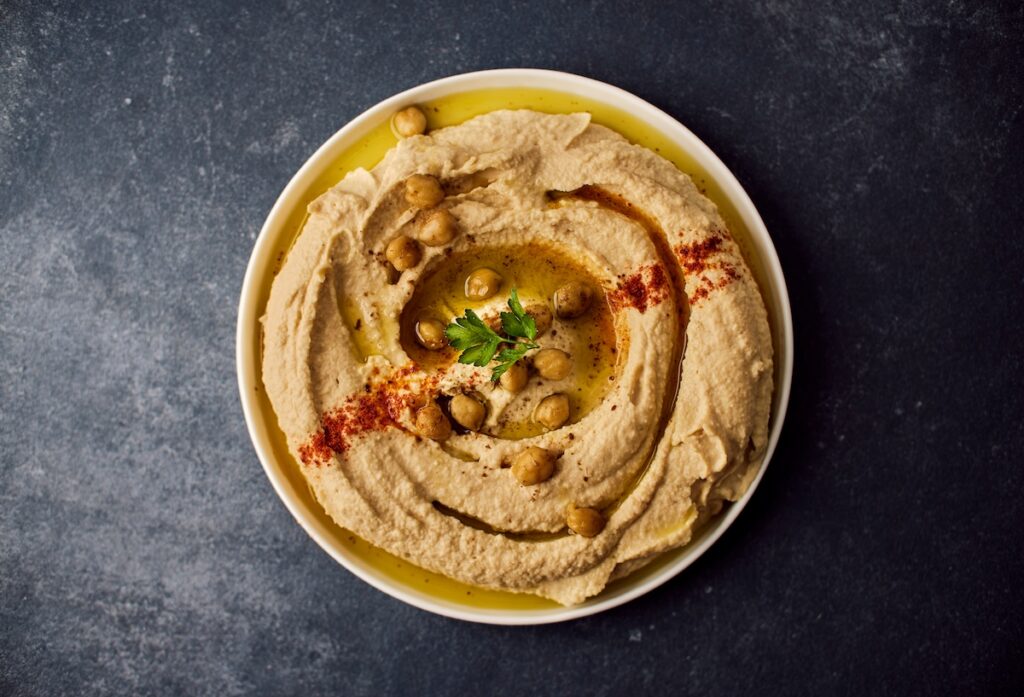
- Watch your portion size. With a couple of big scoops, it’s easy to exceed the hummus serving size (2 tablespoons). If you’re intentionally eating hummus as a larger part of your meal, you can, of course, go above that serving size — but you may want to measure it out (vs. free-dipping) to ensure you know how much you’re taking in.
- Dip with healthy options. Veggies like celery, carrots, and bell pepper are nutritious and low-calorie vehicles for hummus. Scooping with pita, chips, or bread is also on the table, but will add more calories.
- Check the ingredients. If you’re buying store-bought hummus, check the ingredient list on the back to ensure it doesn’t rely heavily on added oils or unnecessary sweeteners.
- Make it yourself. It’s easy to make hummus at home with a food processor or high-speed blender. You can lighten the recipe by reducing the amount of tahini or olive oil, or by adding spices to enhance flavor without additional calories.
Frequently Asked Questions
Plain hummus (made with chickpeas, tahini, olive oil, lemon juice, and garlic) has about 70 calories per 2 tablespoons. However, it’s worth noting that the exact nutritional content of hummus depends on the particular recipe or product, the ingredients, and the amount of each ingredient inside.
Hummus can definitely be part of a healthy weight loss diet. While it isn’t a low-calorie food, its protein, healthy fats, fiber, and resistant starch can help support feelings of fullness, blood sugar control, and overall diet quality. Just be mindful of portion sizes if you’re watching calorie intake.
When comparing dips, hummus stands out as particularly nutrient-dense, meaning it packs a substantial amount of nutrients (including protein, fiber, fat, vitamins, and minerals) in each serving. However, depending on your goals, other dips also offer benefits; tomato-based salsas are lower in calories, for example, while yogurt-based dips like tzatziki offer protein and gut-healthy probiotics.
You probably don’t need to worry about eating too much hummus; however, you may want to limit servings if you’re watching calorie intake, as it’s not a low-calorie food. Rapidly increasing your fiber intake or eating too much in one sitting (>10-15 grams) can also cause digestive upset, so be mindful if you’re eating hummus with other high-fiber foods like vegetables.
Bottom Line on Whether Hummus Is Low-Calorie
Hummus isn’t low-calorie, but it is nutrient-dense. Although it contains more calories than many vegetables or tomato-based salsas, it also provides protein, fiber, healthy fats, vitamins, and minerals, making it a nutritious addition to most health-conscious eating plans. If you’re watching your calorie intake, be mindful of how much hummus you’re eating (it’s easy to scoop up a lot with each bite!). And if you’re wondering whether hummus is a fit for you, personally, or how to eat with certain health conditions in mind, it’s always a good idea to consult with your physician or a registered dietitian.
Experts Who Contributed
- Lauren Mazzo, CPT, wrote this article.
- Lauren Keary, NASM-CNC, reviewed this article for accuracy.