
Does Processed Meat Cause Colon Cancer? Here’s What the Science Actually Says

A new poll found that a well-established cancer risk still hasn’t reached most people.
Ask around and you’ll find that most people can call out a few foods they “should” cut back on. Processed meat is one of the (few) foods classified as carcinogen because established scientific evidence shows it increases colorectal cancer risk. A recent poll found that almost half of U.S. adults know processed meat raises that risk, which is pretty striking for something this well documented. So before your next sub sandwich run, let’s look at the science.
Does Processed Meat Cause Colon Cancer? What the Evidence Shows
Processed meat means anything preserved by curing, smoking, salting, or adding chemical preservatives — foods like bacon, deli meat, hot dogs, sausage, and pepperoni. Back in 2015, the World Health Organization’s cancer agency classified processed meat as a Group 1 carcinogen — the top of its four certainty categories, meaning the evidence that it causes cancer is as solid as it gets, the same rating given to tobacco smoke. That label describes how solid the evidence is, though, rather than how dangerous a single bite is. The science has been strong for a decade, while public awareness and doctor conversations are the part lagging behind.
Colorectal cancer is climbing, including among younger adults — it’s now the leading cause of cancer death in people under 50. So it’s worth knowing exactly what the evidence says, how processed meat nudges up the risk, and what to do about it.
Going Deeper on Processed Meat and Colon Cancer
The poll, conducted by the Physicians Committee for Responsible Medicine with Morning Consult, surveyed 2,202 U.S. adults in February 2026. Only 55% recognized that processed meat increases colorectal cancer risk, while the rest either thought it had no effect or weren’t sure either way. About a third said a healthcare provider had raised it with them, and 64% said they’d support a cancer-risk warning label on these products.
In April 2026, PCRM filed a legal petition urging the USDA to require labels reading, “This product might increase the risk of colorectal cancer.” The awareness gap also changes with demographics — older adults, higher earners, and college graduates are notably more likely to know the risk than younger, lower-income, and non-college adults.
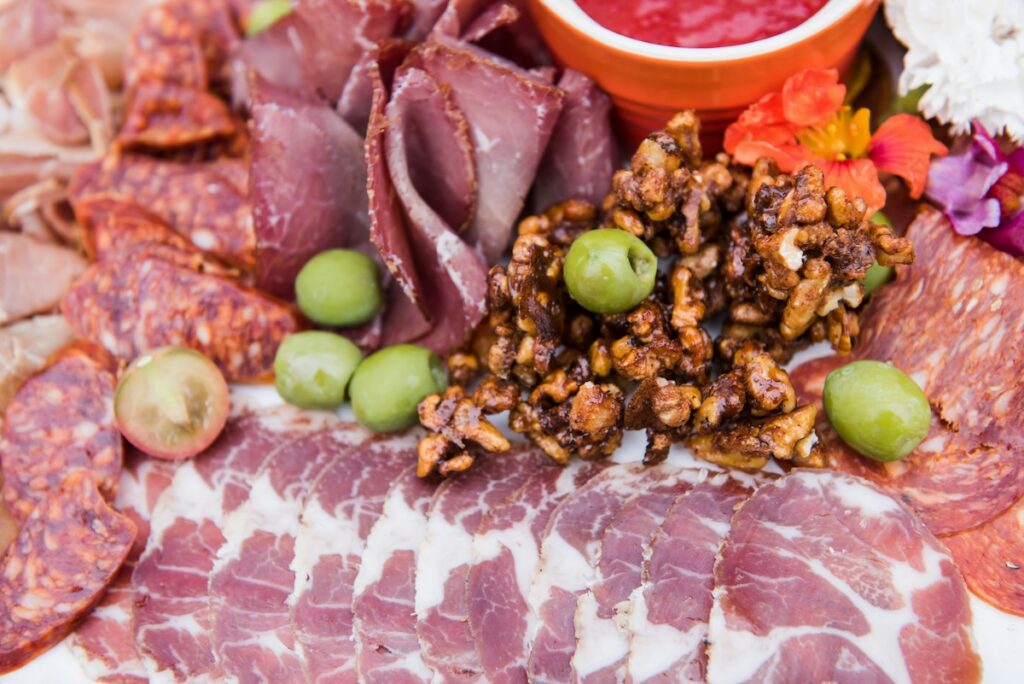
As for what these meats do in the body, curing and smoking create chemicals called N-nitroso compounds, and more can form in your gut as you digest the meat. These nick the DNA of the cells lining your colon. Your body patches that damage up, but the more often it has to, the greater the chance a repair goes wrong — and those errors are how a cancer can get started.
The effect is dose-related, which is the part worth remembering. The World Health Organization’s figures put each 50 grams of processed meat eaten daily — around the amount in a hot dog or a few slices of deli meat — at about an 18% higher relative risk over time. Frequency is what really matters when it comes to risk.
The Takeaway
Research suggests that cutting back on processed meat lowers colorectal cancer risk, and a hot dog at a summer cookout is a different story than bacon every single morning. Stick to unprocessed proteins the majority of the time — fish, poultry, eggs, beans, and plain cuts of meat — and treat the cured stuff as an occasional thing rather than something you eat daily. “Your eating pattern over months and years matters far more than any single sandwich,” notes Nsisong Asanga, MD, who worked with us on this article and reviewed it for accuracy.
Add on fiber-rich foods too. Plant-based eaters had roughly 22% lower colorectal cancer risk than omnivores in one analysis, and fiber is a big part of why. “For every 10 grams of fiber you eat a day, you can lower colorectal cancer risk by up to 10%, and simple ways to get there include a cup of raspberries, two tablespoons of chia seeds, or two-thirds of a cup of black beans,” says Anna Herby, DHSc, RD, in the Physicians Committee’s poll announcement.
Bottom Line
The evidence that links processed meat to colorectal cancer is strong and long-standing, so it’s worth taking seriously. The added risk per serving is modest, but it grows with how often you eat it. There are a couple of caveats worth noting though. These poll numbers show what people know, which isn’t the same as what they eat regularly, and your personal risk also depends on genetics and your overall diet. Treat the data on processed meats as an informed, frequency-based choice rather than a reason to panic over your weekly sub sandwich. As Asanga puts it, “One bacon sandwich won’t determine your future — but making deli meat or bacon a daily habit can slowly tip the odds the wrong way.”
Experts Who Contributed
- Lauren Keary, a NASM-certified nutrition coach, wrote this article.
- Nsisong Asanga, MD, reviewed this article for medical accuracy.