Your Doctor Wants to See Your Wearable Data — Here’s How to Share It


Nappy/Unsplash
Beyond the Office Visit: If you’ve been gathering heart rate, sleep, HRV, and recovery data for months, it may be able to help at your next doctor’s appointment.
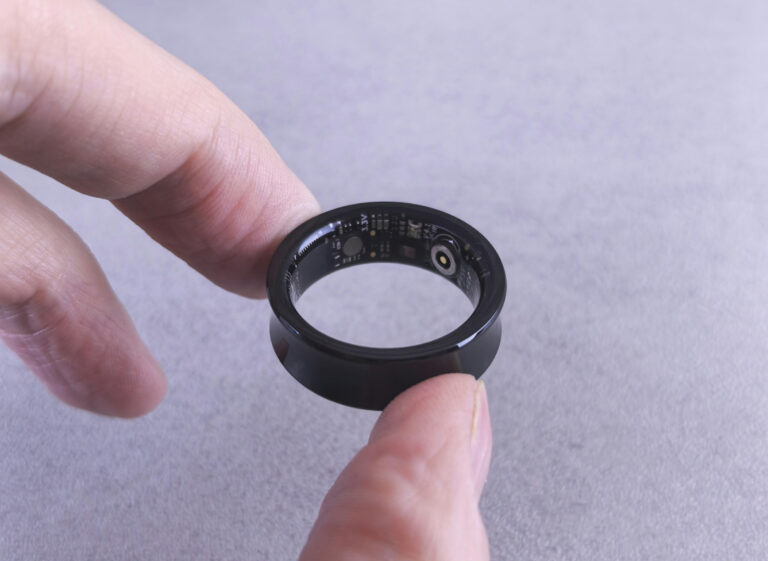
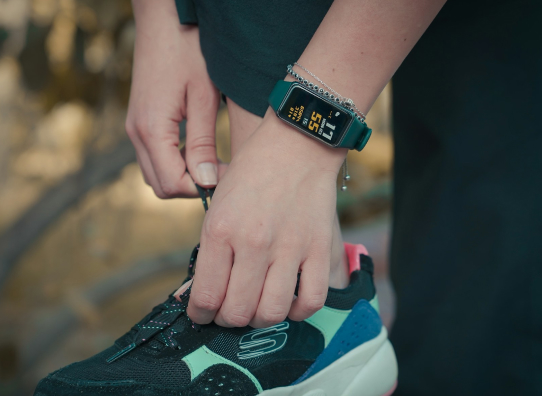
The Background: The American Academy of Neurology recently issued informal guidance, covered by NPR, on using data from an Oura Ring, Fitbit, Garmin, Whoop, or Apple Watch in clinical conversations. Bringing trends to your doctor’s visits can give a physician context they wouldn’t normally get in a short appointment, and may flag patterns like cardiac arrhythmias that warrant a closer look. They aren’t diagnostic tools and can produce falsely alarming (or reassuring) readings, so the goal is mainly a sharper conversation with better follow-up questions.
How to Do It: The AAN’s new guidance is to report patterns, so pull a multi-week summary before your next appointment. Compare what’s changed (sleep dropping, resting heart rate increasing, etc.) to what’s been going on in your life — a flu, a stressful transition, new workouts, a medication shift, etc. Then ask your doctor a question and have the data to back it up if they need it. But don’t present a 10-page document at your 30-minute appointment; your doctor’s time is short, so summaries are better.