Working Out While Sick: When to Push and When to Rest

“Sweat it out” is bad advice, but exercising might not be.
You planned to hit the gym this morning to start your day off right, but you woke up with a scratchy throat and decided against it. You might be sick, and it would be irresponsible to train while feeling under the weather.
If your illness is mild and not a stomach bug or respiratory issue, you might be fine to exercise, provided you’re being responsible and not exposing others. Your performance will likely be impaired compared to training while healthy, but should you train at all? If so, which exercises should you do? Most advice in circulation falls somewhere on a spectrum between sweating out the sickness and resting so your body can recover. While the most precise advice varies by individual, the broad answer is not to “sweat it out,” but also not necessarily to stay sedentary.
What You Should Know About Working Out While Sick
For the most part, those who believe in the “sweat it out” approach while sick should replace it with “above the neck,” meaning exercise is likely okay if your illness isn’t respiratory-related or involves your gut. Intense exercise causes immunosuppression, potentially leaving you even more vulnerable while already combatting an illness.
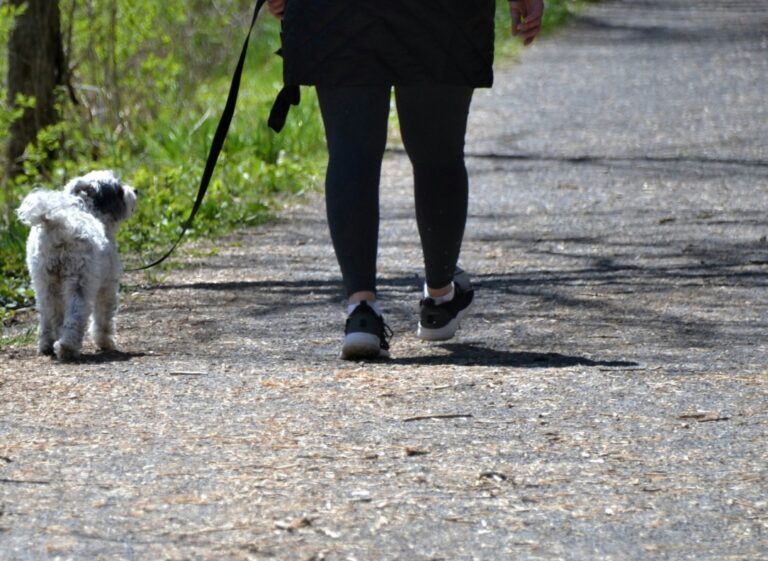
Moderate exercise, such as an hour of brisk walking, however, can improve immune function. Staying active without overdoing it is even linked to fewer, milder colds — in one study, the most active people had 43% fewer days with symptoms than sedentary ones.
Evidence suggests that getting up for moderate activity is preferable to staying entirely at rest until you feel 100%. The Mayo Clinic suggests following the “above the neck” rule, which includes “runny nose, nasal congestion, sneezing, and minor sore throat” without fever as reasonable to perform moderate exercise with. If you have chest congestion, a mucus-heavy cough, or nausea, stay at rest.
If your illness falls within the “above the neck” guideline, reframe the question from “Should I exercise while sick?” to “How hard should I exercise while sick?” since intensity matters.
Going Deeper on Exercising When You’re Sick
The scientific rationale for moderate exercise when sick “above the neck” is improved immunosurveillance and immunocompetence. Immunosurveillance is the body’s process of identifying compromised cells. Immunocompetence is the immune system’s capacity to effectively contend against a toxin or pathogen.
These immune improvements occur only with moderate exercise, according to researchers David Nieman and Laurel Wentz in their 2019 review in the Journal of Sport and Health Science, a pattern captured in what researchers call the J-curve.
The J-curve is a graph that displays how exercise intensity correlates to the risk of upper respiratory tract infection. If sedentary rest is the baseline, moderate exercise can lower the risk by up to 50%. That risk sharply increases, however, with heavy exertion, rising up to sixfold at the highest exercise intensities.
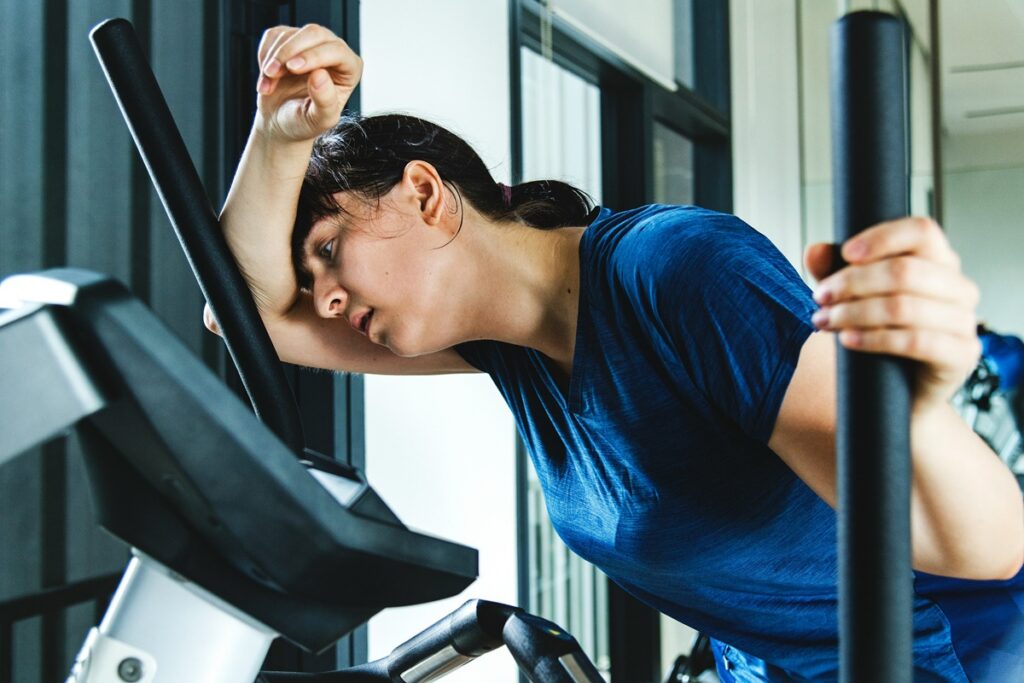
A fever is a hardline stop. Exercising with a fever or active viral infection is risky because it may increase the risk of myocarditis (inflammation of the heart muscle). A 20-year study of 672,672 young Finnish military conscripts, published in the European Heart Journal, found myocarditis was rare — roughly 0.17 cases per 1,000 person-years — but that when it did strike, it was typically preceded by a common infection. Major cardiology guidelines reflect this — the 2020 European Society of Cardiology sports guidelines advise against exercise during acute myocarditis and a break of three to six months before returning.
The Takeaway
If your illness is “above the neck” and you don’t have a fever, moderate exercise can help, but taking rest days as needed won’t hurt. Research suggests moderate exercise may mean fewer, milder colds, but a doctor’s consultation is always preferable. Experts say that intense training akin to the notion of “sweating it out” is dangerous and should be avoided during bouts of illness. Never exercise with a fever.
Bottom Line
Use the “above the neck” rule as a guide when deciding if you should train when feeling under the weather. Moderate exercise is associated with fewer infections, but higher exertion can harm your recovery. The “above the neck” rule is not a diagnosis, however. If you have a fever, stay home. If your illness affects your lungs or gut, stay home. If you have chest pain, elevated heart rate, shortness of breath, or dizziness, go see your doctor rather than your gym partner.
When you feel recovered, ease back into your training slowly rather than at the level you were before you got sick. A good rule: wait until you’ve been fever-free for a full day and your symptoms have moved above the neck before easing back — and after a fever or a harder illness, give it several days to a couple of weeks and ramp up gradually. Your body needs time to readjust, and taking it slow in the gym will let it acclimate to your desired training volume.