What Exactly Is Cupping, and Does It Actually Work?

George Dagerotip/Unsplash
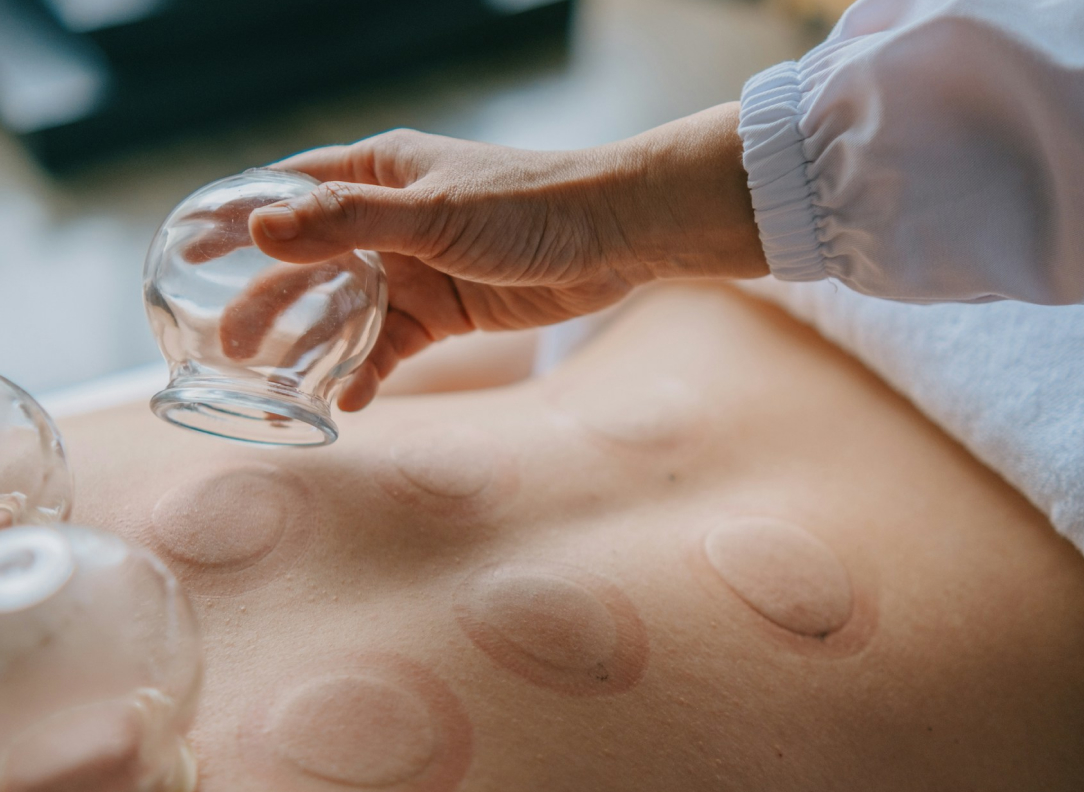
You Should Know: Cupping therapy uses glass or plastic cups placed on the skin to create suction, drawing tissues upward and leaving those telltale circular marks. Athletes and wellness enthusiasts turn to this therapy for muscle soreness, pain relief, improved circulation, and faster recovery. Some practitioners also claim it helps remove toxins. But does it work?
Going Deeper: Cupping has roots in traditional medicine, but modern science hasn’t caught up with all of its claims. Potential benefits include reduced inflammation and increased blood flow. Some research suggests it may provide short-term relief for certain types of pain, including back and neck pain, but much of the research is limited by small sample sizes, inconsistent methods, and difficulty separating cupping’s effects from placebo responses or other treatments. There’s little strong evidence that it speeds athletic recovery, flushes toxins, or delivers lasting benefits, though healthcare providers generally agree it comes with little risk.
Takeaway: Cupping offers temporary relief for some people, but it’s not a clinically proven shortcut to better performance or recovery. The marks aren’t toxins leaving the body; they’re caused by capillaries breaking open due to the suction. Cupping can also cause bruising, burns (with fire cupping), skin infections, or scarring. Wet cupping, which involves drawing blood, carries additional risks.
Bottom Line: If you’re curious about cupping, it’s worth discussing with a qualified healthcare professional as a complementary therapy.