What Blushing Reveals About Us
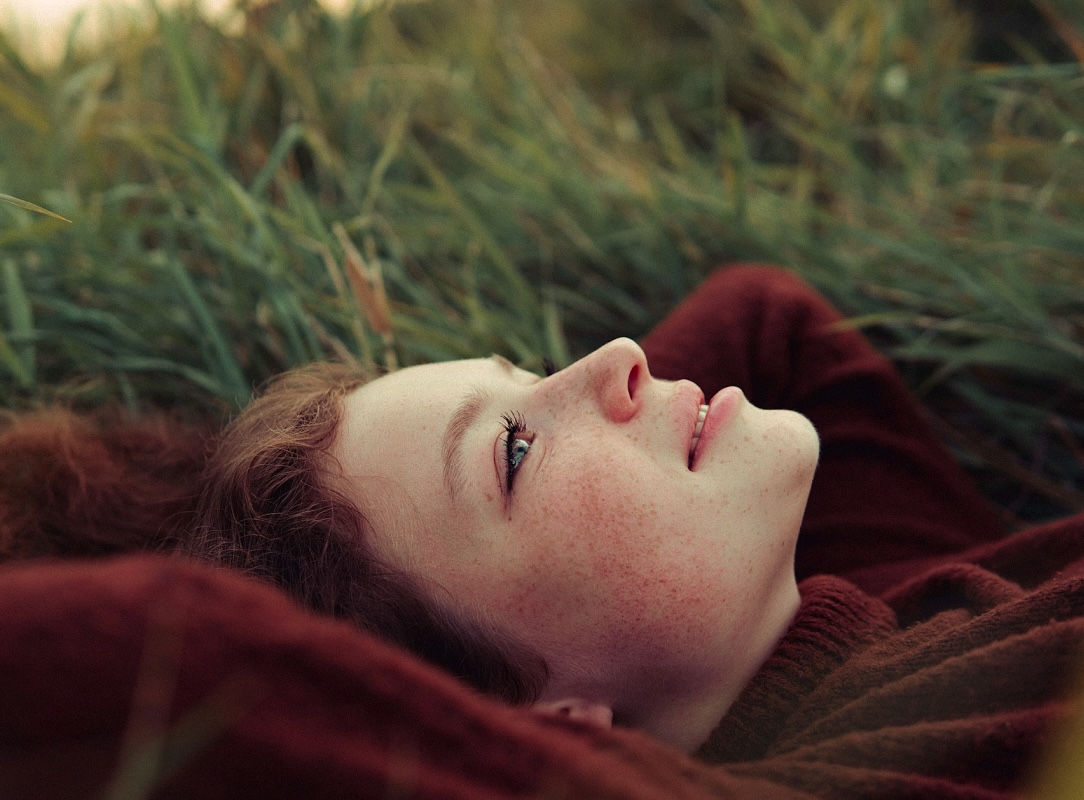
Hannah Popowski/Unsplash
You Should Know: Dabbing blush on the cheeks to make them rosier has been a standard cosmetic practice for centuries. And yet actual blushing — the experience of your cheeks burning and turning red — can make an embarrassing moment feel even cringier. Blushing might be annoying, but it also serves an important social purpose.
Going Deeper: Charles Darwin studied blushing in the 1870s, calling it “the most peculiar of all human expressions.” (Some animals blush, too.) Blushing is an involuntary physiological action, like breathing, digesting, or sweating. It’s tied to the nervous system’s “fight-or-fight” response. The release of adrenaline from stress or danger dilates blood vessels and increases blood flow — hence the hotter, redder face, neck, and chest.
Takeaway: Researchers posit blushing is also an evolutionary tool meant to maintain social bonds. When we blush from shame, it’s a way to sidestep aggression or prevent ostracism, like a non-verbal acknowledgement or apology. Some people blush under positive circumstances, like when they’re praised or made the center of attention, from the arousal of heightened emotion and self-consciousness.
Bottom Line: Blushing can feel like adding insult to injury, but it may actually be helping us in social situations.
More in Mindfulness

A Flow State Can Boost Focus & Ease Stress. Here’s How to Find Yours
 Mindfulness
Somatic Therapy Is on the Rise. Can It Really Help With Trauma?
Mindfulness 
How To Use This Neuroscience Principle To Rewire Negative Thoughts
Mindfulness 
The Science-Based Way to Set Goals You’ll Actually Stick With
Mindfulness