The Transplant Drug Biohackers Are Taking to Slow Aging

Bruno Guerrero/Unsplash
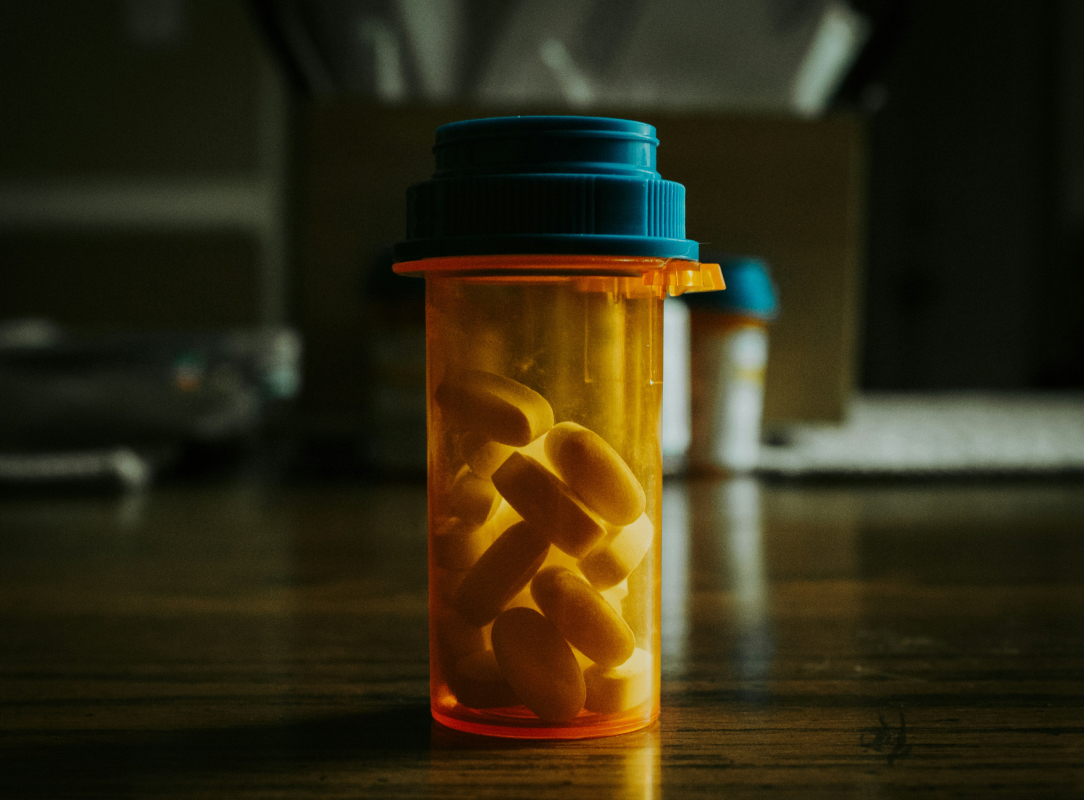
The Trend: Rapamycin, a prescription drug that keeps organ transplant patients from rejecting their new organs, has recently become a favorite among biohackers. Some take small weekly doses off-label in the hopes that they will help slow down aging. The interest stems from mouse research, where one study found it extended median lifespan by up to 26%.
What People Are Saying: When researchers surveyed 333 people taking rapamycin off-label, users generally reported improved quality of life. But tech entrepreneur and longevity influencer Bryan Johnson quit in 2024 after developing skin infections and high blood sugar, which are both side effects listed on the drug’s label. Rapamycin also carries the FDA’s strongest warning for infections and even possible lymphoma because the drug suppresses the immune system (although a year of low weekly doses didn’t cause these problems in one trial). Still, nobody has definitively shown that rapamycin helps humans live longer, partly because that trial would take decades.
What to Know: UT Health San Antonio recently launched a large clinical trial to pin down safe dosing for older adults who aren’t transplant patients. In the meantime, anyone curious about taking it should talk with a doctor who can monitor their bloodwork.