Period-Tracking Tech Is Moving Beyond Apps — What Are the Privacy Concerns?


Getty/Unsplash
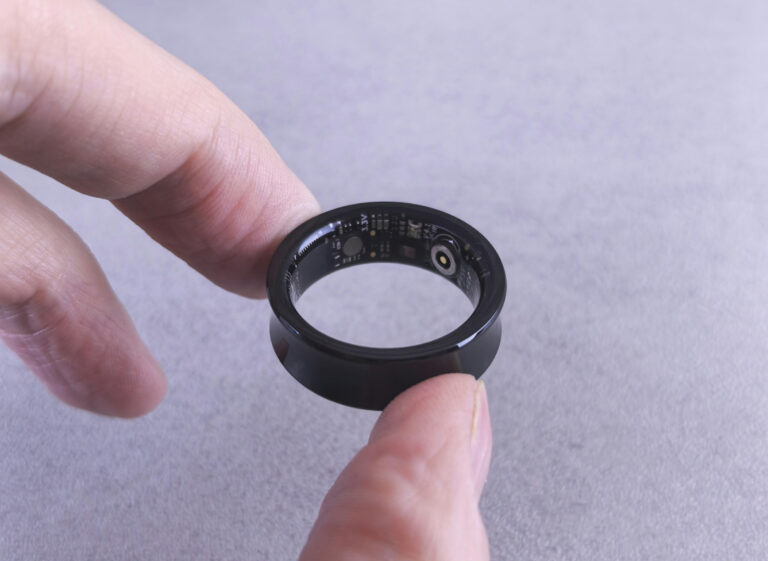
The Trend: Hormone-tracking tech is moving from apps into hardware. The latest example is Emm, a yet-to-launch smart menstrual cup designed to measure flow rate, volume, and cycle changes, turning what’s normally a manual log into real-time physiological data. It’s positioned as the next step beyond apps like Clue or Flo, which rely heavily on self-reported symptoms and have long been criticized for inconsistent accuracy and limited clinical usefulness.
What People Are Saying: In femtech circles, Emm is being hailed as a meaningful upgrade with the promise of clearer insights into menstrual health. But it also inherits the same red flags that have long cast a shadow over the category. Reporting from Consumer Reports and NPR has highlighted how period-tracking data can be sensitive, inconsistently protected, and (depending on state laws) potentially vulnerable to third-party access. Even as start-ups tout “medical-grade” data and encryption, experts point out that privacy standards across femtech remain, well, without standard.
What to Know: Smart cycle tracking could fill major gaps in women’s health research and offer more accurate, individualized insights. But the benefits are inseparable from the risks: before adopting any hormonal tracker, understand what’s being collected, who can access it, and whether the company is transparent about data protections. Then, decide if you’re willing to participate.