Is Food Addiction Real? Researchers Say It’s Possible

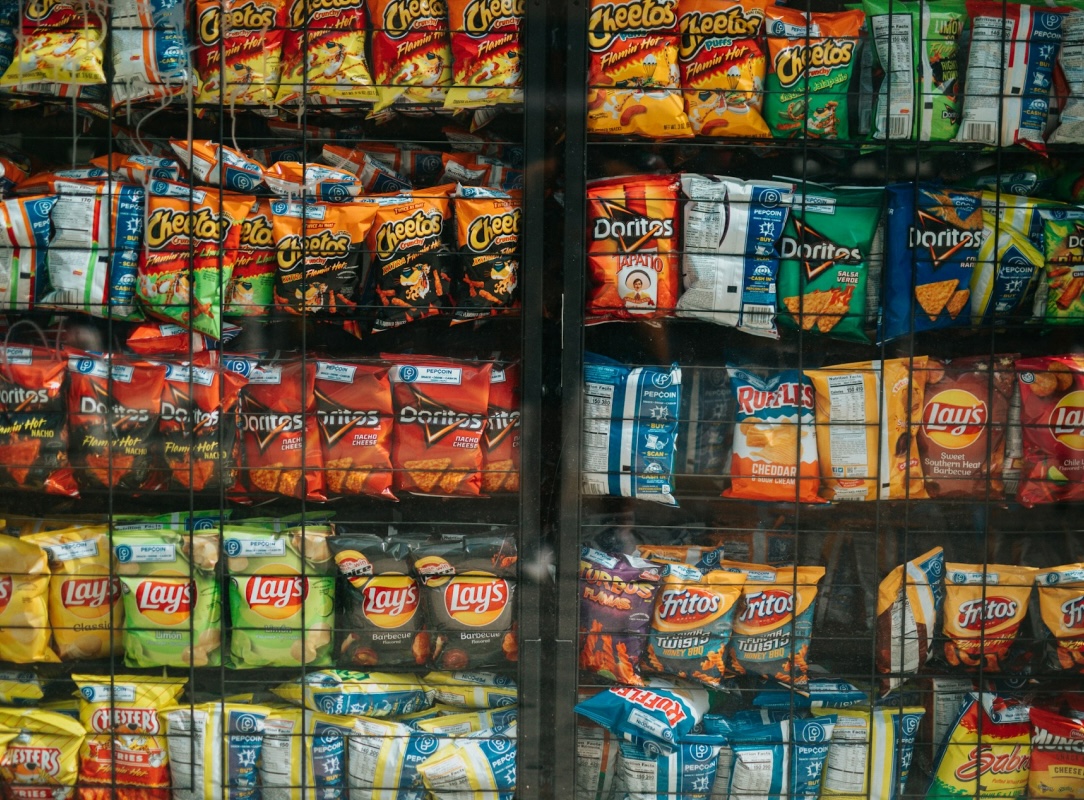
Nathan Dumlao/Unsplash
You Should Know: We tend to reserve the word “addiction” for drugs, alcohol, and gambling, but growing evidence suggests that certain foods, especially those high in sugar and fat, can trigger similar patterns in the brain (looking at you, Ben & Jerry’s). Psychiatrist and researcher Clair Wilcox of the University of New Mexico writes that “food addiction” is gaining recognition as a real phenomenon, with brain imaging studies showing overlapping reward pathways between ultra-processed foods and addictive substances.
Going Deeper: This doesn’t mean we’re all powerless in front of a cookie. But for some people, it really is harder to ignore cravings. The pull of certain foods mirrors what clinicians see in substance use disorders: intense cravings, loss of control, and continued use despite negative effects. The challenge, of course, is that we can’t abstain from food entirely.
Takeaway: There’s still much debate over whether people can truly be addicted to something they require to survive. But then, ultraprocessed foods — the kinds that trigger these addictive patterns — are not required to survive (when other foods are available and accessible).
Bottom Line: Addiction is about how our brains respond to reward. Understanding that response, not shaming it, can help us build a healthier relationship with what we eat.