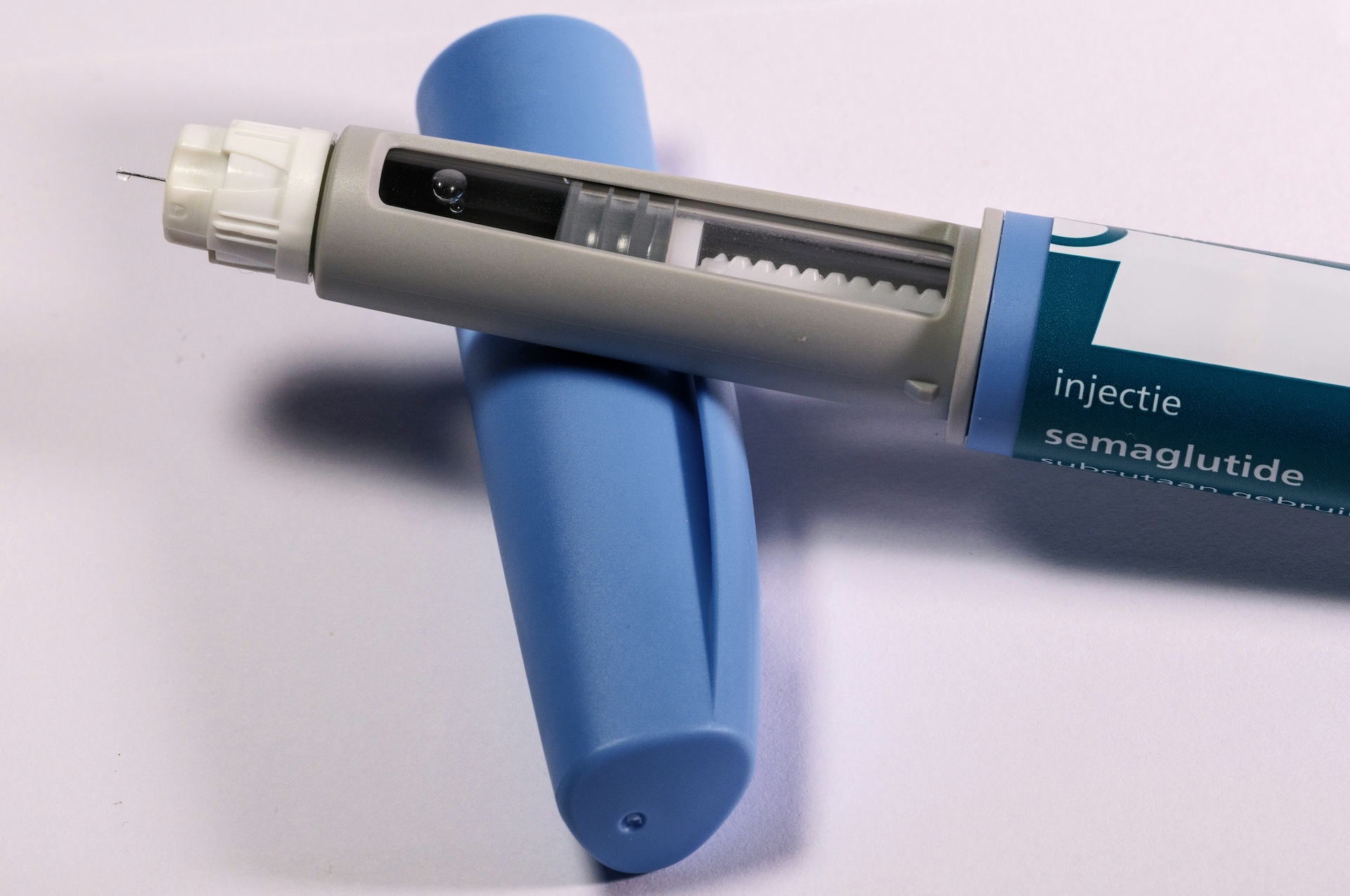
Is Compounded Semaglutide Safe? A Researcher Bought It From 49 Sites to Find Out
Compounded semaglutide is cheaper and easier to buy online than ever. A new JAMA study reveals how few safeguards stand between a few clicks and a prescription.
Nearly one in five adults has taken a GLP-1, the popular drug designed to combat obesity, which you likely recognize as brands like Wegovy, Zepbound, Ozempic, among others. It’s so popular, in fact, that shortages that began in 2022 weren’t declared resolved by the FDA until 2024 and 2025. During those shortages, compounded GLP-1 variations (like compounded semaglutide) — which contain the same active ingredients but different inactive ones — spread through compounding pharmacies and online sellers.
Now that the shortages are over, compounding these drugs is largely no longer permitted, yet many sites still sell them, and many people still buy them online. Unlike their branded counterparts, compounded versions aren’t FDA-approved and are more likely to cause adverse effects like nausea and diarrhea, be subject to contamination, and be misprescribed. Don’t let that scare you, though. Instead, let it prompt you to be vigilant when acquiring a GLP-1.
How Easy Is It to Buy Semaglutide Online?
In short, pretty easy.
A July 2026 study published in JAMA had a researcher pose as a prospective GLP-1 patient attempting to purchase a GLP-1 compound through 49 different websites. Among those, 17 sold only compounded versions, five sold only FDA-approved brand versions (e.g., Wegovy, Zepbound), and 27 offered both. More than 90% prescribed medication — 39 compounded, six branded — and nearly 70% would mail a GLP-1 to you.

Every website featured a medical questionnaire, which the patient filled out, rather than interacting directly with a clinician. The overwhelming majority — over 90% — inquired about a patient’s medical conditions and medication allergies. Only half, however, asked for information regarding a history of eating disorders; only a third sought biomarkers (e.g., blood pressure, cholesterol, etc.); fewer than half personalized a compounded GLP-1 to the patient; and only a quarter required a video call to confirm anything.
Acquiring a prescription often took less than a day, and three out of four websites would ship the medication upon approval of the prescription, without the patient’s confirmation. In layman’s terms, many seemed to prioritize a quick sale over comprehensive care for the patients they were selling to.
Why Compounded Semaglutide Costs So Much Less
GLP-1s have been shown to be highly effective at combatting obesity, but that’s less relevant if patients can’t afford them. The projected market for GLP-1s over the next decade is $150 billion.
The out-of-pocket cost of Wegovy in the US is often just shy of $1,000 per month. That’s a wide gap from the compounded alternatives, which could cost less than half that. It makes sense that people without insurance would turn to the more affordable option, even with the risks involved.
One newer option is closing the gap for older adults: the Medicare GLP-1 Bridge program, which lets eligible people get branded GLP-1s like Wegovy for $50 a month, kicked off on July 1 and could be extended at the end of 2027.
Is Compounded Semaglutide Safe?
Not necessarily. Because compounded semaglutide isn’t FDA-approved and its quality can vary from seller to seller, how safe it is depends heavily on the source and the medical oversight behind it. Ultimately, any ad stating that you could get something like Ozempic or Wegovy super quickly might not be telling the whole truth. It is likely much safer to consider clinician interaction a requirement for the safest possible outcome with GLP-1 use.
More in Hormonal Health

How to Get Microplastics Out of Your Body: What Works and What’s Hype
 Hormonal Health
How a Backyard Flower Inspired One of the World’s Most Prescribed Drugs
Hormonal Health 
What Is Cortisol Face? The Truth — and Misconceptions — Behind this Social-Media Trend
Hormonal Health 
What Does ‘Cortisol Belly’ Actually Look Like, and What Can You Do About It?
Hormonal Health