Your Cholesterol Test May Be Misleading — Is an apoB Test Better?
The standard cholesterol test can make two people look equally healthy when their real heart risk is worlds apart. A newer test called apoB counts the particles that actually clog arteries.
Everyone needs cholesterol. It’s partially responsible for hormone development, cell membrane synthesis, and vitamin absorption. You might be more familiar with its oft-highlighted duality of high-density lipoprotein cholesterol (HDL), considered the good kind, and low-density lipoprotein cholesterol (LDL), considered the bad kind.
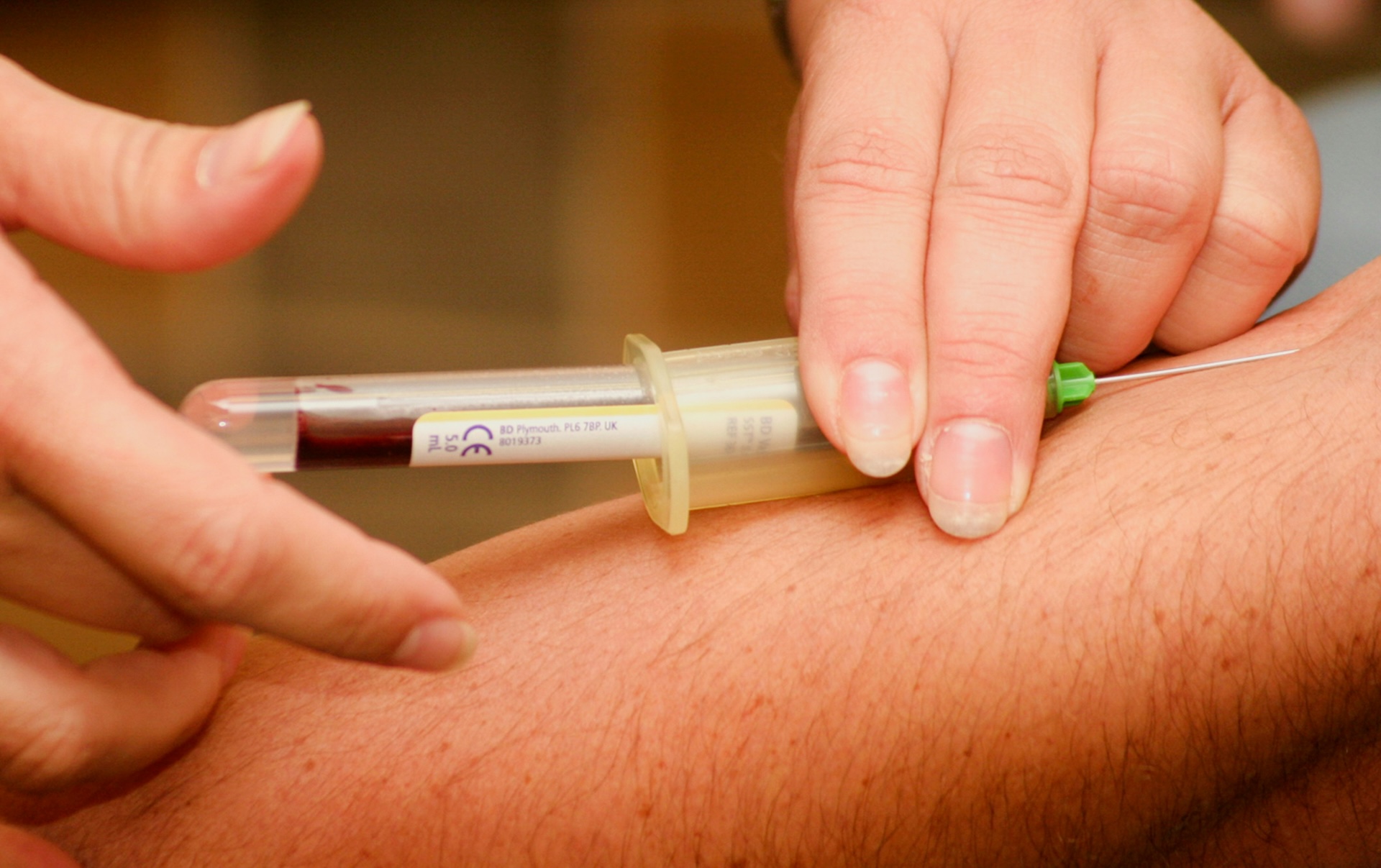
You could measure LDL cholesterol through standard testing. That option, however, might not be as accurate in determining whether heart attack or stroke prevention treatment is needed as apolipoprotein B (apoB) testing is. ApoB is the structural protein associated with artery-clogging fat particles. Therefore, measuring apoB can more accurately identify how threatening an LDL number actually is.
Breaking Cholesterol Down
Cholesterol has a bad reputation because of its link to cardiovascular disease. While that’s true at high levels, the real concern is atherosclerosis — the chronic inflammatory disease of plaque buildup in the arteries. HDL particles help prevent that buildup, which is why HDL is considered the “good” cholesterol.

LDL circulates in the blood and delivers cholesterol to cells where it’s needed. Too much of it, however, increases the risk of atherosclerosis. But why is that?
That’s where pulling the mask off apoB might solve the mystery. ApoB testing counts the particles that actually contribute to plaque buildup in arteries. Knowing that can better inform whether more intensive preventive treatments, such as cholesterol-lowering medication, are necessary.
Is apoB Better Than LDL?
A modeling study out of Northwestern University simulated a quarter-million adult patients without cardiovascular disease who were eligible for cholesterol treatment and measured their LDL, non-HDL, and apoB levels. As patients missed their target levels for each, a treatment intervention was issued.
Across patients’ lifetimes, apoB testing was cost-effective and consistently outperformed other approaches in terms of heart attacks, strokes, life expectancy, quality of life, and healthcare costs.
Looking Ahead
While a modeling study is not a clinical trial and, therefore, more research is needed on apoB’s accuracy compared with standard LDL cholesterol testing, it might be a good idea to ask your doctor about apoB testing.
More in Hormonal Health

How to Get Microplastics Out of Your Body: What Works and What’s Hype
 Hormonal Health
How a Backyard Flower Inspired One of the World’s Most Prescribed Drugs
Hormonal Health 
What Is Cortisol Face? The Truth — and Misconceptions — Behind this Social-Media Trend
Hormonal Health 
What Does ‘Cortisol Belly’ Actually Look Like, and What Can You Do About It?
Hormonal Health