Health Tracking: Is More Always Better?

Getty/Unsplash
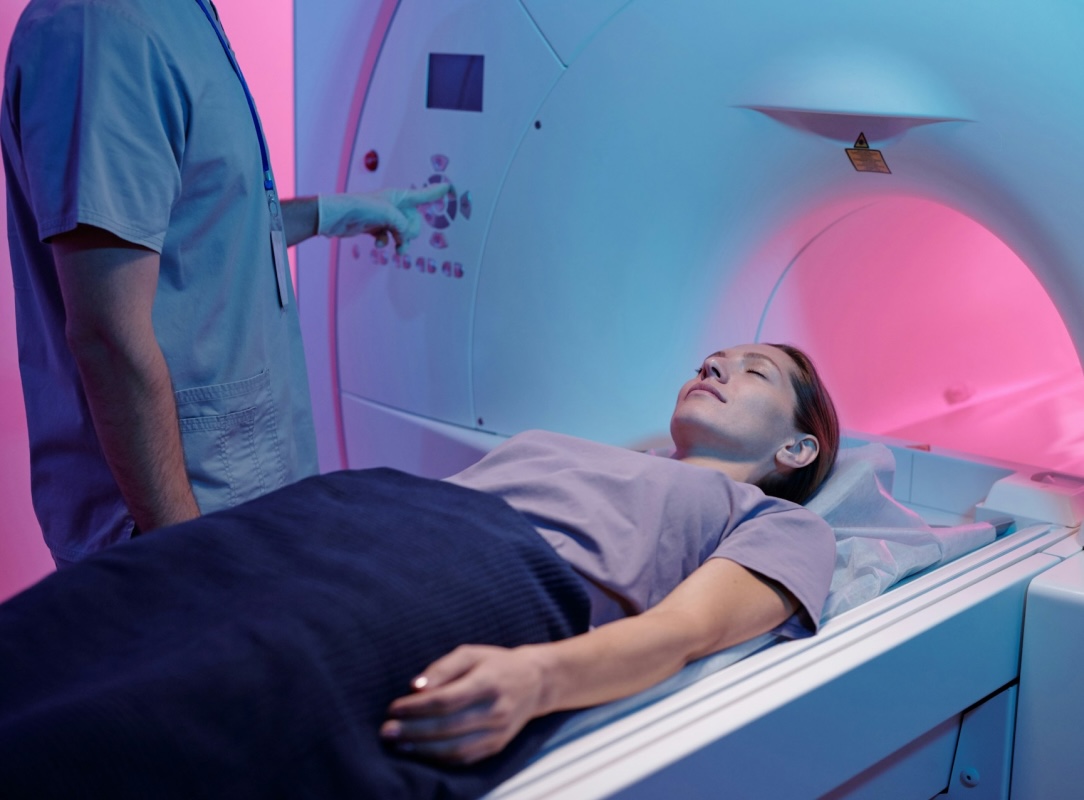
The Trend: Biomarker tracking continues to gain popularity. Between Garmin, Whoop, and Oura (a favorite in our office), anyone can track health and fitness metrics previously reserved for lab testing — think VO2 max, heart rate variability, and minutes spent in REM sleep. It doesn’t stop at wearables. Blood and urine testing is easily accessible without a doctor’s orders, thanks to direct-to-consumer labs from companies like Function, Hims & Hers, and InsideTracker. Even MRIs aren’t off the table.
What People Are Saying: The more you track, say some experts, “the better your chances are for a smarter and longer health span.” But we already live in a world of information overload, and others say less is more. Excessive biomarker testing can lead to anxiety, false diagnoses, and unnecessary treatments, per some researchers.
What to Know: Depending on your health, some biomarker tracking may be necessary. Tracking hemoglobin A1c, for instance, is necessary for those with diabetes. Checking in on hormones like cortisol can help uncover the causes behind unexplained symptoms. Metrics like VO2 max help you keep tabs on whether your training plan is working. But it’s wise to be selective about the biomarkers you track, lest you predispose yourself to unnecessary anxiety.