Exercise Appears to Rewind the Clock on Muscle Aging


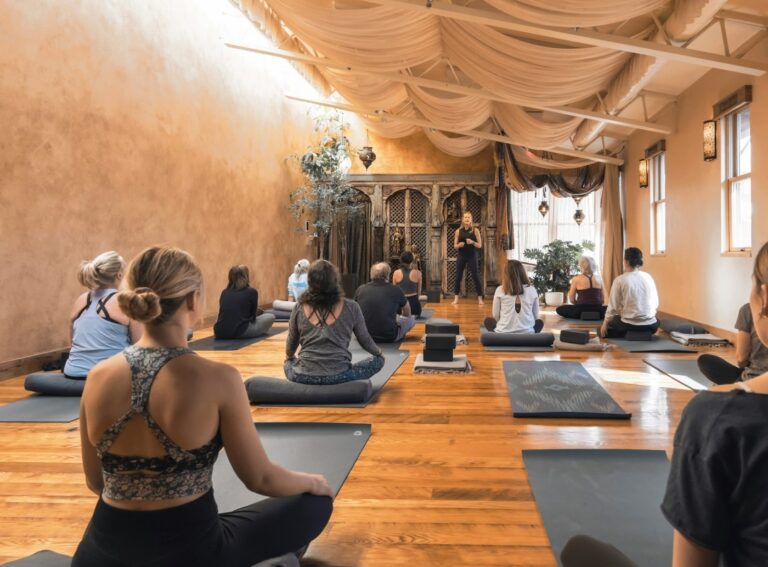
A. C./Unsplash
Hit Rewind: Muscle loss and muscle weakening are major concerns in older adults, but we have the power to slow — or even reverse — muscle aging. New research suggests exercise can reverse some of the cellular changes associated with muscle aging.
The Study: Researchers wanted to understand why muscles lose strength and function with age, and how exercise might counteract that process. They identified a protein called DEAF1 that becomes more active in aging muscle. When that happens, it disrupts a cellular system called mTORC1, which helps muscles manage the production and recycling of proteins. That disruption can contribute to the buildup of damaged proteins and other signs of muscle aging. Exercise also appeared to activate another pathway, called FOXO, which suppressed DEAF1 and helped restore healthier muscle function. When researchers blocked this pathway, many of exercise’s beneficial effects disappeared.
The Takeaway: More than just making muscles stronger, exercise may reverse some of the underlying cellular changes that occur as muscles age.
Keep in Mind: This research doesn’t prove that exercise literally makes human muscles biologically young again. The study focused on the cellular mechanisms behind muscle aging, and more research is needed to determine how these findings translate into specific exercise recommendations for people.