Can You Fall Asleep Instantly? It Could Be a Red Flag

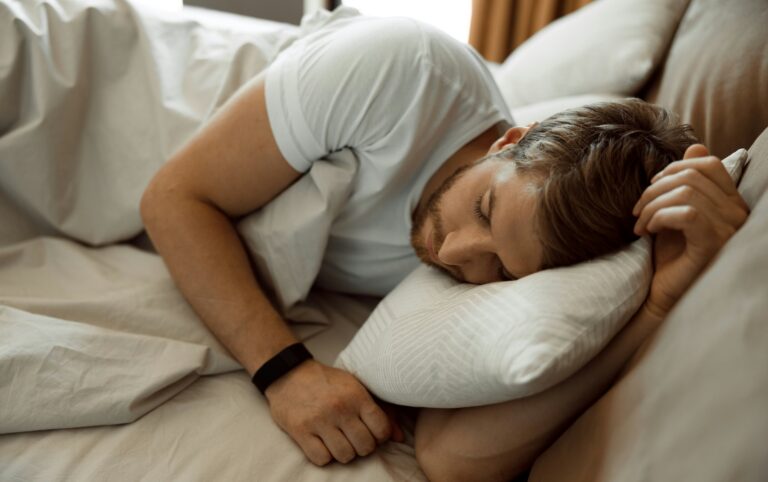
Andrej Lisakov/Unsplash
You Should Know: If you struggle to fall asleep, the ability to conk out the moment your eyes close might sound like a dream. People who can snooze in seconds — virtually anywhere — might look like champion sleepers, but that “superpower” might not be as healthy as it seems.
Going Deeper: The time it takes to fall asleep is called sleep latency. Everyone is different, but it takes most people 15 to 20 minutes to drift off. Taking a lot more time — or a lot less — to fall asleep is often indicative of a sleep problem. Sometimes it’s temporary, like when we’re wide awake stewing or exhausted from travel.
Takeaway: Regularly being able to fall asleep quickly, especially during the day, often signals chronic sleep deprivation, and excessive daytime sleepiness is also a top symptom of obstructive sleep apnea (OSA). If you tend to fall asleep “instantly,” your circadian rhythm might need a reset to get sleep back on track. Try to avoid naps, follow a sleep schedule and routine, get exposure to morning daylight, and keep lights dim at night.
Bottom Line: Quality sleep is defined by healthy sleep latency and duration. Getting at least seven hours consistently allows time for restorative REM sleep and can keep sleepiness at bay.