At-Home Intolerance Tests Are Everywhere — Experts Say Skip Them

Oleg Ivanov/Unsplash
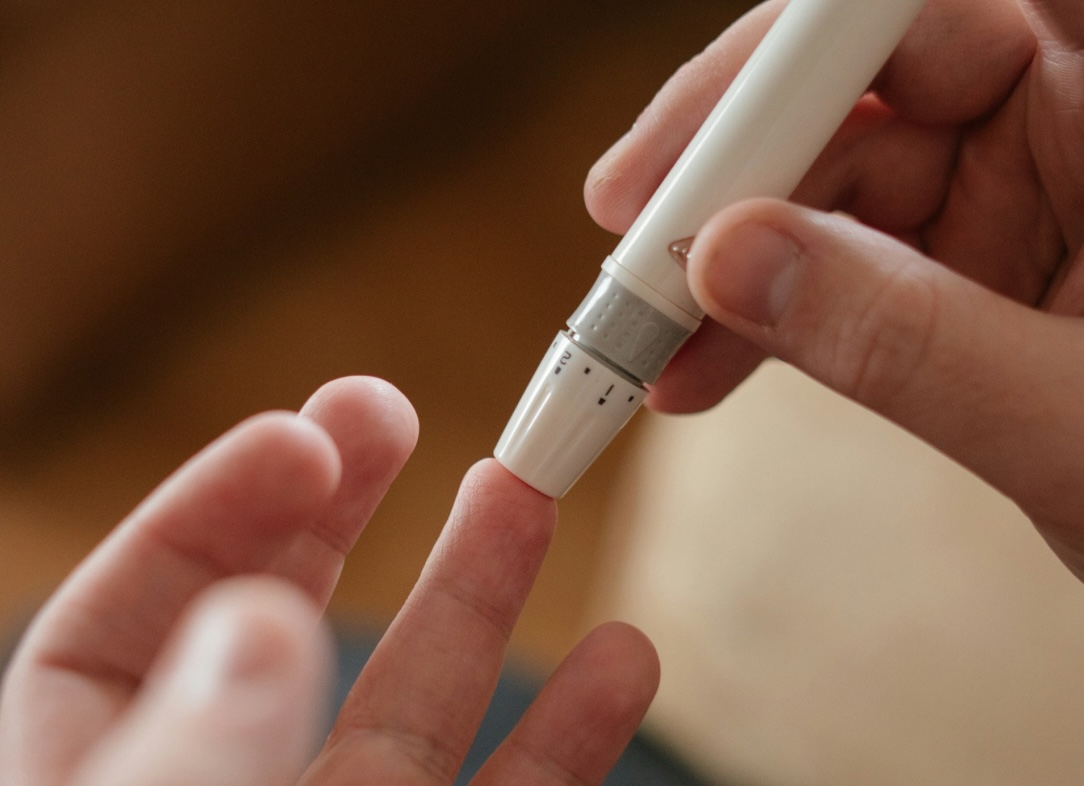
You Should Know: Many of us have experienced bloating or discomfort after eating certain foods, and have wondered whether it signals a food intolerance. That uncertainty has fueled the rise of at-home food intolerance tests that promise to identify problematic foods with a little bit of blood or saliva. The market is booming, with sales valued as $2.6 million in 2025, but there’s one big problem: Experts say they don’t work.
Going Deeper: Food allergies happen in the immune system, but intolerances happen in the digestive system. Intolerance tests often measure the amount of the antibody IgG in the blood — but the body makes IgG after every food we eat. IgG production means we’ve been exposed to a food, not that we’re intolerant of it — which is why these tests so often give false positives.
Takeaway: Food intolerance tests might be peddled by credentialed health experts (and wellness influencers), but there’s no evidence they’re accurate — there’s also no medical body that recommends or endorses them. Rebecca Seal at The Guardian even argues that they don’t “give us any useful information at all.”
Bottom Line: Save your money. If you want accurate answers about your body’s response to certain foods, visit an allergist or registered dietitian for legitimate testing and treatment.