The Best Moves for Building Stronger Bones

Oh, you thought resistance training only built stronger muscles?
Building bone strength is real, and you can do it. Exposing bone tissue to mechanical loads beyond what you’d typically encounter in day-to-day activities can increase bone density. Resistance exercise (i.e., weight training) can be “highly beneficial for the preservation of bone and muscle mass.” This matters because both tissues can naturally dwindle with age in males and females alike.
Resistance training to improve bone strength helps prevent osteoporosis, which is characterized by low bone mass and increased bone fragility, with a third of women and a fifth of men over 50 experiencing an osteoporotic fracture in their lifetime. Succumbing to osteoporosis can increase susceptibility to fractures and poor balance, which can be detrimental to daily life. Fortunately, researchers in the Journal of Bone Metabolism have taken a position stand — an official, evidence-based determination — on exercise guidelines for managing osteoporosis.
What You Should Know About Bones and Loading
To simplify the terminology, a bone-loading exercise is any exercise that applies mechanical tension through muscle contraction or gravity, including many exercises you’re likely familiar with.
Animal trials show that a mechanical loading exercise program, training three days per week for five weeks, can predictably improve bone fatigue resistance, which helps prevent stress fractures, by up to 100-fold.
A review of human trials found that progressive exercise training across a wide variety of modalities, from resistance and aerobic training to high-intensity training, improves bone mineral density.
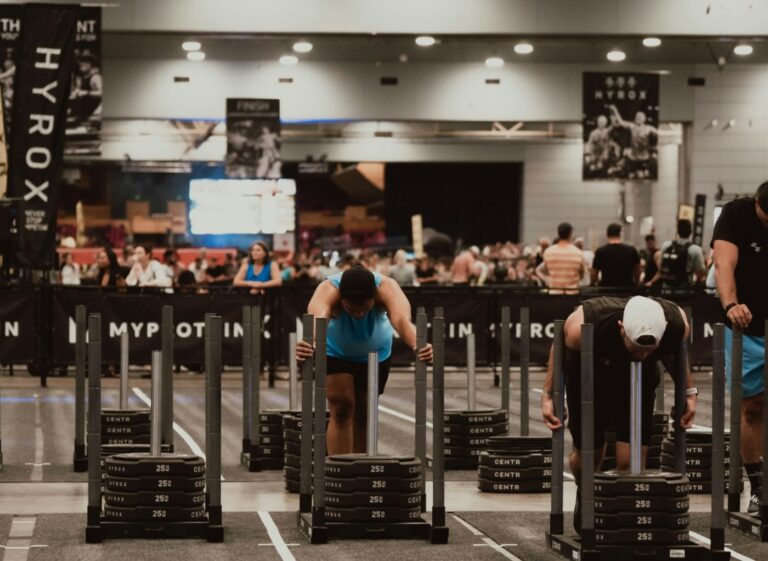
The aforementioned position stand recommends up to 10 free-weight and/or mechanical exercises for major muscle groups, trained two to three times per week. Impact training, like jumping rope, can also help.
Going Deeper: The Moves
Exercise protocols like the Lifting Intervention for Training Muscle and Osteoporosis Rehabilitation (LIFTMOR) offer evidence-supported ways to apply the position stand’s guidelines for those who can train at a gym or need to scale their training at home. Before starting any training program, it’s always best to consult your physician. If you’re unsure how to perform an exercise properly, seek guidance from a trained professional.
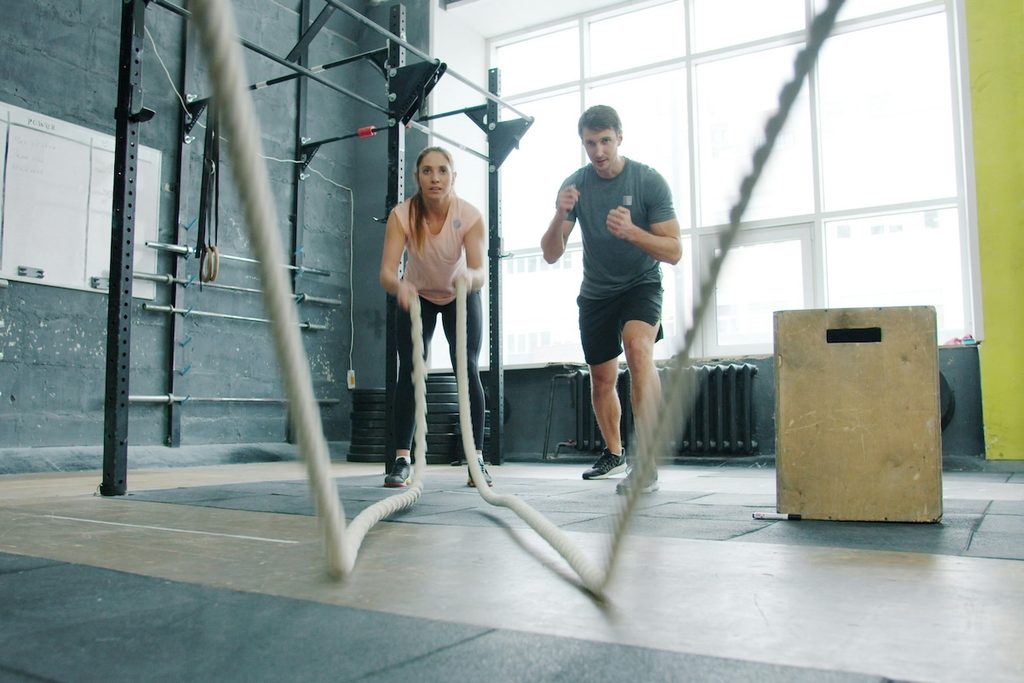
For those who can handle high-intensity training, the LIFTMOR trial used twice-weekly, 30-minute sessions over eight months, built around five sets of five reps on a few heavy compound lifts. Using that as a guide — and adding a couple of accessible impact and single-leg options — the following moves make a solid bone-loading routine:
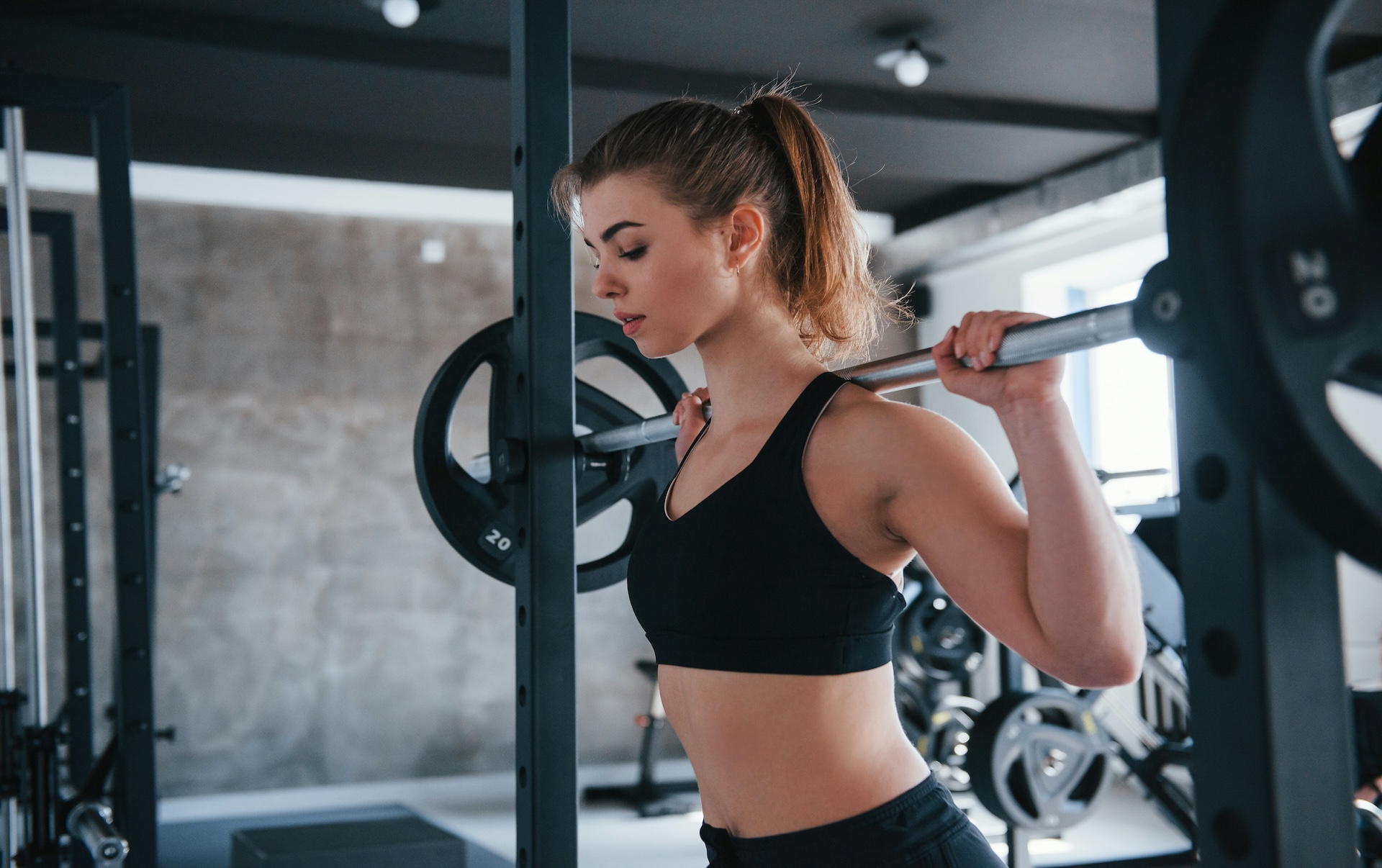
- Back Squats
- Deadlifts
- Overhead Presses
- Single-Leg Squats
- Jumping Rope
- Jogging
Perform the first three exercises for five sets of five reps at 85% of your one-rep max, which is the maximum weight you can lift for one rep. Warm up beforehand as needed with sets at 50-70% of your one-rep max.
Back squats, deadlifts, and overhead presses (also known as military presses) are axial loading exercises. Axial loading is a vertical compressive force on the spine that stimulates osteogenesis, the process of bone formation.
As such, maintaining a neutral spine during back squats and deadlifts is imperative. The cue “chest up” may not help if ankle mobility compromises your posture during the lift. If you need to add supports under your heels so you can maintain a neutral spine throughout the movement, don’t hesitate. A braced core is essential during overhead presses to maintain neutral spinal alignment.
Single-leg squats (also known as pistol squats) add a balance and stability challenge that bilateral lifts don’t, recruiting deep hip stabilizers they miss. Good control during single-leg loading has itself been linked to femoral neck bone density in older adults. Pistol squats can be difficult for beginners, so if you need to scale, keep one foot on the floor or use a weight bench, similar to a Bulgarian split squat. Just remember to keep as much of the load as you can on the working leg.
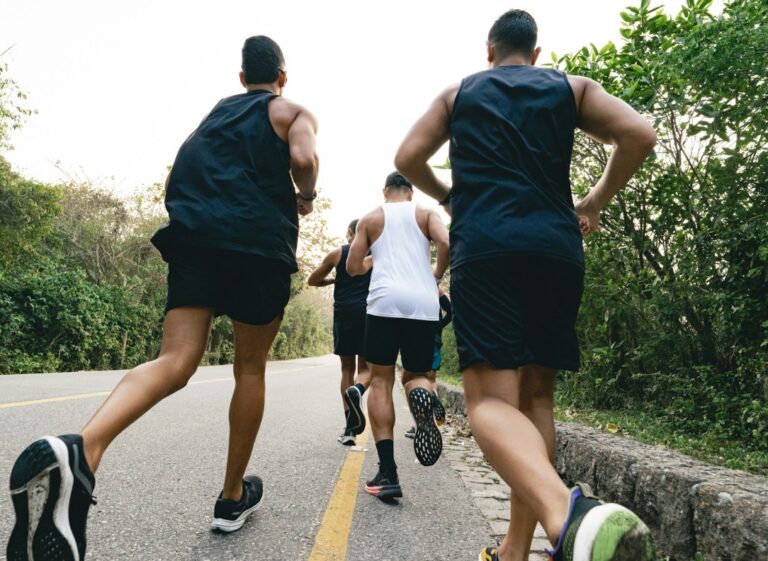
Jumping rope and jogging are impact training options you can do without a gym. As the style implies, impact training involves mechanical force through the bones via gravity. Literally, jumping or the impact of each stride during a jog, when performed properly, is extremely effective for increasing bone mineral density.
The Takeaway
Consistent resistance training involving axial-loading exercises can improve your bone mineral density. It also depends on getting enough calcium and vitamin D — the raw materials for bone — though you should consult a medical expert before starting any supplementation protocol.
Bottom Line
A third of women or a fifth of men over 50 will break a bone due to osteoporosis in their lifetime, but resistance training is an actionable preventive measure you can take to limit its potential impact on your daily life.
Research strongly supports resistance training for improving bone density, but if you have questions about a training routine, consult your doctor and a fitness professional who can curate a program specific to you.