Can Blue Light Glasses Actually Help With Sleep and Eye Strain?

Nubelson Fernandes/Unsplash
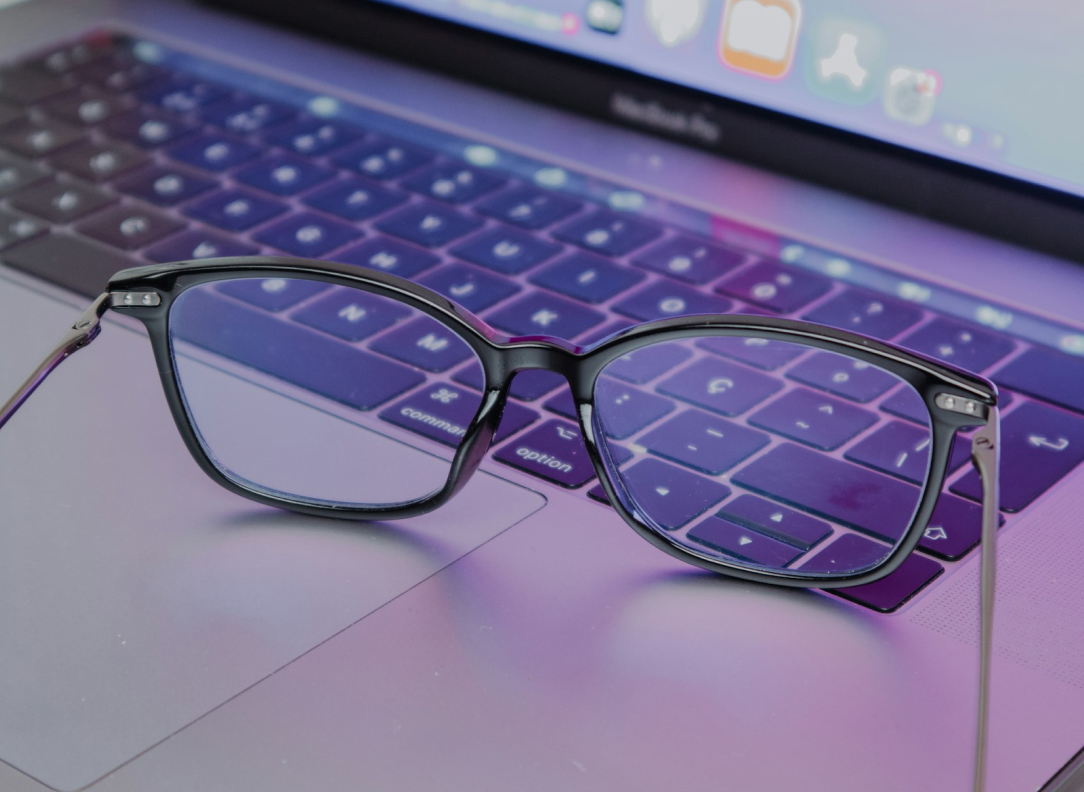
You Should Know: Blue light is often blamed for everything from tired eyes to headaches and sleepless nights. Blue light–blocking glasses seem like an easy fix, but research has found they may not live up to the hype.
Going Deeper: Not all blue light is bad — and not all of it comes from screens. The biggest source of blue light is the sun, and it plays a role in normal vision and helps regulate the body’s internal clock. But when we stare at a screen, we blink less and focus for too long on close-up objects, which dry out the cornea. Experts say these factors, rather than blue light itself, are more likely to explain digital eye strain and screen-related headaches.
Takeaway: When it comes to sleep, wearing the glasses before bed may help some people, but the evidence is still mixed. Evening light exposure is what disrupts melatonin production and affects sleep — and blue wavelengths are particularly effective at doing so. However, the brightness, timing, and amount of light exposure also matter.
Bottom Line: Taking regular screen breaks, not sitting too close to screens, and dimming them and other lights at night are practical ways to reduce eye strain and improve sleep — and blue light–blocking glasses aren’t a proven substitute.