Working on Healing Your Inner Child? Try This Simple Tool

Nathan Nuyda/Unsplash
Move It, Move On: Exercise can’t undo difficult experiences from childhood, but new research suggests staying physically active may help the brain adapt to their long-term effects. A June 2026 study looked at adults with histories of adverse childhood experiences — stressful or traumatic events occurring before age 18 — and found that higher lifetime physical activity was associated with healthier patterns of connectivity in brain regions involved in stress and emotional regulation.
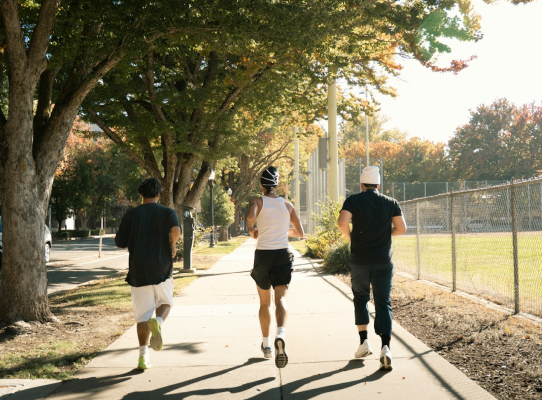
How to Do It: The researchers looked at overall lifetime activity rather than prescribing a specific workout, so the practical takeaway is to build movement you can stick with into your routine. Think brisk walking, running, cycling, swimming, strength training, or recreational sports — whatever helps you stay consistently active over time.
The Benefits: Among less-active participants, greater childhood adversity was linked with weaker connectivity in several brain networks. That pattern was different among more-active adults, suggesting exercise could be one modifiable factor that supports resilience. The study was small and observational, so it doesn’t prove exercise causes these brain changes — but it offers another good reason to keep moving.