Plants May Turn That Frown Upside Down
Domenico Adornato/Unsplash
With nearly 22 million adults reporting a major depressive episode in 2023, interest in accessible support from over-the-counter remedies is high — even though claims made about herbal remedies often lack scientific consensus. So a team of researchers examined 209 clinical trials on herbal and dietary supplements and organized the findings by evidence level: substantive (10+ trials), emerging (2-9), and single trial.
The Study: The systematic review, published in _Frontiers in Pharmacology, _examined herbal and dietary supplements with most studies focused on omega-3s, St. John’s wort, saffron, probiotics, and vitamin D.
What They Found:
– Omega-3s: More trials reported no benefit than a benefit vs. placebo.
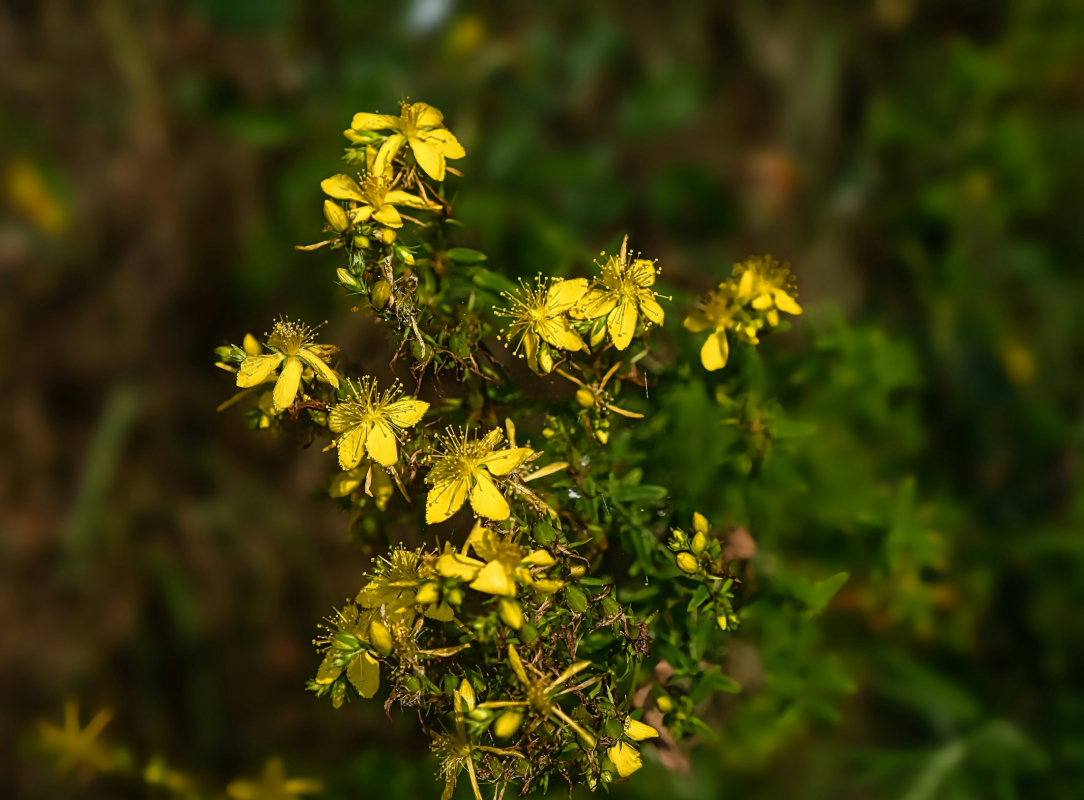
– St. John’s wort and saffron: More trials showed a benefit than showed no effect vs. placebo, with effects often similar to prescription antidepressants in head-to-head trials.
– Probiotics and vitamin D: More likely to reduce depressive symptoms than placebo, though results vary by context and design.
– Promising but limited: Folic acid, lavender, zinc, tryptophan, rhodiola, lemon balm.
The Takeaway: Some over-the-counter remedies show promise. But many others are mixed at best. The quality of the evidence and the dosages used varied widely, so “natural” doesn’t automatically mean “effective.”
Keep in Mind: Those experiencing depressive episodes should speak with a clinician before taking any supplements, as many can interact with common medications. Supplements aren’t FDA-approved like drugs. If you choose to use them, look for third-party-tested products.
More in Mindfulness

A Flow State Can Boost Focus & Ease Stress. Here’s How to Find Yours
 Mindfulness
Somatic Therapy Is on the Rise. Can It Really Help With Trauma?
Mindfulness 
How To Use This Neuroscience Principle To Rewire Negative Thoughts
Mindfulness 
The Science-Based Way to Set Goals You’ll Actually Stick With
Mindfulness