
What Is Cortisol Face? The Truth — and Misconceptions — Behind this Social-Media Trend

A puffy face isn’t proof your cortisol is high, but there’s some truth to the connection.
It’s tough to scroll TikTok these days without getting hit with the word “cortisol,” whether it’s a video talking about “cortisol-triggering” foods, “cortisol belly,” or even “cortisol face.”
Like most other internet cortisol claims, cortisol face isn’t an official medical term or diagnosis, but a trending term that gained traction on social media. It does exist, though — to a certain degree. Keep reading to learn what the science says about cortisol face, including what it is, what else can cause facial puffiness, and when to see a doctor.
TL;DR
Cortisol face is a social-media term for a rounded, full, or puffy face blamed on high levels of cortisol, the body’s main stress hormone. Prolonged exposure to excess cortisol can cause a similar appearance called “moon face.” That said, cortisol-related moon face generally occurs as part of Cushing syndrome — most often because of glucocorticoid medication use — rather than everyday stress.
Key Takeaways
- “Cortisol face” is a popular internet term, but not a medical term or diagnosis.
- Prolonged exposure to excess cortisol or cortisol-like medications can cause facial rounding known as “moon face,” but it’s usually part of Cushing syndrome — not everyday stress.
- Facial puffiness can also be caused by more everyday triggers, including salty foods, alcohol, sleep, fluid retention, or hormonal changes.
- Sudden or persistent facial changes — especially alongside other symptoms — warrant a doctor’s visit.
What “Cortisol Face” Actually Means
Cortisol face is a popular internet term that refers to a puffy, rounded face attributed to high levels of cortisol, the body’s principal stress hormone. It isn’t a medical term or diagnosis. However, in medicine, healthcare professionals do use the terms “moon facies” or “moon face” to describe a similar phenomenon: a rounded, puffy face, often with fat deposits in the temples, cheeks, and under the chin.
“The appearance of a puffy face that fluctuates throughout the day is unlikely a source of concern. However, a persistently bloated face may be part of a group of symptoms that suggests underlying cortisol dysregulation.”
So does cortisol cause face puffiness? Although cortisol face isn’t a legitimate medical term, there’s some truth behind the idea; prolonged exposure to excess cortisol or cortisol-like medications can cause moon facies. The part most people get wrong, however, is that this isn’t an expected result of ordinary, everyday stress. Instead, it generally occurs as part of Cushing syndrome. Cushing syndrome is most commonly caused by long-term high-dose use of glucocorticoid medications, such as prednisone, though Cushing syndrome can also develop in rare cases from pituitary or adrenal tumors.
In some cases, people can have symptoms and cortisol test results that resemble Cushing syndrome without having the condition itself. Sometimes referred to as “pseudo-Cushing syndrome,” this can happen from sustained or intermittent activation of the hypothalamic-pituitary-adrenal (HPA) axis, which regulates your body’s stress response.
Potential triggers or associated conditions include alcohol use disorder, pregnancy, obstructive sleep apnea, chronic kidney disease, poorly controlled diabetes, eating disorders, intense chronic exercise without adequate calorie intake, and neuropsychiatric disorders such as major depression, anxiety, and panic disorder. In these cases, some people may develop a rounder face, but the most distinctive symptoms of Cushing syndrome are usually less common.
A rounder or puffier face alone doesn’t necessarily indicate excessively high cortisol, but if you have multiple symptoms of cortisol excess — including truncal obesity (weight gain around the midsection with relatively thinner limbs), increased fat at the base of the neck, easy bruising, wide purple stretch marks, increased acne and hair growth, or muscle weakness — it’s a good idea to talk to a healthcare provider.
Cortisol Face vs. Normal Puffiness: What Else Causes It
While it’s possible for high cortisol levels to cause a puffy or rounded face, it’s far from the only cause. These other common culprits can also contribute to face puffiness or swelling:
- Weight gain. If you’ve gained weight, it’s common for some of that fat to accumulate in your face and neck. In fact, Lai notes weight gain is the most likely reason that a person would have a persistent appearance of a puffy face.
- Crying. Crying can cause lingering puffiness around your eyes and face, especially before bed.
- Allergies. Allergies to dust, pollen, or pets can trigger puffiness in the face and eyes.
- Diet. Alcohol and salty foods, in particular, can cause water retention and make your face appear puffy.
- Poor sleep. A poor night of sleep or sleep deprivation can cause puffy eyes.
- Hormonal changes. Hormonal fluctuations during the menstrual cycle can cause temporary, mild fluid retention.
- Hypothyroidism. Hypothyroidism (an underactive thyroid gland) can cause puffy eyes and face, among other symptoms, including drooping eyelids, dull facial expressions, hoarse voice, slow speech, fatigue, constipation, and dry, coarse hair and skin.
- Certain medications. Corticosteroids, ACE inhibitors, and other medications can cause facial fat redistribution or swelling for different reasons.
How to Reduce Everyday Facial Puffiness
Step away from the “cortisol-reducing” supplements being pushed on TikTok. Unless a healthcare provider has evaluated you and diagnosed Cushing syndrome or another form of significant excess cortisol, you should focus your efforts on determining which of the above causes might be contributing and managing your facial puffiness accordingly. These strategies can help:
- Use a cold compress, such as a washcloth soaked in cold water, over your face for 10-15 minutes to help with inflammation and swelling.
- Elevate your head to keep extra fluid from pooling in your face.
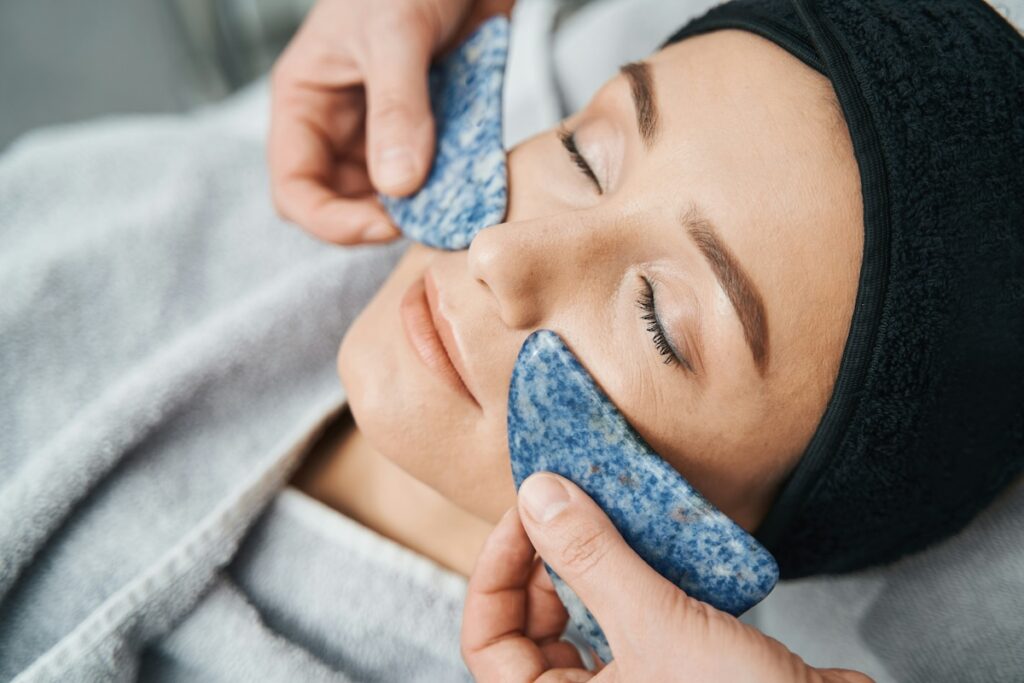
- Give yourself a gentle massage, using lymphatic drainage techniques, which may help reduce fluid-related puffiness.
- Stay hydrated, especially if alcohol, heat, or other dehydration may be contributing.
- Watch alcohol and salt intake. The American Heart Association recommends no more than 2,300 mg of sodium per day and considers 1,500 mg an optimal intake for most adults.
- Get enough sleep (7–9 hours) whenever possible, to not only minimize temporary swelling but also reduce risk of weight gain and stress.
- Talk to your doctor. If you think allergies, a medication change, or another health condition might be to blame — or you have other more severe symptoms (see below) — talk to your doctor about potential diagnosis and treatment.
When to See a Doctor
Not all facial swelling is something to worry about. However, you’ll want to contact your healthcare provider if you notice any of these signs or symptoms:
- Facial swelling that’s sudden, painful, or severe
- Facial swelling that lasts a while, particularly if it is getting worse over time
- Fever, tenderness, or redness
- Easy bruising or wide purple stretch marks
- A fatty hump between the shoulders
- Rapid weight gain around the midsection
If you’re pregnant and experience sudden swelling of the face or hands — especially with other symptoms such as headaches, vision changes, or upper abdominal pain — you should seek prompt medical attention.
Your doctor can determine if cortisol testing makes sense, evaluate other possible causes, and recommend the right treatment.
Frequently Asked Questions
Sort of. The term “cortisol face” isn’t a diagnosis or used in medical settings, but excessively high cortisol levels can cause a rounded, puffy face. Doctors may refer to this symptom as “moon facies” or “moon face.”
To get rid of cortisol face, you need to address the underlying cause, which could include Cushing syndrome, corticosteroid medication use, weight gain, fluid retention, or something else. If you have other symptoms besides facial changes, it’s a good idea to consult a medical provider to figure out the root cause and treat it accordingly.
Cortisol face — known as “moon facies” or “moon face” in medical settings when it’s caused by excessive cortisol levels — describes a rounded, full, and puffy face, usually with additional fat in the cheeks, near the temples, and under the chin.
Not exactly. “Cortisol face” is an informal term used for facial puffiness blamed on cortisol. “Moon facies” (often called “moon face”) is a clinical description of a round, full face, classically associated with Cushing syndrome or long-term corticosteroid use, though sometimes used for a similar appearance caused by hypothyroidism.
Bottom Line on Cortisol Face
Cortisol face — and some of the things people claim about it online — may not be exactly legitimate, but there is a genuine link between excessively high cortisol levels and facial shape changes. That said, there’s a big difference between clinically elevated cortisol and the fluctuations that occur from everyday stress. If you’re experiencing sudden or persistent face changes, or have multiple symptoms that suggest something deeper is going on, talk to your doctor. And if you’re struggling with stress (regardless of how it’s showing up on your face), consider these mood boosting tips.
Experts Who Contributed
- Lauren Mazzo, CPT, wrote this article.
- Lauren Keary, NASM-CNC, reviewed this article for accuracy.
- Ryner Lai, MBBS, contributed expertise to and reviewed this article for accuracy.