5 Healthy Drinks Besides Water, Backed By Research

Five beverages that hydrate and pack a little extra kick.
Water is still the baseline for staying hydrated, and your body needs it around the clock. But when people ask about the healthiest drinks besides water, research flags a short list of beverages that hydrate and add an extra boost of something beneficial, like antioxidants or probiotics. The downside of these drinks is usually added sugar, so how you choose matters as much as the type of drink you choose.
What You Should Know About Hydrating Beyond Water
“Just drink water” is classic wellness advice you’ve likely heard countless times throughout your life from doctors, your parents, coaches, etc. But there are other beverages that add to your daily fluid intake and also carry nutrients plain water simply doesn’t. The difference between a smart choice and a bottle of sugar typically comes down to preparation — black coffee vs. a creamy, syrup-filled latte, or an unsweetened electrolyte powder vs. a heavily-sweetened sports drink.
The 5 Healthy Drinks Worth Adding to Your Rotation
- Coconut water: The liquid inside young green coconuts is naturally high in potassium, plus some sodium and magnesium — the electrolytes your body relies on to hold onto fluid. Research putting it up against sports drinks found it rehydrates about as well after moderate exercise, with less sodium and no artificial dyes. It’s lightly sweet on its own, so skip the versions with added sugar and make sure the label says 100% coconut water.
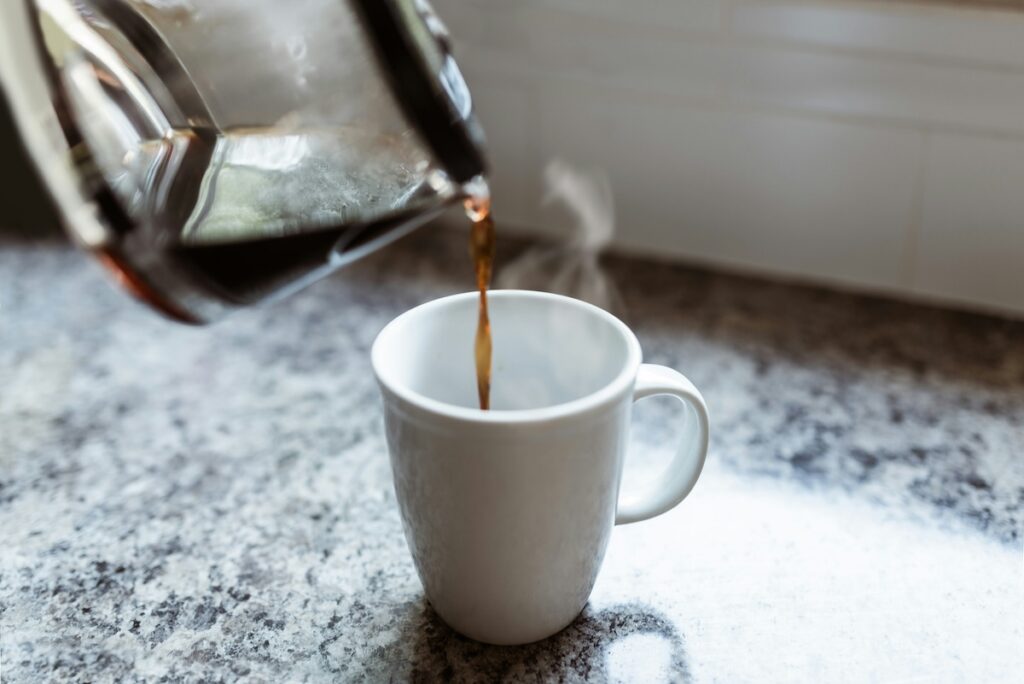
- Black coffee: Your morning cup is one of the most studied drinks on the planet, and the research keeps landing in its favor. Large cohort studies following people for years tie a few cups a day to lower all-cause mortality and reduced heart disease risk. A review of coffee and cardiometabolic health credits its antioxidants with helping steady blood sugar and tamp down inflammation. The catch is what you pour in — cream and syrup turn a near-zero-calorie drink into dessert, so keep it black or close to it.
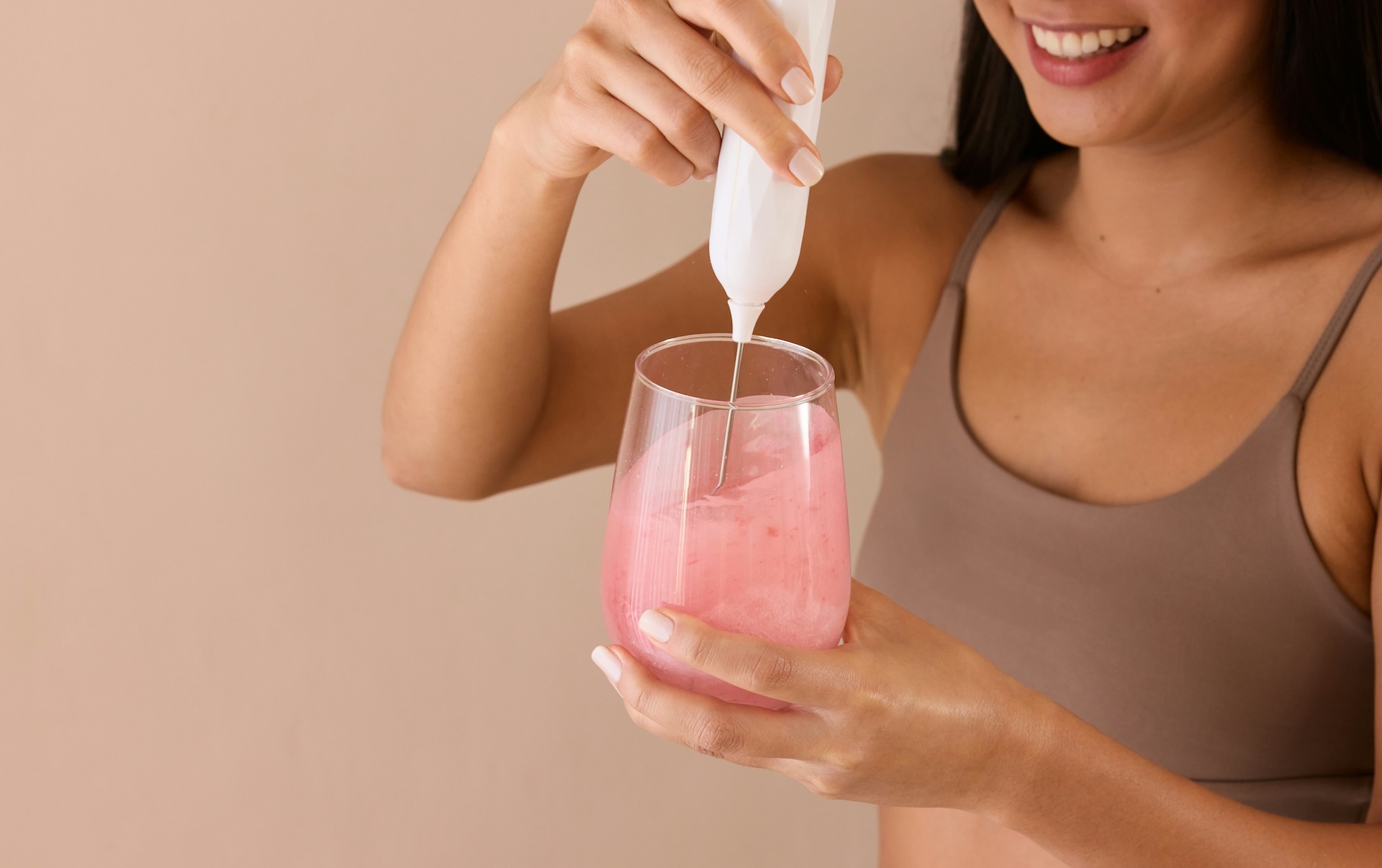
- Electrolyte drink mixes: These powders stir into water and add sodium, potassium, magnesium, and chloride to your glass, which are all minerals you sweat out. The idea behind them is that staying hydrated depends on the balance of fluids and electrolytes (not just water), which matters most when you’re working out or out in the heat. There are plenty of unsweetened electrolyte powders on the market, which are all far better for you than your typical sports drink that’s packed with sugar.
- Tea: Green and black tea leaves are loaded with polyphenols, antioxidant plant compounds tied to better heart health. Tea mixes caffeine and L-theanine, an amino acid that takes the jittery edge off caffeine and leaves you with steadier focus. In one controlled trial, that combo improved accuracy and alertness better than caffeine on its own. Herbal teas have varying benefits depending on the plant — peppermint tends to settle digestion, hibiscus can nudge blood pressure down, etc.
- Tart cherry juice: Montmorency cherries are one of the few food sources of melatonin, the hormone that runs your sleep-wake clock. In a small study, tart cherry juice raised melatonin levels, and improved how long and how well people slept. Even unsweetened juice is concentrated, so a small evening pour (4 to 8 ounces) beats drinking it by the glass.
The Takeaway
Research suggests these beverages can hydrate you while adding nutrients and electrolytes that water alone just won’t. A balanced plan is to keep water as your main drink of choice and mix in a couple of these depending on each day — maybe coffee or tea in the morning, an electrolyte mix after a workout, etc. Watch for added sugar and be aware of your own caffeine tolerance.
Bottom Line
These drinks genuinely hydrate and bring extra benefits, though the specific perks depend on the drink you choose. The “healthiest” ones have minimal added sugar and are well-portioned, but several come with more caffeine than some may want. Think of these drinks as enjoyable additions that work alongside your water bottle rather than replace it entirely.