Why Iodine Deficiencies May Be Making a Comeback

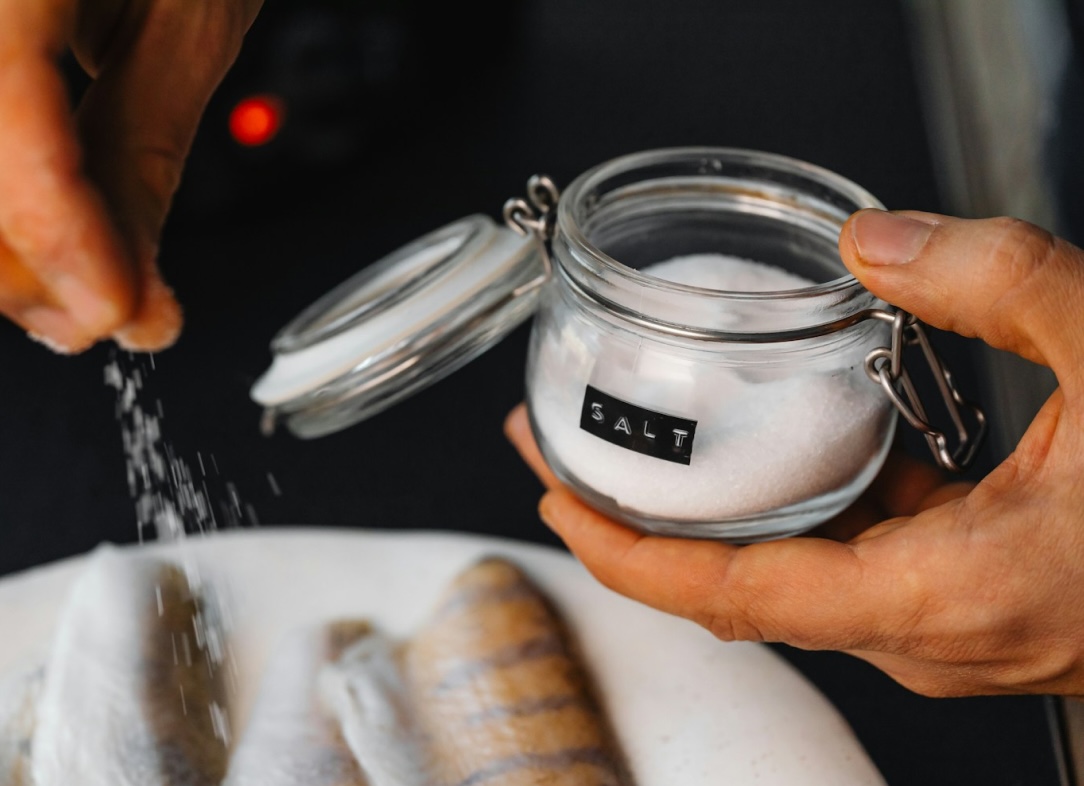
Karolina Grabowska/Unsplash
The Trend: We hear plenty about people not getting enough iron or vitamin B12, but iodine deficiencies are far less common — or at least they were. Iodine is known as the “building block” of thyroid hormones, which are crucial for regulating metabolism, growth, heart rate, and body temperature — and thanks to a successful public health campaign in the 1920s to iodize table salt, iodine deficiency was virtually eradicated. But now, deficiencies are beginning to rise again among certain groups who may not be getting as much iodine from their diets as they once did.
What People Are Saying: People are still eating plenty of salt, but they’re opting for fancier, non-iodized types like pink Himalayan salt, sea salt, and kosher salt, among others. Iodine is also naturally present in eggs, dairy, and seafood, so people who eat plant-based diets are also more susceptible to a deficiency.
What to Know: It’s especially important for kids and for pregnant and breastfeeding women to get enough iodine in their diets, as not enough can lead to developmental impairments to children’s brains and nervous systems. But experts caution that the solution is not to load up on salt — generally, we should be eating less salt overall, but the salt we do eat should be iodized.