The Hidden Cost of a Cozy Fire

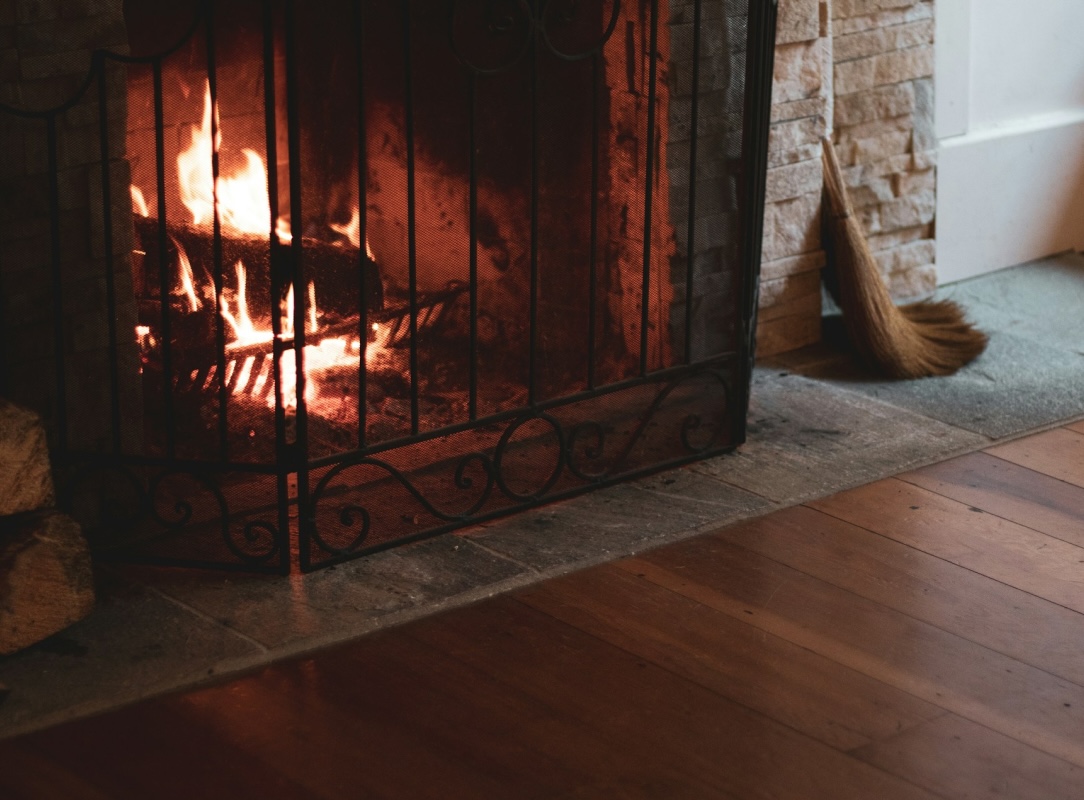
Greg Rosenke/Unsplash
Snap, Crackle…Pollution?: When much of the country is shivering in arctic temperatures — and Valentine’s Day right around the corner — cozying up in front of a crackling fire sounds pretty perfect. But that warmth comes with a cost. New research from Northwestern University suggests that burning wood indoors can release dangerous pollutants and is a major contributor to wintertime air pollution.
The Study: Researchers used an atmospheric model to simulate how pollution is generated and moves across the United States. They divided the country into a grid, estimating pollution levels and movement within each one. The model found that smoke from residential wood burning is responsible for roughly 22% — nearly a quarter — of wintertime fine particulate matter (PM2.5) in the U.S.
The Takeaway: Perhaps surprisingly, urban areas were most affected. Smaller living spaces, higher population density, and existing pollution levels mean wood smoke lingers longer and concentrates more intensely. As a result, people of color were disproportionately exposed. Long-term exposure to PM2.5 is linked to higher risks of cardiovascular disease and early death — and pollution from residential wood burning is associated with an estimated 8,600 premature deaths each year.
Keep in Mind: This study didn’t track individual health outcomes directly. Still, decades of research show that PM2.5 exposure is a major risk factor for cardiovascular and respiratory diseases.