Are There Microplastics in Our Dental Products?

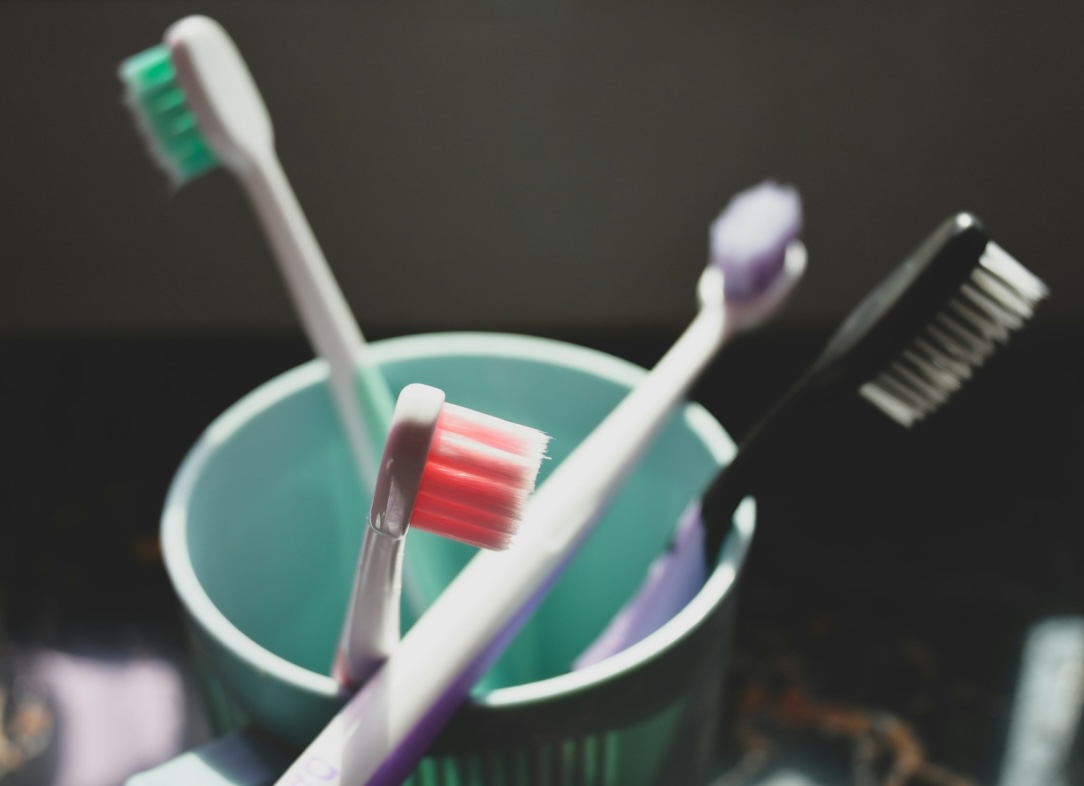
Peng Liu/Unsplash
You Should Know: If you’re worried about microplastics, you might already be taking steps to limit exposure by using natural materials (like glass, metal, or wood) instead of plastic whenever possible. But there’s a category of essential items you might not have thought to worry about: dental products.
Going Deeper: Toothbrushes and floss are usually made from plastic, and the friction created when we use them causes tiny plastic particles to shed in our mouths. Toothpaste tubes and mouthwash bottles are also made from plastic, as are dentures, retainers, whitening strips, and all of their packaging. Some research suggests these tiny particles could disrupt the mouth’s microbiome.
Takeaway: It’s not clear how many microplastic particles are released when we brush our teeth, and whether they lead to real-life health problems. We typically spit and rinse during our dental routines, so it’s also not clear how much we’re ingesting. But that’s also part of the problem: Even if microplastics don’t end up in our mouths, they do make their way down the drain and, later, into the water supply.
Bottom Line: Completely avoiding microplastics in dental products is impossible, but experts say they’re more helpful than harmful. (Obviously, not using them isn’t smart.) Still, some plastic-free versions are available.