Could Eating Less Ultra-Processed Food Help Your Mood?

Estera/Unsplash
You Should Know: Could changing what you eat change how you feel mentally? A new study published in JAMA Psychiatry suggests it might. Researchers found that people with depression who cut their ultra-processed food (UPF) intake by more than 85% experienced improvements in depressive symptoms over four weeks. Anxiety symptoms also eased modestly.
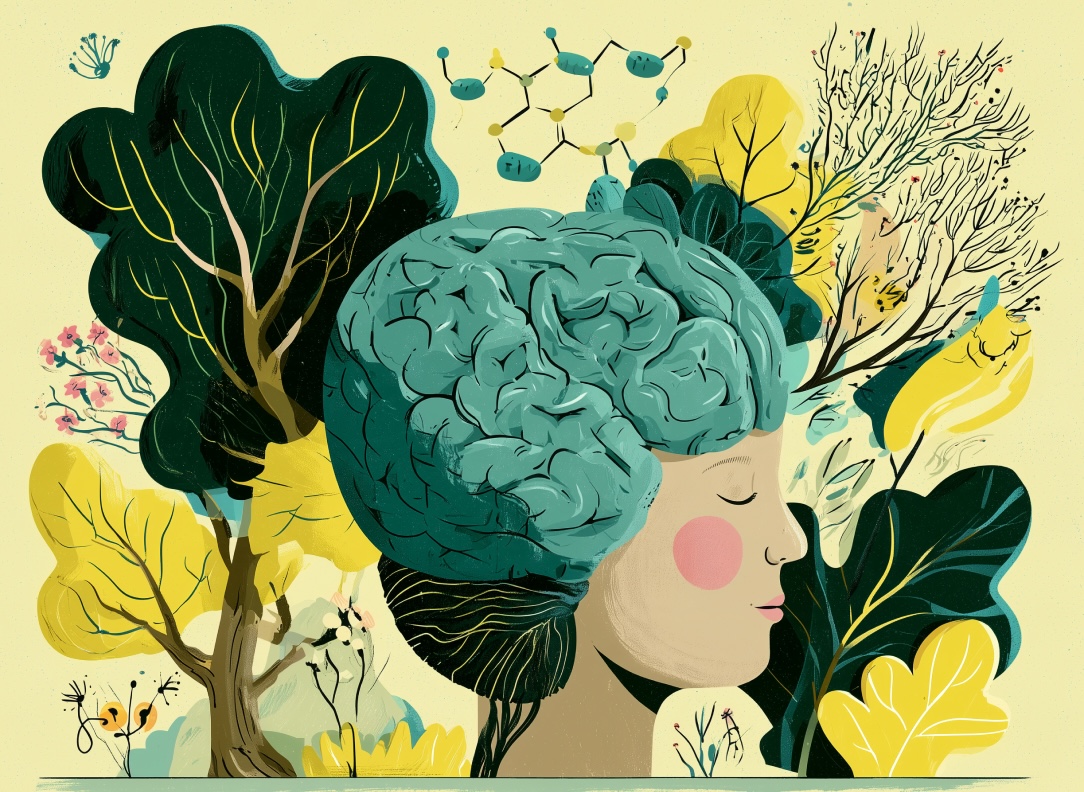
Going Deeper: Why might food affect mood? Researchers suspect several overlapping mechanisms. UPF-heavy diets can displace foods rich in fiber, vitamins, minerals, and healthy fats. They may also affect the gut microbiome and intestinal barrier, potentially promoting chronic, low-grade inflammation.
Because the gut and brain communicate through neural, hormonal, and immune pathways, these changes could influence brain function and mood. Altered blood-sugar regulation and metabolic health may also play a role. A scoping review in Frontiers in Nutrition explored these potential links, concluding that there’s a “strong association between UPF consumption, disrupted lipid metabolism and increased risk of mental disorder.”
Takeaway: What you put in your body affects how it operates, and that includes the mind.
Bottom Line: Eating fewer ultra-processed foods and more nutrient-rich options may support mental health, but it’s not a substitute for depression treatment. Start with manageable swaps to avoid adopting an all-or-nothing mindset around food.