Are You Brushing Your Teeth Too Hard?

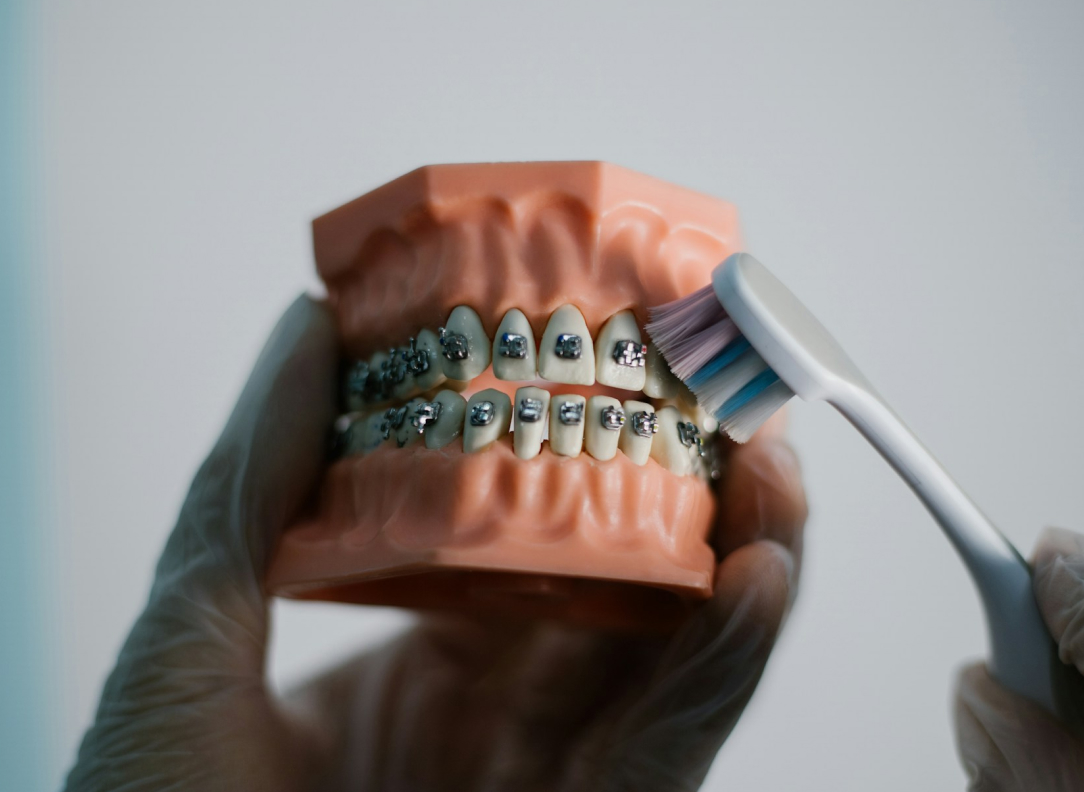
Eduardo Ramos/Unsplash
Easy Does It: More scrubbing doesn’t mean a cleaner smile. In fact, going too hard with your toothbrush can irritate your gums and contribute to gum recession and tooth sensitivity. And because oral health is increasingly linked with overall health, your brushing technique deserves a little attention.
How to Do It: Start by checking your toothbrush. If the bristles are flattened, frayed or splayed, you may be pressing too hard. If you’re due for a new brush (you probably are), choose soft bristles. And when it’s time to brush, use gentle, short strokes along the gumline. Resist the urge to aggressively saw back and forth.
Not sure if you’re doing it right? Try this: Hold your toothbrush with just your fingertips rather than gripping it tightly. You should be cleaning your teeth, not trying to sand them down. If brushing causes bleeding, persistent soreness or sensitivity to hot and cold, mention it to your dentist.
The Benefits: The goal is effective plaque removal without damaging your gums or enamel. The ADA recommends brushing twice a day for two minutes with fluoride toothpaste and gentle pressure. Research also suggests that higher brushing forces can expose more dentinal tubules, which can contribute to sensitivity.