Your Fitness Tracker Isn’t Very Accurate, Actually

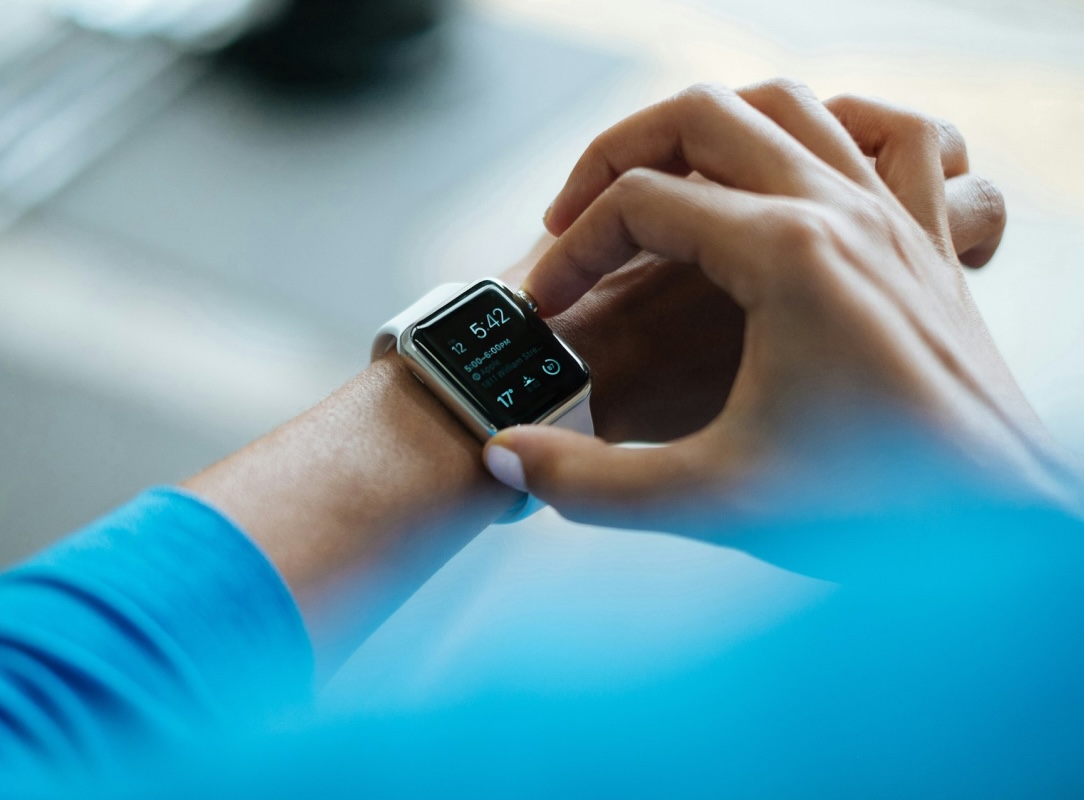
Luke Chesser/Unsplash
You Should Know: Whether it’s your Apple Watch, Fitbit, or the treadmill screen at your gym, that “calories burned” number is more an estimate than fact. Some studies show a 20% margin of error in counting calories. At worst? More than 93%. Yikes!
Going Deeper: You can input certain data to make your tracker more accurate, like your age, weight, height, sex, and body fat percentage if you know it. Still, what these trackers can’t capture are individual variations in metabolism or fitness level, not to mention environmental factors that affect calorie burn, like temperature and humidity. Even with constant improvement in accuracy due to new technology, wearables are still, at best, only decent at estimating energy expenditure.
Takeaway: Don’t treat those calorie numbers as gospel. Use them to spot patterns — how your expenditure changes over time or with different workouts — rather than as precise measurements.
Bottom Line: Your device can be great for motivation and accountability, but not for calorie math. If weight management is your focus, track progress through trends. The real value of wearables lies in consistency, not calorie accuracy.