Is Your Phone Truly Wrecking Your Sleep?

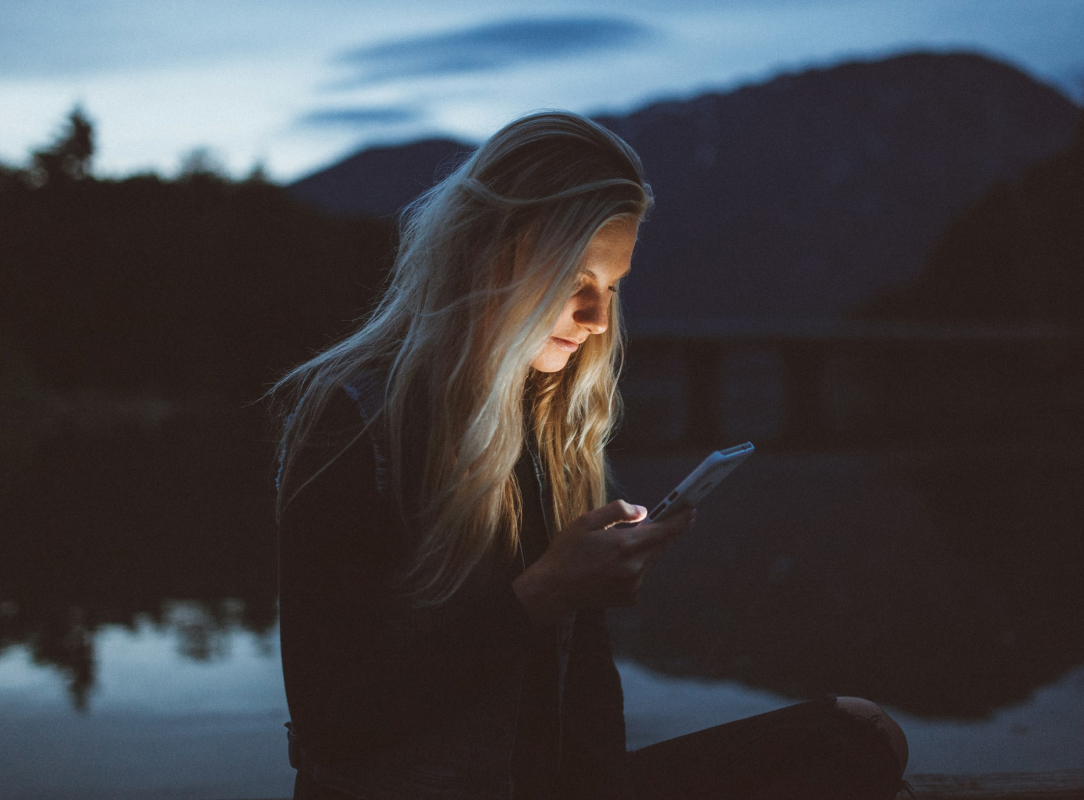
Becca Tapert/Unsplash
You Should Know: Blue-light blocking this and that — glasses, face cream, phone filters, computer screen protectors — surged in popularity in the mid and late 2010s when a wave of clinical research linked increased blue light exposure to poor sleep quality and that removing exposure could improve sleep. Apple introduced Night Shift mode in iOS (2016), and Google rolled out Night Light on Android soon after, making the average consumer aware of the “blue light problem.”
Going Deeper: Results from that mid-2010s wave of research are very mixed. Much of the benefit posed by blue-light blocking gadgets is just clever marketing: Real evidence points to small-to-moderate improvements in some contexts but is not uniformly strong. Plus, many don’t control for individual sensitivities to light; time of exposure; and other factors that affect sleep, like diet, stress, and daytime sunlight exposure. Additionally, newer research suggests that what you’re actually doing with the screen — like scrolling Instagram, playing video games, or watching TV — may have a bigger impact00558-X/fulltext) than the light exposure itself.
Takeaway: The relationship between light and sleep is complex. Screen exposure isn’t the only factor. If you consistently fall asleep easily, stay asleep through the night, and wake up refreshed, there’s little reason to change your bedtime habits, whether social media calls them “bad” or not.
Bottom line: If you’re well-rested, you’re doing fine. If you feel that your screentime habits negatively affect your sleep, it’s worth making changes.